
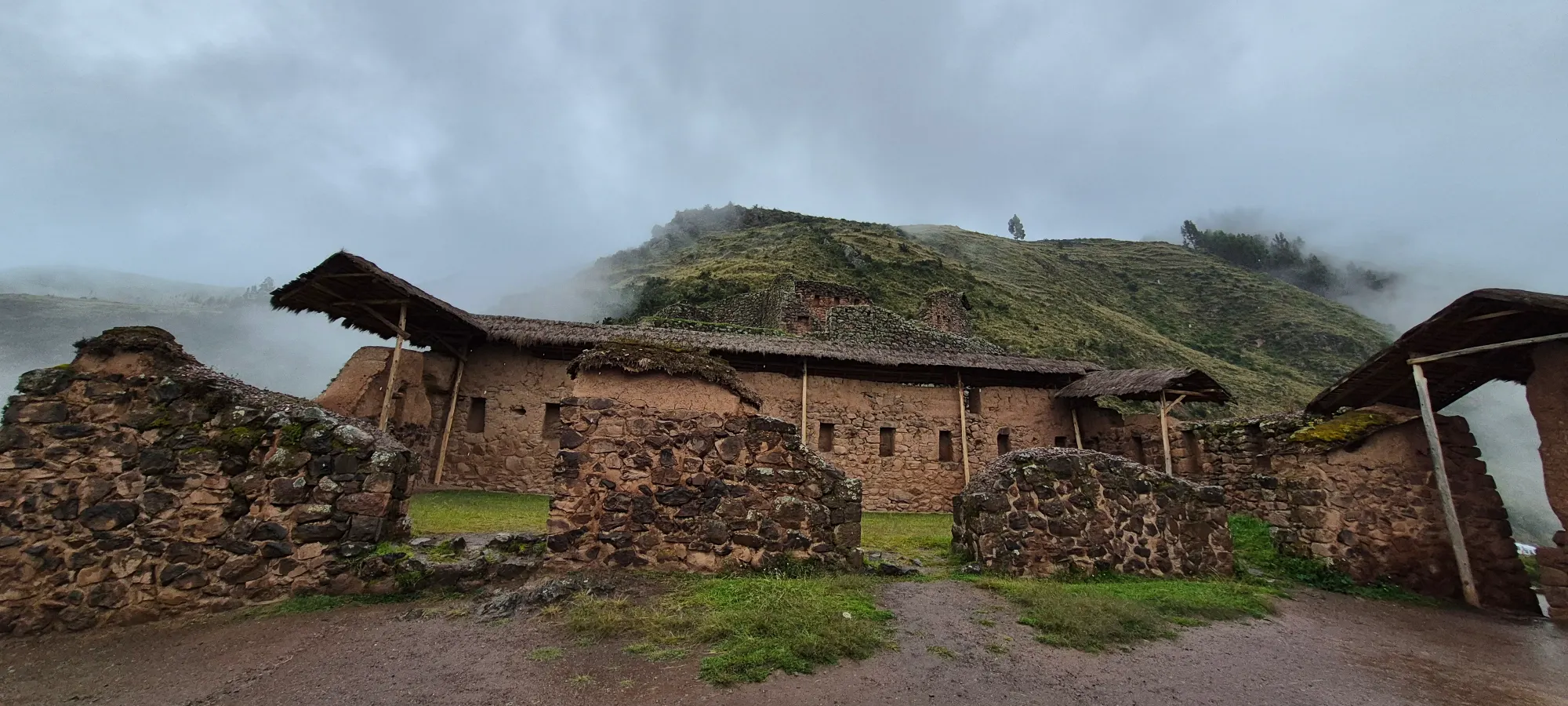
One of the biggest advantages of visiting the Sacred Valley is its altitude. While many travelers worry about altitude sickness when arriving in Peru, the Sacred Valley sits lower than Cusco, making it one of the best places to begin your journey through the Andes.
Many visitors choose to spend their first day exploring towns like Pisac, Urubamba, or Ollantaytambo before continuing to Machu Picchu. Besides offering spectacular landscapes and fascinating Inca history, the valley gives your body more time to adjust to the elevation.
If you’re wondering about the Sacred Valley altitude, whether you’ll experience altitude sickness, or how to prepare for your trip, this guide covers everything you need to know.
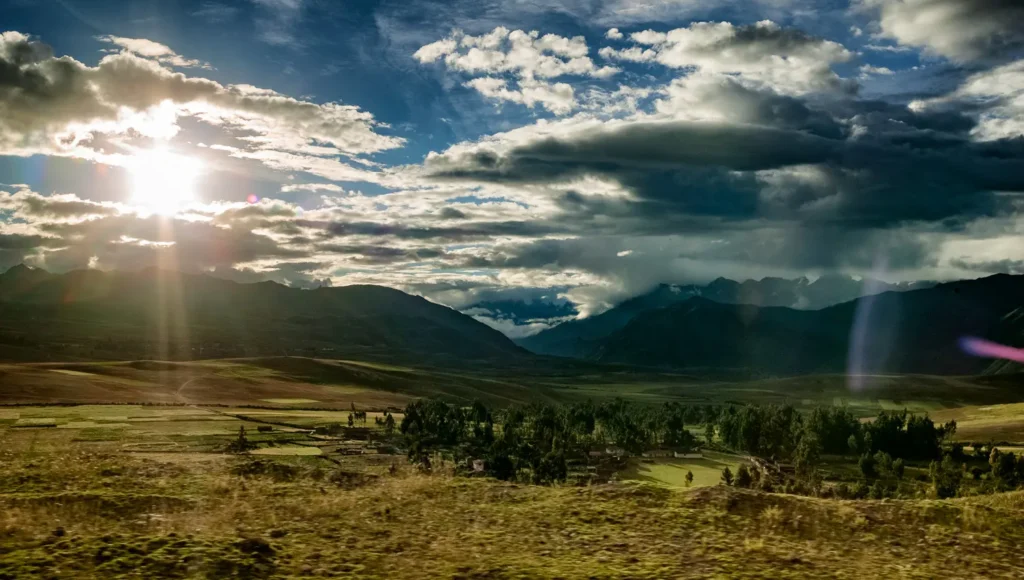
What Is the Altitude of the Sacred Valley?
The Sacred Valley stretches across several Andean towns, so its elevation varies depending on where you travel. However, most of the popular destinations are located between 2,800 and 3,000 meters (9,186–9,843 feet) above sea level.
Here are the approximate elevations of the main towns:
| Destination | Altitude |
|---|---|
| Pisac | 2,972 m (9,751 ft) |
| Urubamba | 2,871 m (9,419 ft) |
| Ollantaytambo | 2,792 m (9,160 ft) |
| Chinchero | 3,762 m (12,343 ft) |
Compared to Cusco, these lower elevations make the Sacred Valley a more comfortable destination for many first-time visitors.
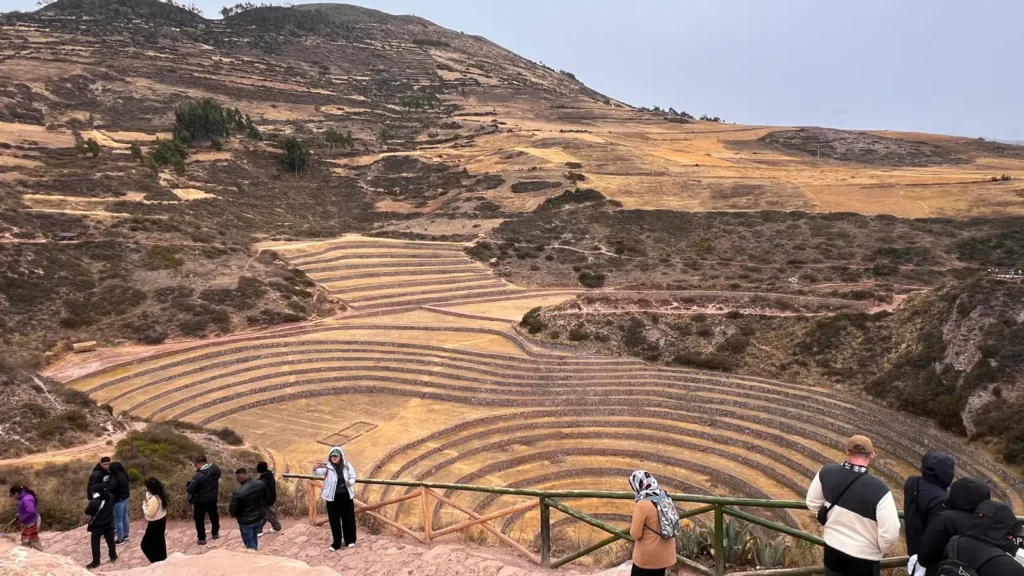
Is the Sacred Valley Lower Than Cusco?
Yes.
Cusco is located at approximately 3,400 meters (11,152 feet) above sea level, while much of the Sacred Valley lies several hundred meters lower.
Although the difference may seem small, many travelers notice they breathe more comfortably in the valley. This is why spending your first day in Urubamba or Ollantaytambo is often recommended before exploring higher-altitude destinations.
In addition, the valley generally enjoys slightly warmer daytime temperatures than Cusco, making sightseeing even more enjoyable.
Can You Get Altitude Sickness in the Sacred Valley?
Yes, but it is usually less severe than in Cusco.
Altitude sickness, also known as acute mountain sickness (AMS), can affect anyone regardless of age or fitness level. It happens because your body needs time to adjust to the lower oxygen levels at high elevations.
Common symptoms include:
- Mild headache.
- Fatigue.
- Shortness of breath.
- Nausea.
- Difficulty sleeping.
- Loss of appetite.
For most travelers, these symptoms are mild and improve naturally after resting, staying hydrated, and avoiding strenuous activity during the first day.
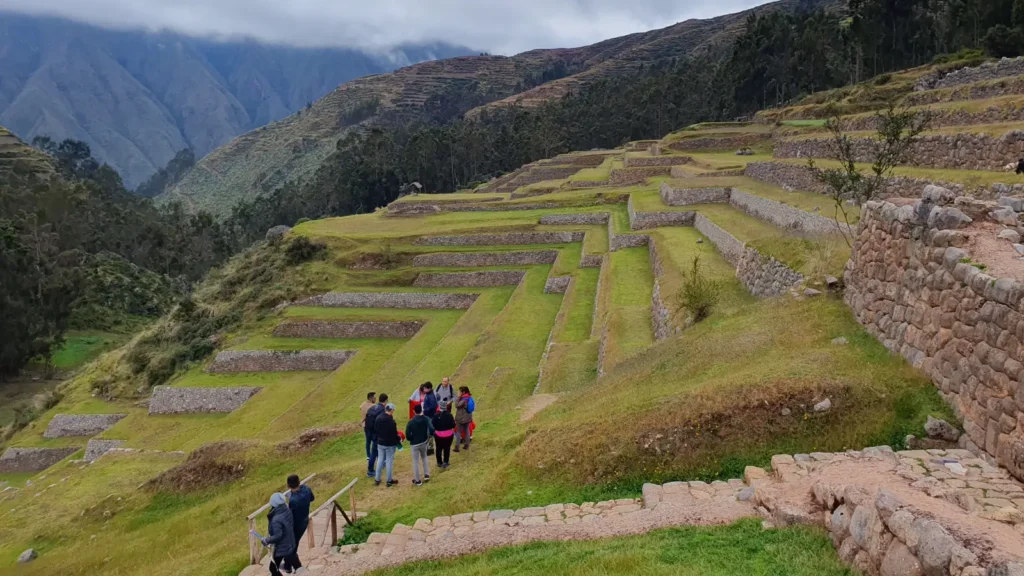
How to Prevent Altitude Sickness
The best way to enjoy the Sacred Valley is to give your body time to acclimatize.
Instead of rushing into demanding hikes or long walks, spend your first day exploring at a relaxed pace while drinking plenty of water and eating light meals.
These simple habits can significantly reduce the chances of altitude sickness.
We recommend:
- Drink plenty of water.
- Avoid alcohol during your first day.
- Eat light meals.
- Walk slowly.
- Get enough rest.
- Avoid intense physical activity immediately after arrival.
- Consult your doctor before traveling if you have heart or respiratory conditions.
Most visitors adapt within a day or two and continue their trip without any problems.
Is the Sacred Valley a Good Place to Acclimatize?
Absolutely.
Many travelers choose the Sacred Valley as their first destination after arriving in Peru because its lower elevation makes acclimatization easier.
Instead of spending the entire first day in Cusco, you can visit archaeological sites, traditional villages, and local markets while your body gradually adapts to the altitude.
This strategy also helps prepare you for destinations like Machu Picchu or high-altitude hikes later in your itinerary.
If you’re planning to explore the region, a Sacred Valley Full Day Tour is one of the easiest ways to visit the valley’s most important attractions while enjoying a comfortable and well-organized experience.
Travel Tips Before Visiting the Sacred Valley
Preparing for the altitude doesn’t require complicated planning, but a few precautions can make your trip much more enjoyable.
Before visiting the Sacred Valley:
- Stay hydrated throughout the day.
- Wear comfortable walking shoes.
- Use sunscreen, even on cloudy days.
- Dress in layers, as temperatures can change quickly.
- Take your time during your first few hours in the Andes.
Following these recommendations will help you enjoy the incredible landscapes without worrying about the altitude.
Frequently Asked Questions
What is the altitude of the Sacred Valley?
Most towns in the Sacred Valley are located between 2,800 and 3,000 meters (9,186–9,843 feet) above sea level.
Is the Sacred Valley lower than Cusco?
Yes. The Sacred Valley sits several hundred meters lower than Cusco, making it a popular place to acclimatize.
Can you get altitude sickness in the Sacred Valley?
Yes, although symptoms are usually milder than those experienced in Cusco.
Should I stay in the Sacred Valley before visiting Machu Picchu?
Many travelers do. Spending a night in Urubamba or Ollantaytambo can make the transition to higher-altitude destinations more comfortable.
Is Machu Picchu higher than the Sacred Valley?
No. Machu Picchu sits at approximately 2,430 meters (7,972 feet) above sea level, making it lower than most towns in the Sacred Valley.
Explore the Sacred Valley with Confidence
The Sacred Valley offers breathtaking scenery, fascinating Inca history, and a lower altitude than Cusco, making it one of the best places to begin your adventure in Peru.
With a little preparation and time to acclimatize, you’ll be ready to enjoy archaeological sites, charming Andean villages, and unforgettable landscapes.
If you’d like to discover the region with expert local guides, our Sacred Valley Full Day Tour is a great way to experience the highlights of the valley while traveling comfortably from Cusco.