
For many travelers, Machu Picchu is the reason they decide to visit Peru. However, what often surprises them most is everything they discover before getting there.
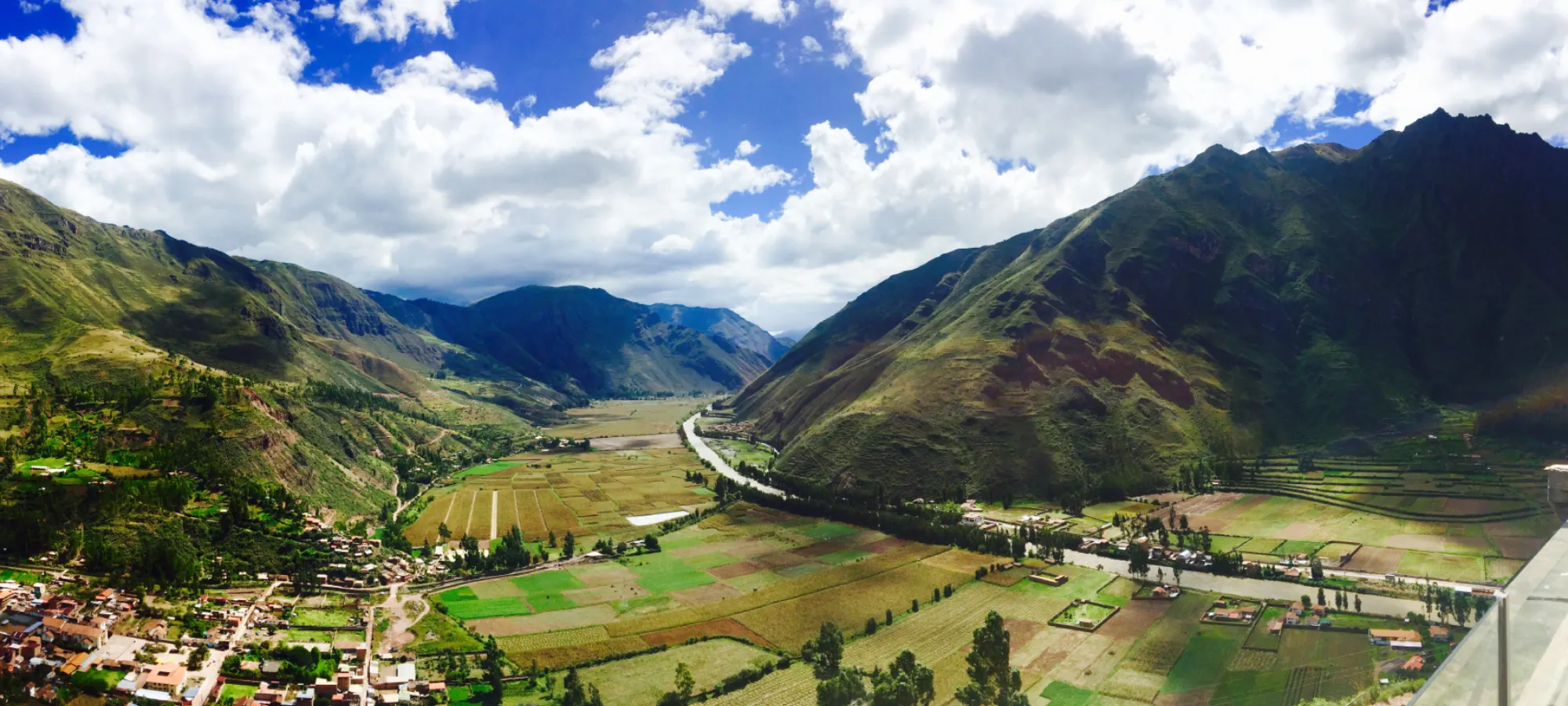
The Sacred Valley of the Incas is one of the most beautiful regions in the Peruvian Andes. Located between Cusco and Machu Picchu, it is home to ancient archaeological sites, traditional villages, mountain landscapes and some of the most memorable experiences in the country.
While many visitors only spend a few hours here, the Sacred Valley deserves much more attention. It offers a chance to slow down, explore beyond the usual tourist routes and better understand the world of the Incas.
If you are planning a trip to Cusco, this guide will help you decide what to see, how much time you need and why the Sacred Valley is often one of the highlights of a Peru itinerary.
What Is the Sacred Valley?
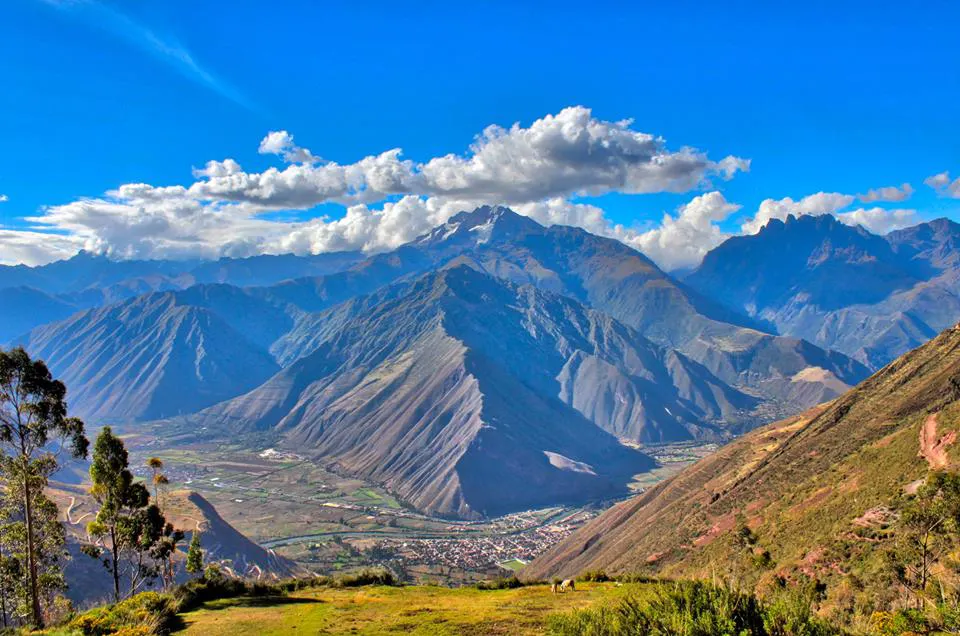
The Sacred Valley stretches between Cusco and Machu Picchu, following the course of the Urubamba River through a landscape of mountains, agricultural terraces and historic villages.
Centuries ago, the Incas chose this region because of its fertile land and favorable climate. As a result, they built important settlements, ceremonial centers and agricultural complexes throughout the valley.
Today, the Sacred Valley connects several of the most visited destinations near Cusco, making it an essential stop for travelers exploring the region.
Is the Sacred Valley Worth Visiting?
Absolutely.
Many travelers initially see the Sacred Valley as a stop on the way to Machu Picchu. However, after visiting, they often realize it is much more than that.
The region combines history, spectacular scenery and local traditions in a way that feels very different from larger cities. Instead of rushing from one attraction to another, visitors can enjoy a slower pace and experience a side of Peru that many people overlook.
In fact, some travelers end up enjoying the Sacred Valley even more than Cusco itself.
Places You Shouldn’t Miss in the Sacred Valley
One of the reasons the Sacred Valley is so popular is the variety of places you can visit in a relatively short distance.
Each destination offers something unique.
Pisac
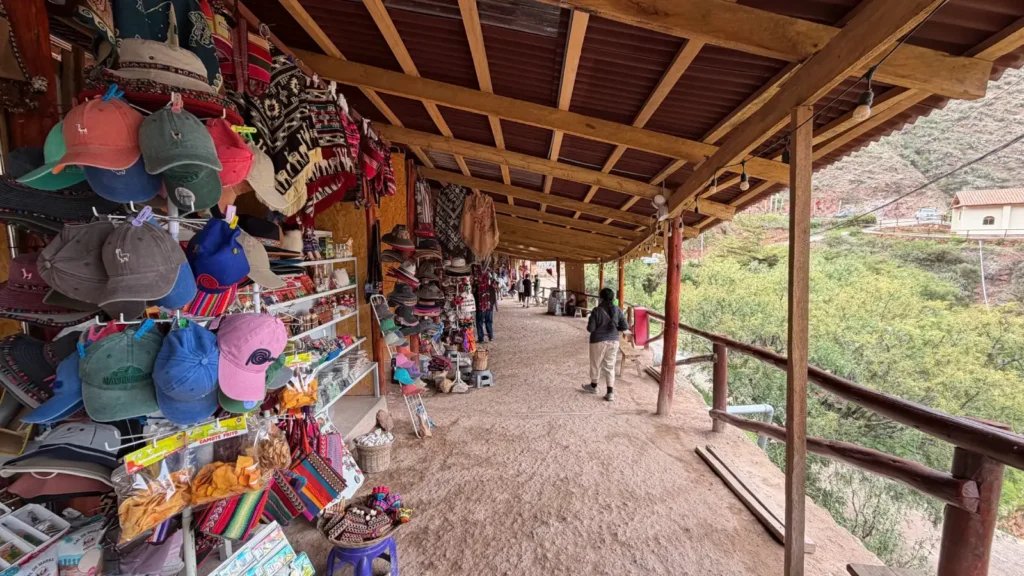
Pisac is known for its impressive archaeological site and colorful artisan market.
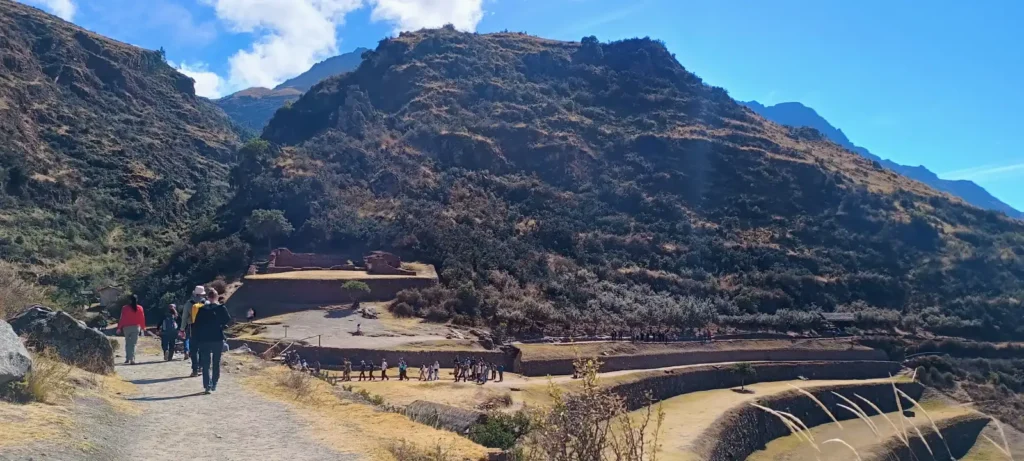
The ruins sit high above the valley and provide stunning panoramic views of the surrounding mountains. Walking through the terraces and stone structures offers a glimpse into how the Incas adapted to the landscape.
Meanwhile, the town below attracts visitors looking for local crafts, textiles and souvenirs.
Ollantaytambo
Ollantaytambo is often described as a living Inca town.
Unlike many historic sites, this village still preserves much of its original layout. Stone streets, water channels and traditional architecture make it one of the most interesting places to explore in the region.
It is also the main departure point for many trains heading to Machu Picchu.
Because of its atmosphere and location, many travelers choose to spend at least one night here.
Chinchero
Chinchero offers a different perspective on the Sacred Valley.
The village is known for its traditional weaving workshops, where local families continue techniques passed down through generations.
In addition, visitors can explore archaeological remains and enjoy some of the best mountain views in the region.
Maras Salt Mines
The Maras Salt Mines are among the most photographed attractions near Cusco.
Thousands of salt pools cover the mountainside, creating a landscape unlike anywhere else in Peru.
What makes the site even more interesting is that local families still harvest salt using traditional methods.
As a result, the Salt Mines are both a cultural attraction and a remarkable natural viewpoint.
Moray
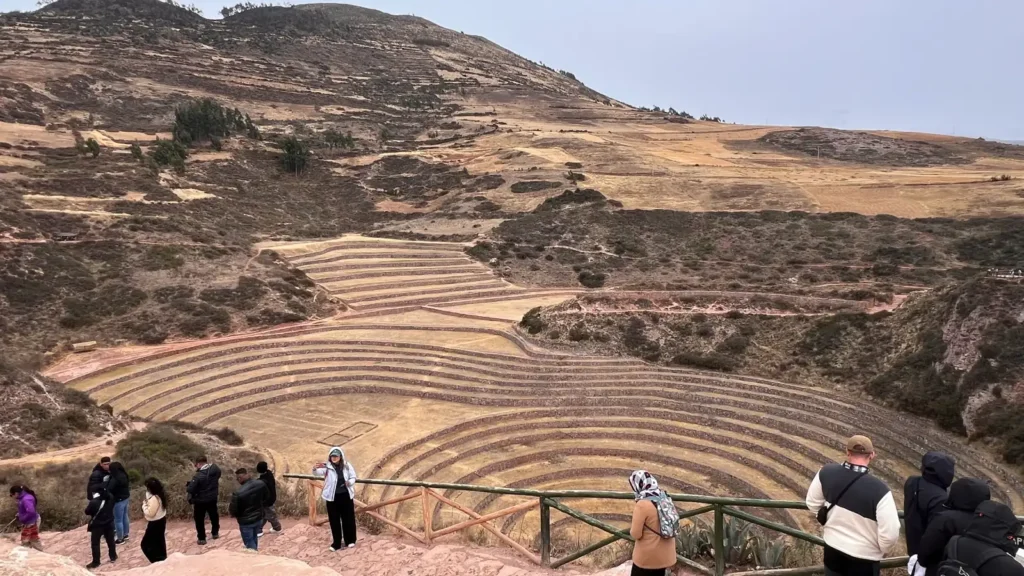
Moray is one of the most intriguing places in the Sacred Valley.
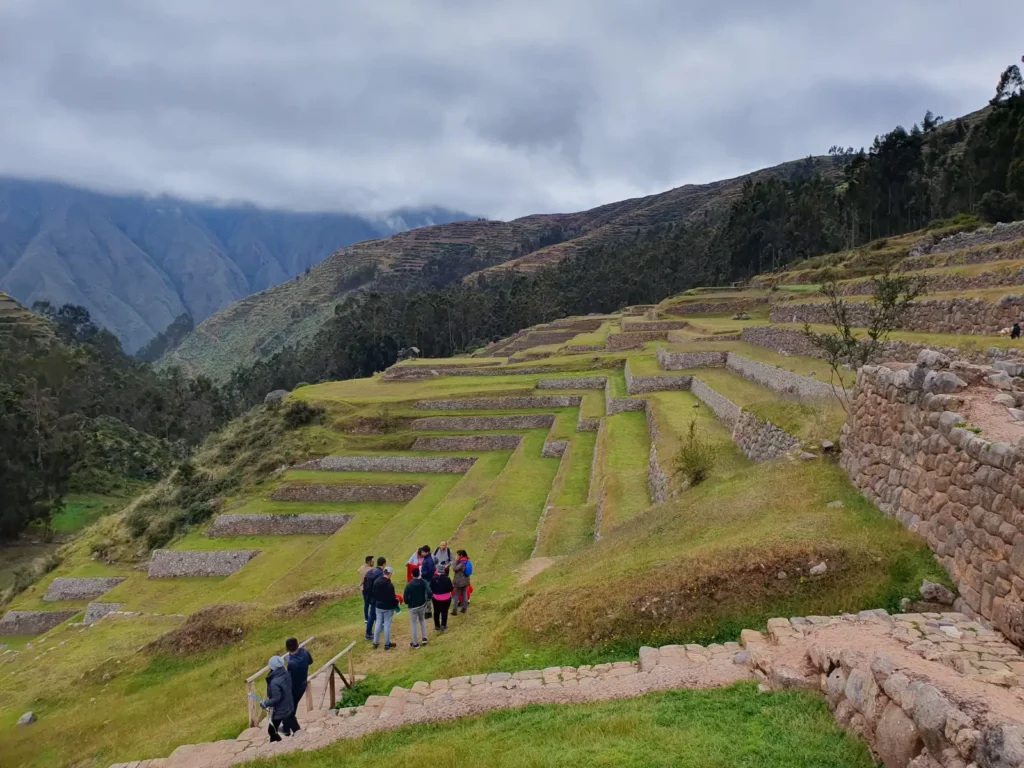
Its enormous circular terraces immediately catch visitors’ attention and continue to spark curiosity among historians and archaeologists.
Many researchers believe the site was used to test crops under different temperature conditions, although several theories exist.
Regardless of its original purpose, Moray remains one of the most fascinating archaeological sites near Cusco.
How Many Days Do You Need in the Sacred Valley?
That depends on your travel style.
A full-day tour allows you to visit the main attractions and works well for travelers with limited time.
However, if your schedule allows, spending one or two nights in the valley can completely change the experience.
Staying in places like Ollantaytambo or Urubamba gives you more time to explore, enjoy the scenery and experience the region without feeling rushed.
For many visitors, this slower approach becomes one of the most rewarding parts of their journey.
When Is the Best Time to Visit the Sacred Valley?
The Sacred Valley can be visited year-round.
The dry season, generally from May to September, usually brings clearer skies and excellent conditions for sightseeing and photography.
On the other hand, the rainy season transforms the landscape into a greener and more vibrant environment.
Both seasons offer something different, so the best time depends largely on your personal preferences.
Practical Tips for Visiting the Sacred Valley
Before your visit, keep a few simple recommendations in mind:
- Wear comfortable walking shoes.
- Bring sunscreen, even on cloudy days.
- Carry water throughout the day.
- Keep some cash for local markets and small purchases.
- Book tours in advance during peak travel periods.
- Spend time acclimatizing in Cusco before exploring higher-altitude areas.
These small preparations can make a significant difference during your trip.
Should You Visit the Sacred Valley Before or After Machu Picchu?
Most travelers visit it before Machu Picchu.
Not only is the valley located along the route, but it also provides valuable context for understanding Inca history and architecture before arriving at the famous citadel.
For this reason, many Peru itineraries include Pisac, Ollantaytambo, Maras and Moray before continuing toward Machu Picchu.
That said, visiting afterward is equally possible if it better fits your schedule.
More Than Just Archaeological Sites
What makes the Sacred Valley special is not simply the number of attractions it contains.
It is the combination of landscapes, villages, local traditions and historic sites that creates such a memorable experience.
In a single day, you can walk through ancient ruins, visit traditional towns, admire mountain scenery and discover places that feel completely different from the more crowded tourist destinations.
That variety is exactly why so many travelers consider the Sacred Valley one of the highlights of their trip to Peru.
Explore the Sacred Valley with a Guided Tour
If you want to make the most of your time, joining a guided Sacred Valley tour is one of the easiest ways to explore the region.
A well-organized tour allows you to visit the most important sites, learn about their history and enjoy the journey without worrying about transportation or logistics.
From Pisac and Ollantaytambo to Maras, Moray and Chinchero, the Sacred Valley offers an unforgettable experience and remains one of the most rewarding destinations near Cusco.