
Hello, history enthusiast!
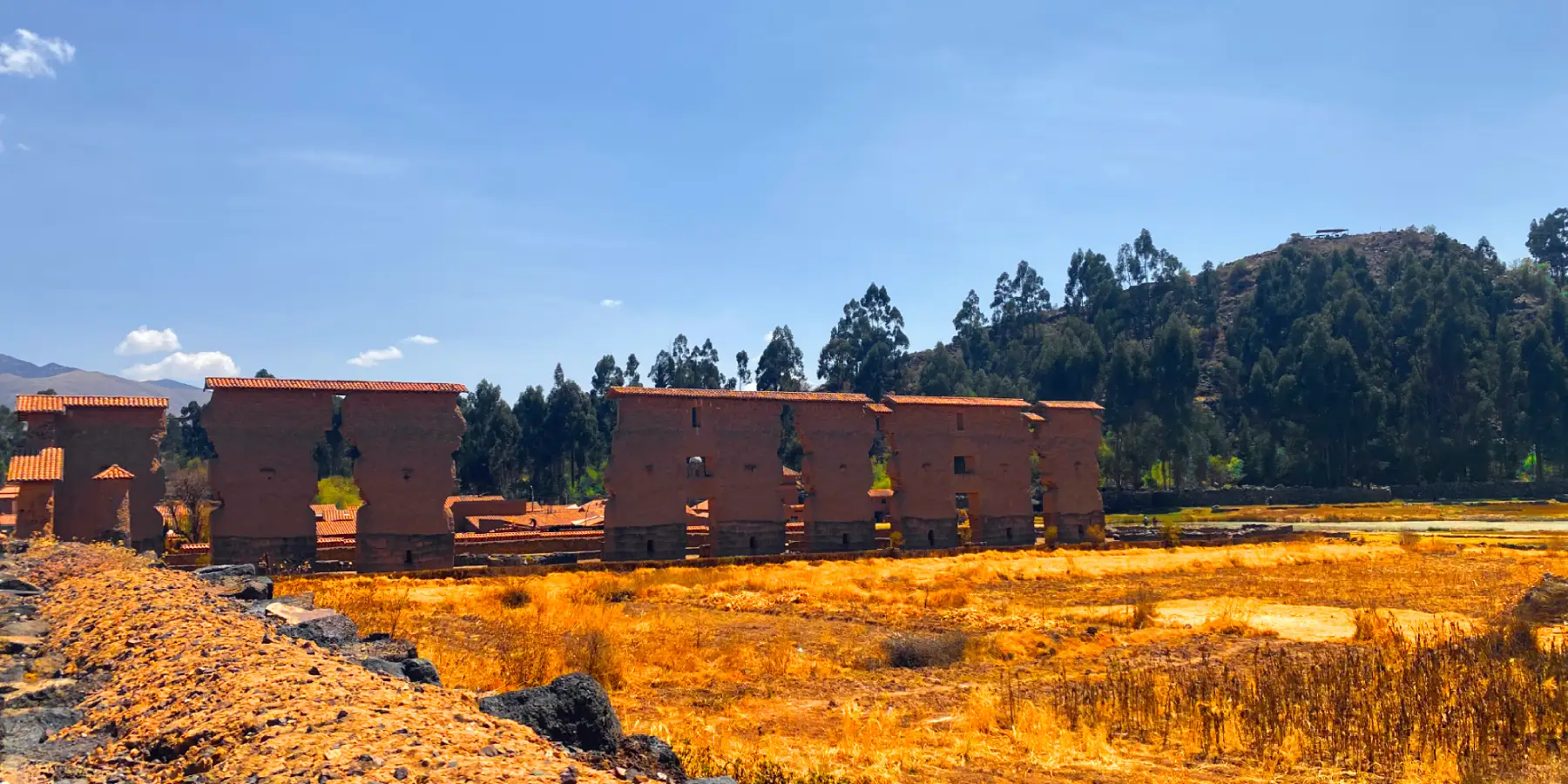
I’m part of the team at Top Inka Travel, and there’s a moment at the Raqchi ruins when the sun strikes the towering adobe walls of the Wiracocha Temple, casting long shadows over the Vilcanota River valley below. It feels as if the structure built to honor the creator god still pulses with the devotion of an empire long gone. This colossal Inca complex, often overlooked among Cusco’s better-known sites, is like having a quiet, private conversation with the past: vast, unpretentious, and profoundly moving.
If you’re looking for “Raqchi Peru”, “Wiracocha Temple Cusco”, “Raqchi ruins tour”, “how to get to Raqchi from Cusco”, or even long-tail searches like “best Inca sites in Peru”, “South Valley Cusco tour”, or “Raqchi from USA”, this guide is for you. Based on on-site exploration, traveler insights, and updated 2026 information, we’ll uncover Raqchi’s essential stories: its place in the South Valley, the engineering brilliance behind its temple, legends of divine fire, and why this site is indispensable for anyone seeking the Inca world beyond Machu Picchu.
No crowds just wind, adobe, and echoes of ancient footsteps.
The Sacred Ground: Where Raqchi Stands in the Andean Landscape
Tucked into rolling highlands southeast of Cusco, the Raqchi location lies in the San Pedro District of Canchis Province, overlooking the Vilcanota River at 3,480 meters (11,417 feet). It sits 110 km from Cusco, a scenic two-hour drive along the road to Puno, where the air carries hints of eucalyptus and distant rain. The site spreads across a fertile plain guarded by the extinct Quimsachata volcano, its slopes dotted with terraced fields that showcase the Incas’ mastery over agriculture.
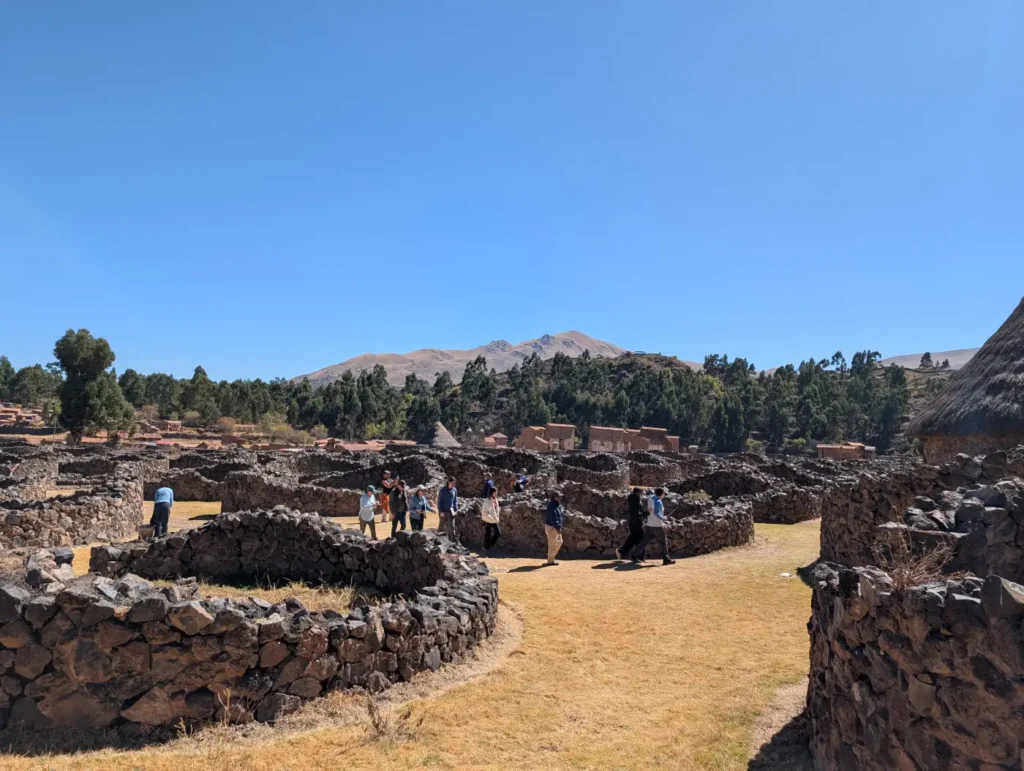
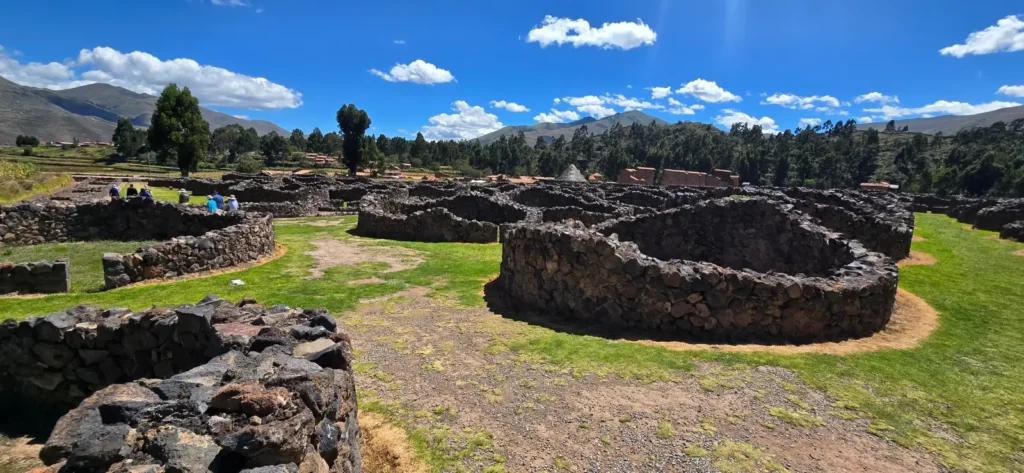
Raqchi is not a lone ruin it is a 1,000-hectare ceremonial complex, blending temple grounds with residential sectors, plazas, and hundreds of granaries. One traveler described arriving at dusk as “stepping into a forgotten cathedral,” the river’s murmur echoing off the massive walls like an ancient hymn.
The Heart of Devotion: Inside the Wiracocha Temple
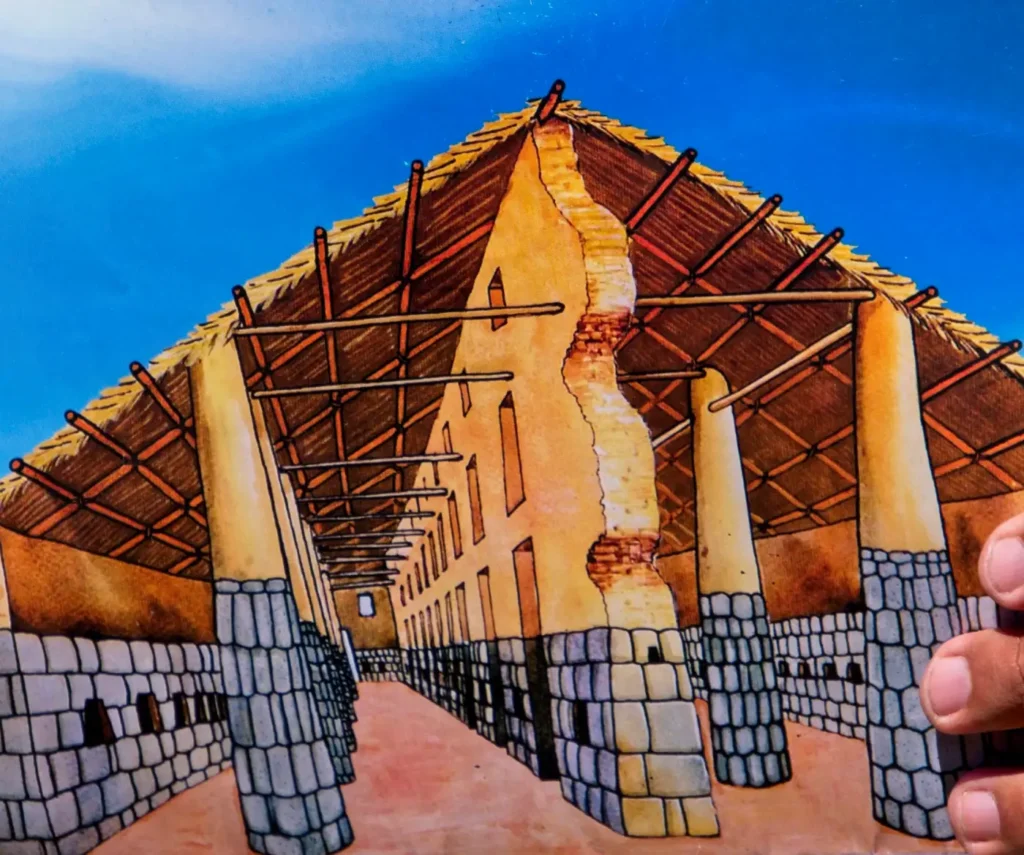
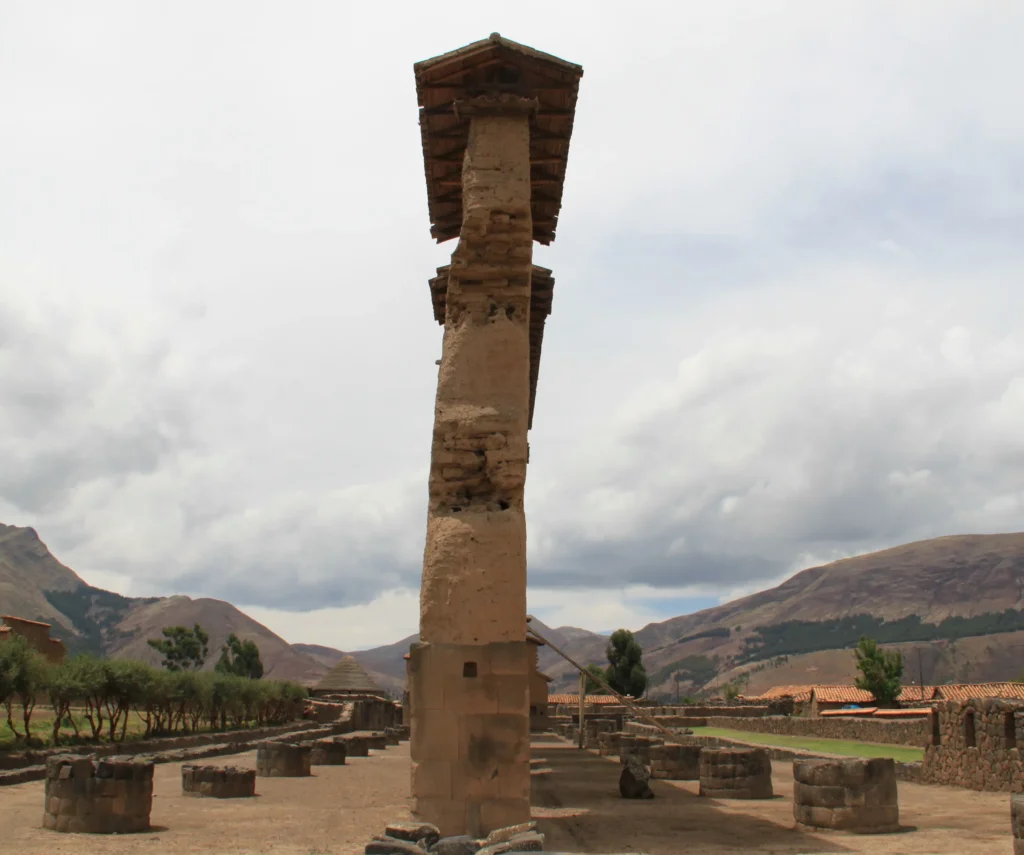
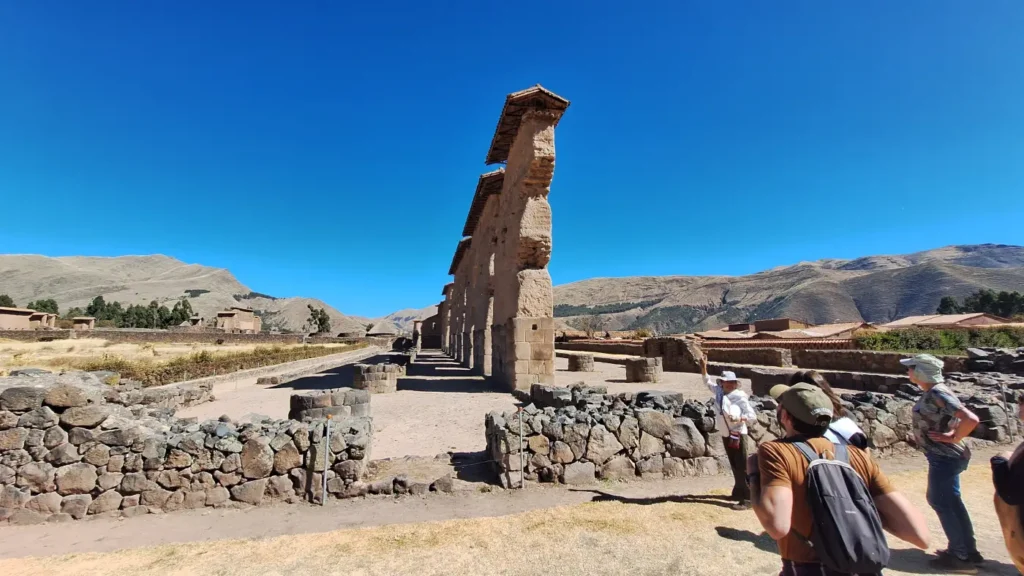
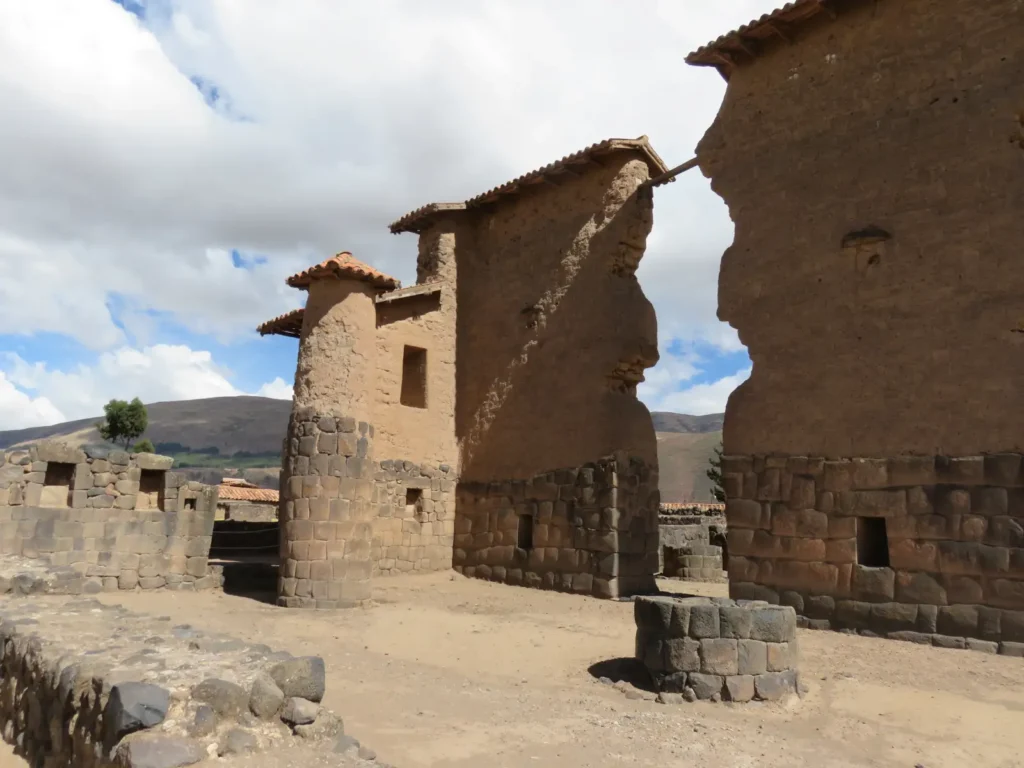
At the center of Raqchi rises the Wiracocha Temple Cusco, one of the largest and most architecturally ambitious structures in the entire Inca Empire. Once standing 25 meters tall, it was the tallest roofed building the Incas ever constructed. Dedicated to Viracocha, the bearded creator god said to have shaped the world from Lake Titicaca, the temple stretches 92 by 25 meters, built on volcanic stone foundations with surviving adobe walls up to 14 meters high.
Fifteen circular columns each two meters thick once supported an immense ichu-grass roof, allowing sunlight to filter in like divine rays. Excavations reveal offering niches containing traces of gold, silver, and llama fat, evidence of ceremonies where priests invoked Viracocha for protection and abundance.
The western wall, carved with seven trapezoidal doorways, frames sweeping views of the sacred river. Standing there feels like witnessing the same landscape Inca priests once addressed in ritual.
Legends of Fire and Faith: Stories Etched in Stone
Raqchi’s traditions burn with drama. Chronicler Pedro Cieza de León wrote that Viracocha arrived disguised as a poor traveler and was attacked by villagers. Enraged, he called down fire and earthquakes until the people repented and built the temple in his honor.
Garcilaso de la Vega later added that Emperor Pachacutec expanded the complex, transforming Raqchi into a pilgrimage center where rulers sought divine favor before military campaigns.
Quechua elders still speak of the site’s protective spirit: the temple’s columns, like fingers reaching toward the sky, are said to ward off misfortune. During 1980s excavations, workers unearthed a stone face of Viracocha now preserved in the Museum of America in Madrid just as a sudden storm halted the work for days. “The god didn’t want to be disturbed,” they joked, but the reverence endures.
These stories aren’t mere tales; they form the living soul of Raqchi, where spirituality and practicality met. Nearby granaries once stored maize and quinoa for pilgrims, ensuring that the temple nurtured both body and spirit.
Journey to the Past: Getting to Raqchi from Cusco
Reaching Raqchi from Cusco is a scenic two-hour drive south along the Cusco–Puno highway, passing quinoa fields, stone corrals, and Andean villages where alpacas graze at dawn. Private transportation offers flexibility for stopping at viewpoints, while group tours often combine Raqchi with Pikillacta or Andahuaylillas.
The altitude 3,480 meters is slightly lower than Cusco’s, but spending a day acclimating helps you enjoy the site without fatigue.
Early mornings provide the best photography: golden walls glowing against river mist. In 2026, look forward to new interpretive trails, making it easier to explore the site’s 220 colcas (storehouses), ritual baths, and surrounding plazas.
Whispers of Empire: Beyond the Temple Walls
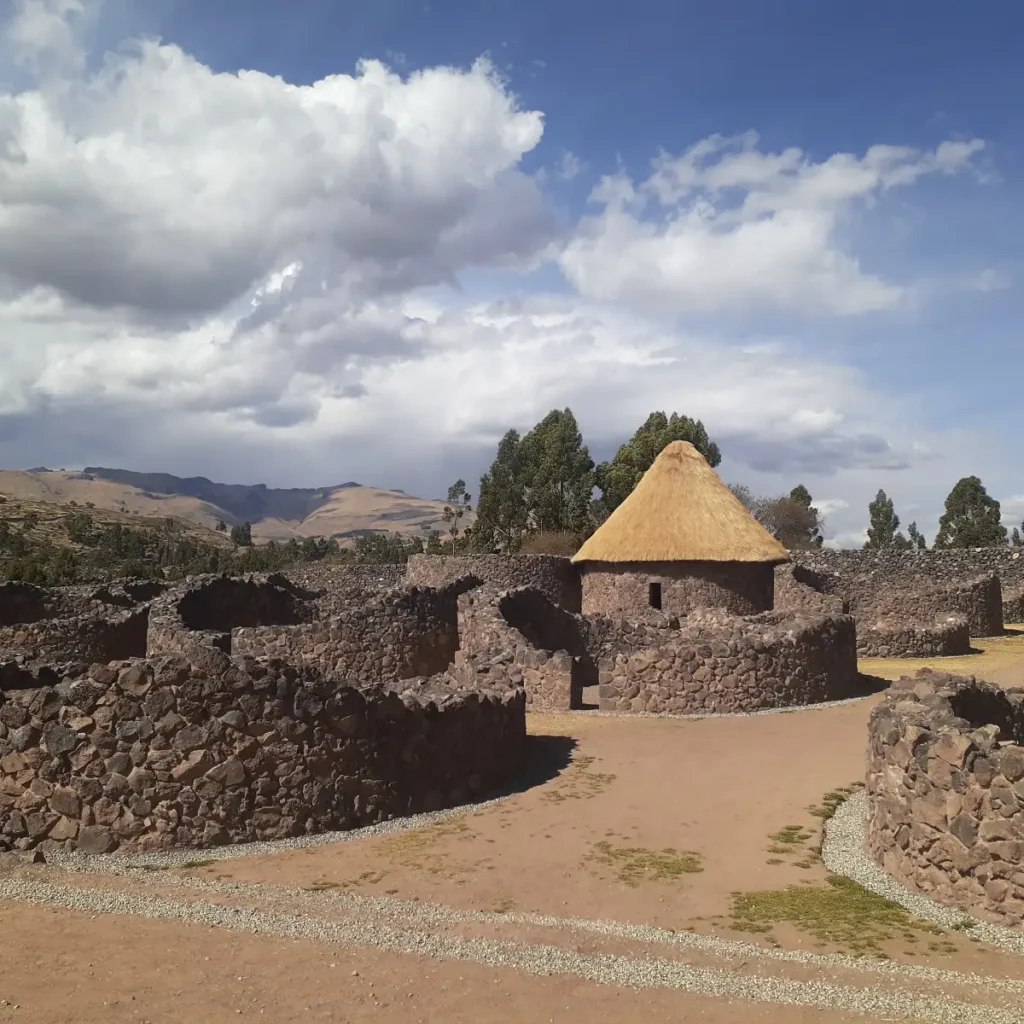
Raqchi is a window into Inca life. More than 200 qollqas, dome-shaped granaries with ichu roofs, once stored vast amounts of food to supply armies along the Qhapaq Ñan, the empire’s expansive road network.
Nearby, a carved stone statue once representing Viracocha suggests Raqchi’s role as a spiritual crossroads. Pilgrims are believed to have bathed in sacred pools before approaching the temple or climbing the slopes of Quimsachata Volcano.
Excavations since the 1980s have uncovered pottery from Wari and Pucara cultures, showing that Raqchi predates the Incas and later grew into an imperial sanctuary connected by trade routes linking coast and highlands. Walk its perimeter, and you’ll feel the rhythm of an ancient corridor once alive with chasquis (messengers) carrying news across the Andes.
Top Inka Travel’s Raqchi Journeys
We bring the site to life through immersive, culturally rich experiences:
- South Valley Discovery Day: Raqchi + Pikillacta + Andahuaylillas — a complete dive into archaeology, history, and living culture.
- Wiracocha Temple Private Exploration: Customized hike, local lunch, volcano viewpoints, and flexible timing.
- Inca Heartland Multi-Day: Raqchi with extensions toward Lake Titicaca and the high-altitude cultural circuit.
- Route of the Sun (Cusco to Puno): A legendary journey including Raqchi as one of its main ceremonial stops.
Office: Calle Nueva Alta n° 495, Cusco
Contact us for 2026 reservations.
Raqchi waits—its walls a silent prayer to the creator.
Will you answer?