
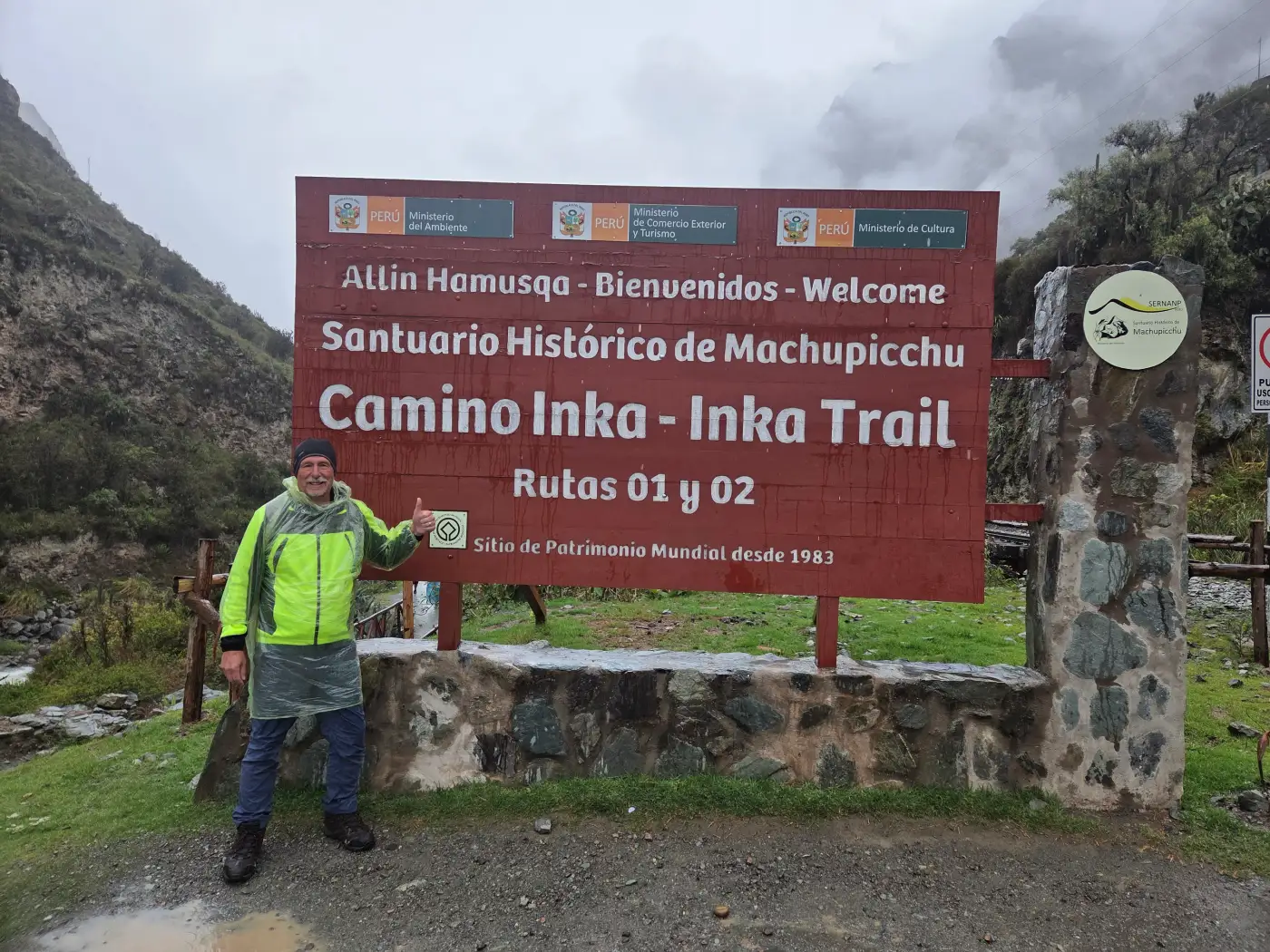
Hello! I’m a guide at Top Inka Travel, and if there’s one thing I’m passionate about in my job, it’s leading travelers like you along the Inca Trail to Machu Picchu, that legendary route that makes you feel as if you’ve stepped back in time. Imagine walking on stone-paved paths that the Incas trod 500 years ago, crossing mist-covered ruins, passing through cloud forests, and arriving at the Sun Gate with the citadel of Machu Picchu spread out before you like a dream.
This Inca Trail trek isn’t just a hike: it’s an immersion in Andean history, nature, and culture. If you’re planning how to do the Inca Trail, I’ll tell you everything: what the Qhapaq Ñan is, the day-by-day itinerary, the maximum altitude (13,828 feet at Dead Woman’s Pass), the permits, and why the best time is from May to October. With real data and practical advice, this blog prepares you for an unforgettable adventure.
What Was the Inca Trail? The Qhapaq Ñan, the Road Network of the Inca Empire
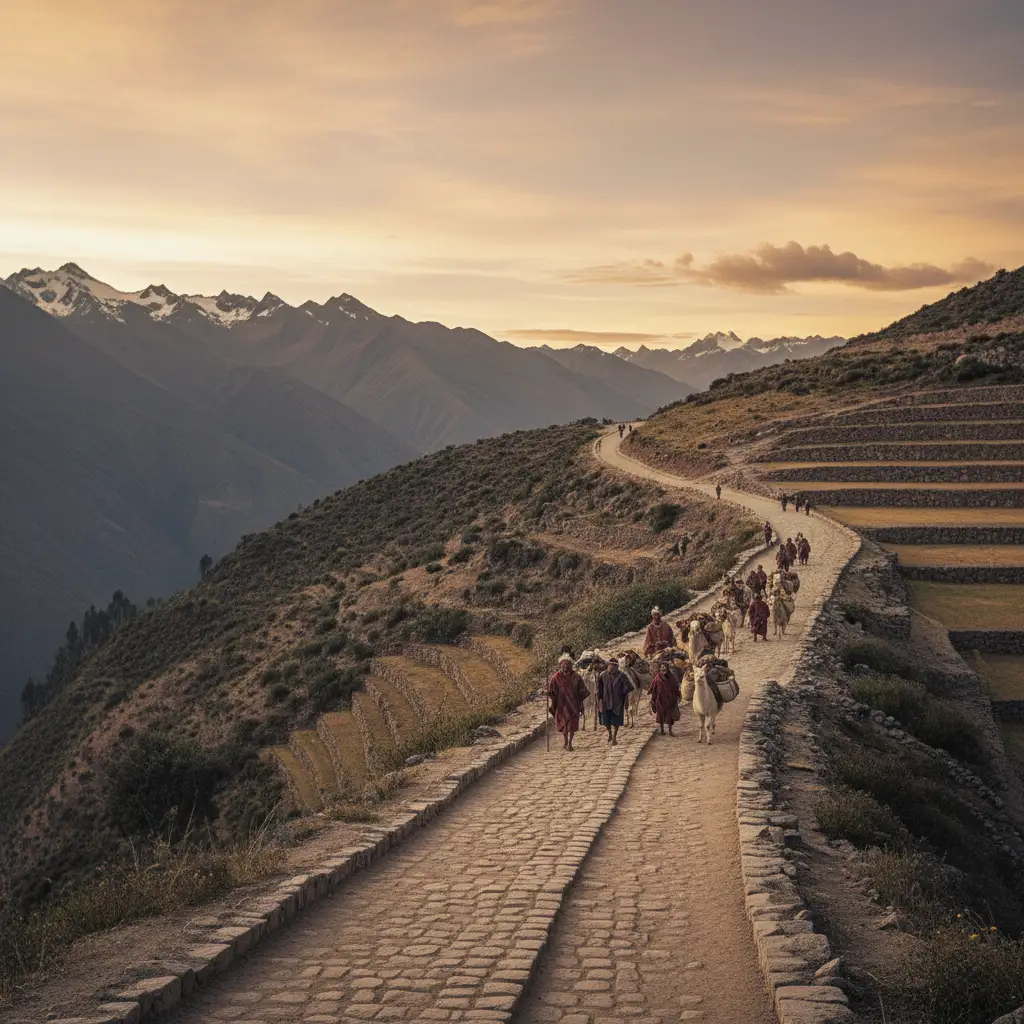
The Inca Trail, or Qhapaq Ñan in Quechua (“the great road”), was the vital artery of Tawantinsuyu, the Inca empire that stretched from Colombia to Chile and Argentina. Built between the 15th and 16th centuries under emperors like Pachacútec, this road system measured over 25,000 miles —longer than the Silk Road— and united four regions (suyus) with Cusco as the nerve center. It wasn’t just a path: it was an engineering marvel that facilitated the trade of products like corn from the low valleys for potatoes from the highlands, communication with chasquis (messengers who ran up to 150 miles a day), and cultural integration through tambos (rest stops with food and shelter).
The infrastructure was impressive: polished stone paths (wide enough for 4 people), hanging bridges made of q’oya fiber over canyons, aqueducts for water, and tambos every 12-19 miles. Without the wheel or pack animals, the Incas achieved this with organized labor and knowledge of the terrain. Today, UNESCO declared it a World Heritage Site in 2014, recognizing its role in uniting ecosystems from coastal deserts to Amazonian jungles. The Inca road system wasn’t for tourism: it was the pulse of the empire, controlling trade routes and military movements. The modern trekking route recreates only a 27-mile stretch, but it gives you a glimpse of that grandeur.
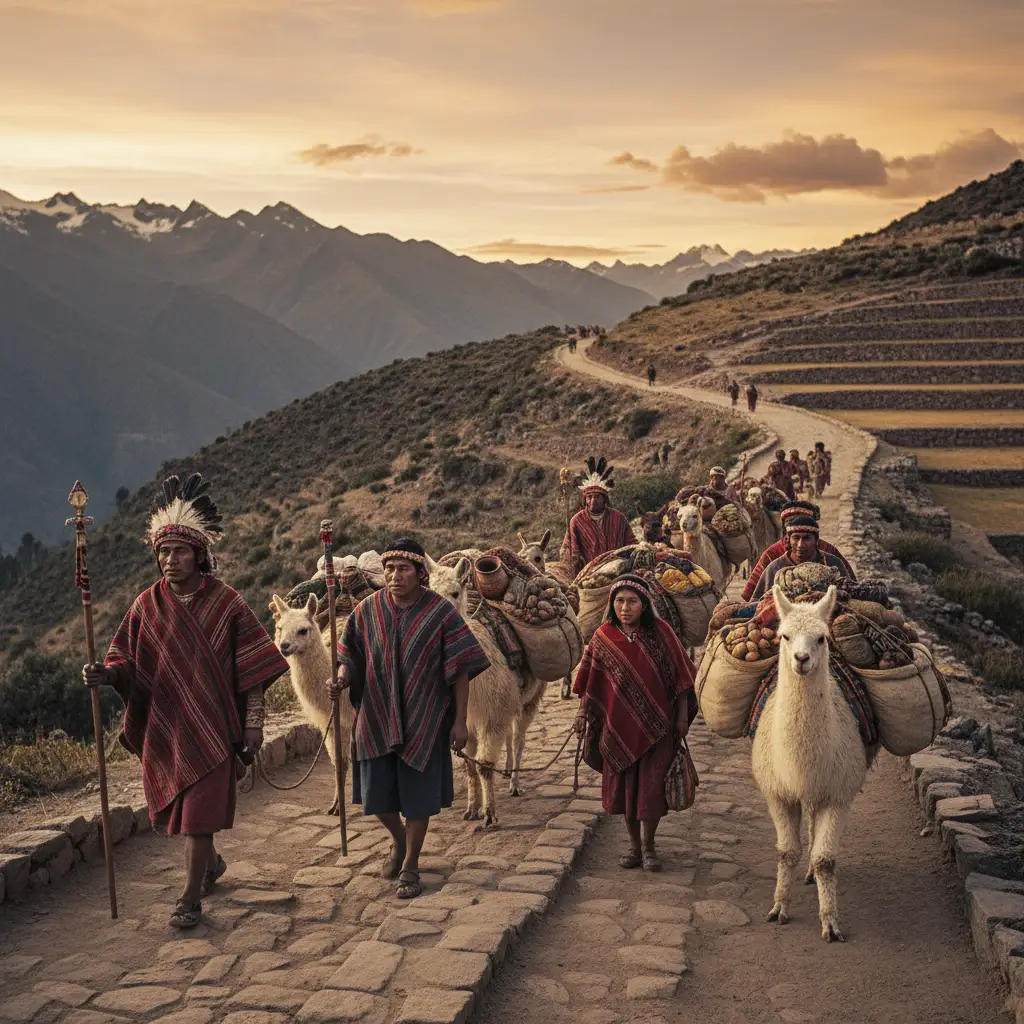
The Inca Trail Trek: The Classic 4-Day Route to Machu Picchu
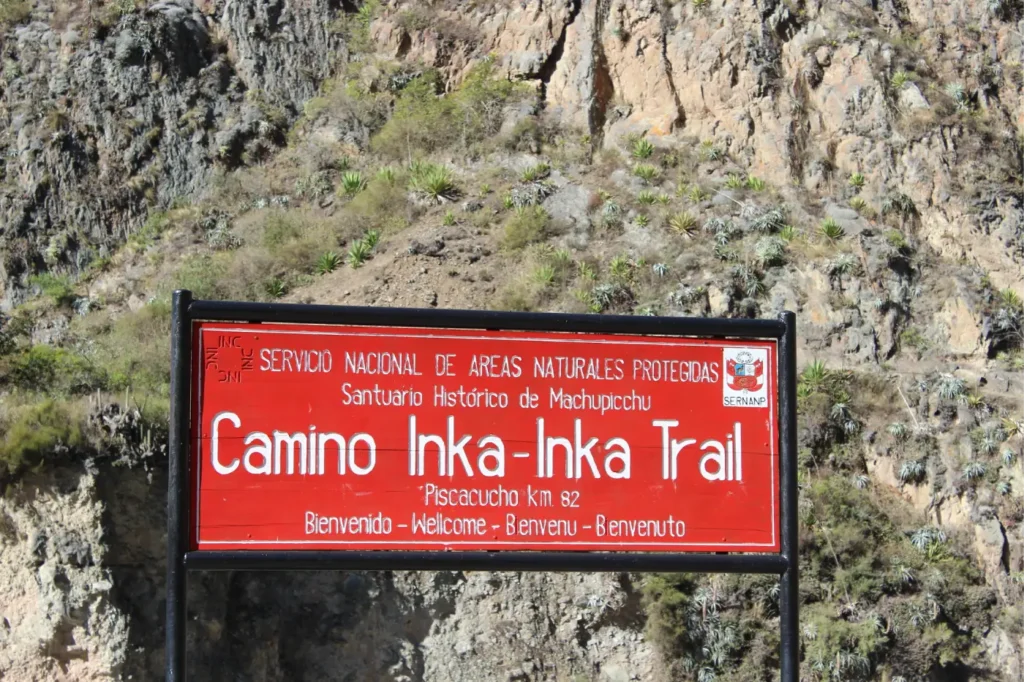
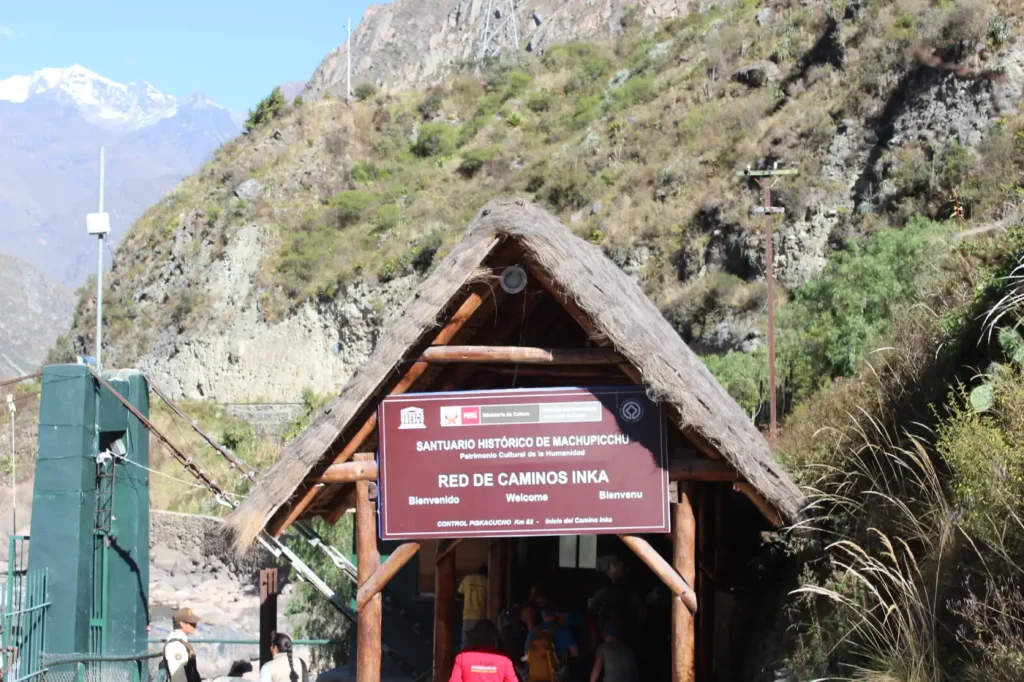
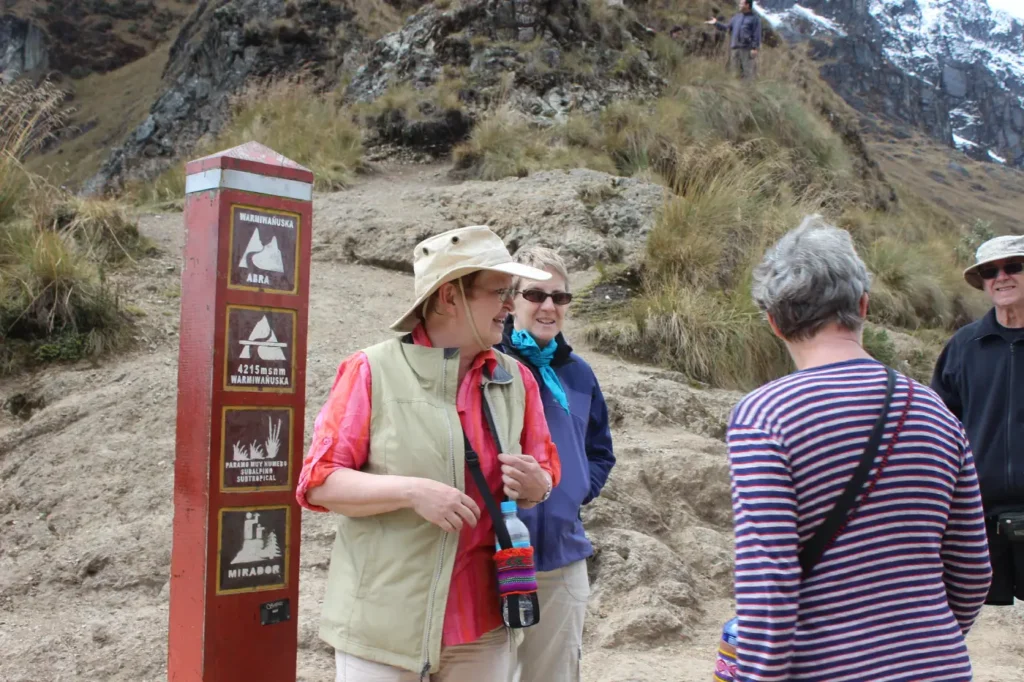
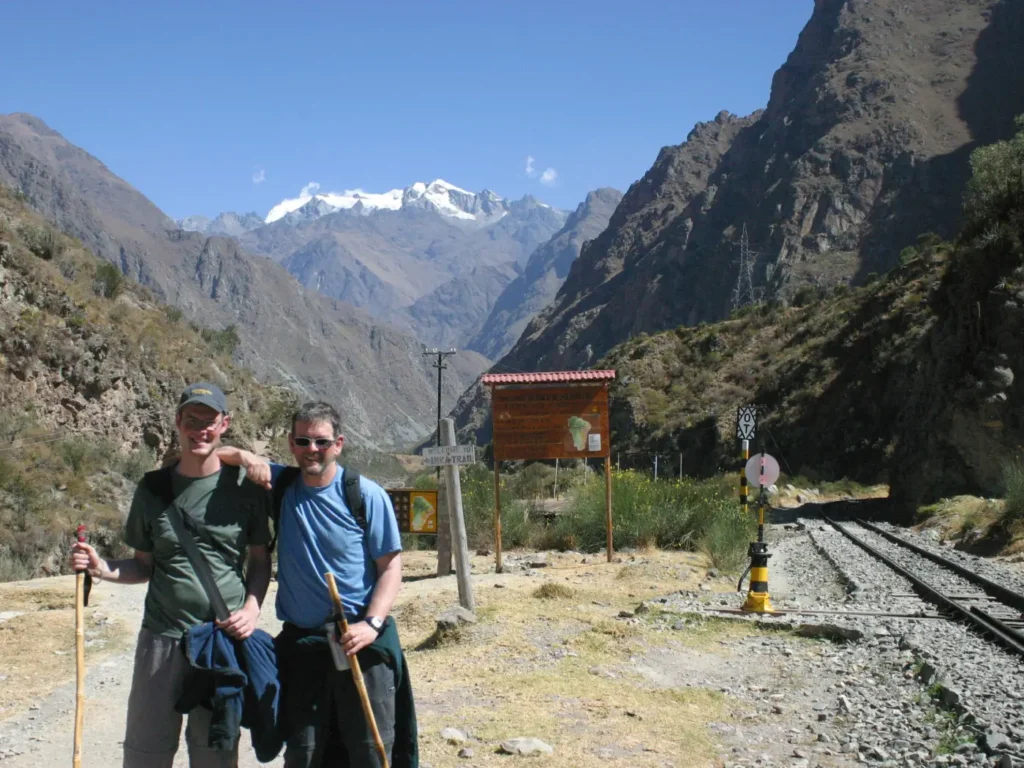
The Classic Inca Trail is the most iconic version of the Qhapaq Ñan for hikers, a 4-day, 3-night trek that starts at Km 82 near Ollantaytambo and ends at Intipunku (Sun Gate), with epic views of Machu Picchu at sunrise on day 4. It covers 27 miles across three ecosystems: high jungle, cloud forest, and Andean puna, with ruins like Llactapata and Wiñay Wayna that will leave you breathless. It’s moderately challenging, with steep climbs and Dead Woman’s Pass (Warmiwañusca) as the climax at 13,828 feet, the highest elevation of the Inca Trail.
Day-by-Day Itinerary: What to Expect on the Trek
- Day 1: Km 82 to Ayapata (7.5 miles, 6 hours): Leave Cusco early for Ollantaytambo (1.5 hours by bus), then cross the Urubamba River and climb through dense jungle. Visit the Llactapata ruins with views of the canyon. Night at a campsite at 9,843 ft, with Andean dinner and endless stars.
- Day 2: Ayapata to Pacaymayo (6.8 miles, 6-7 hours): The tough day: climb 3,937 ft to Dead Woman’s Pass (13,828 ft), the highest point of the Inca Trail, with panoramic views. Descend 1,969 ft to Pacaymayo to camp. Feel the altitude sickness, but the landscape of clouds and ruins motivates you.
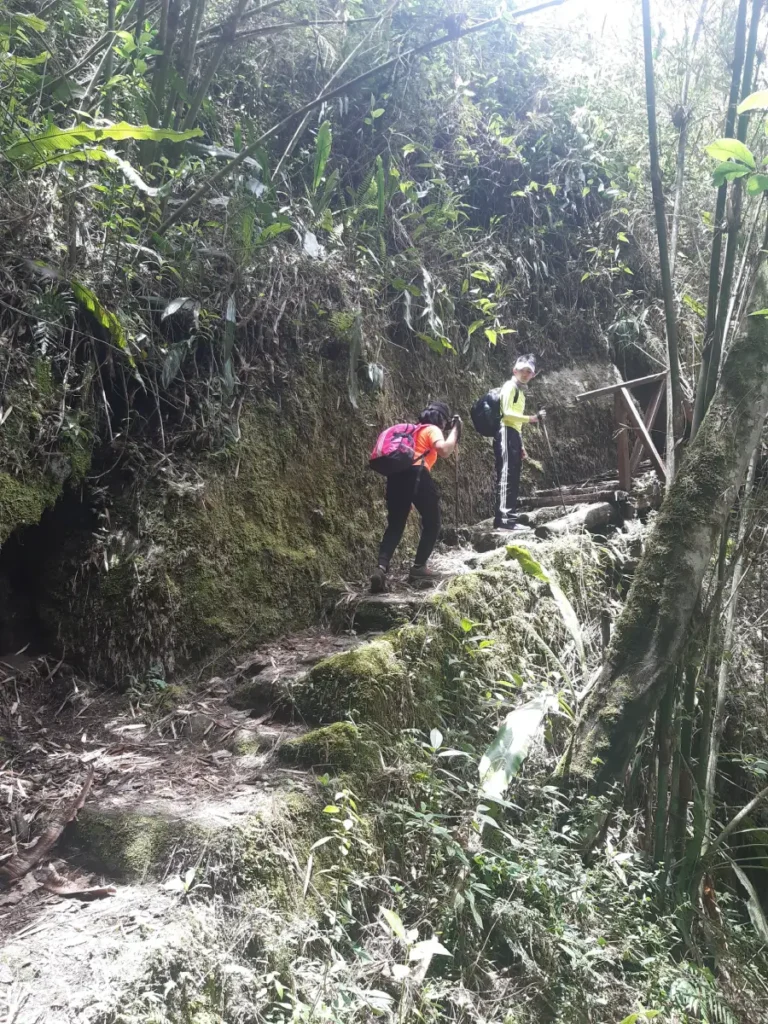
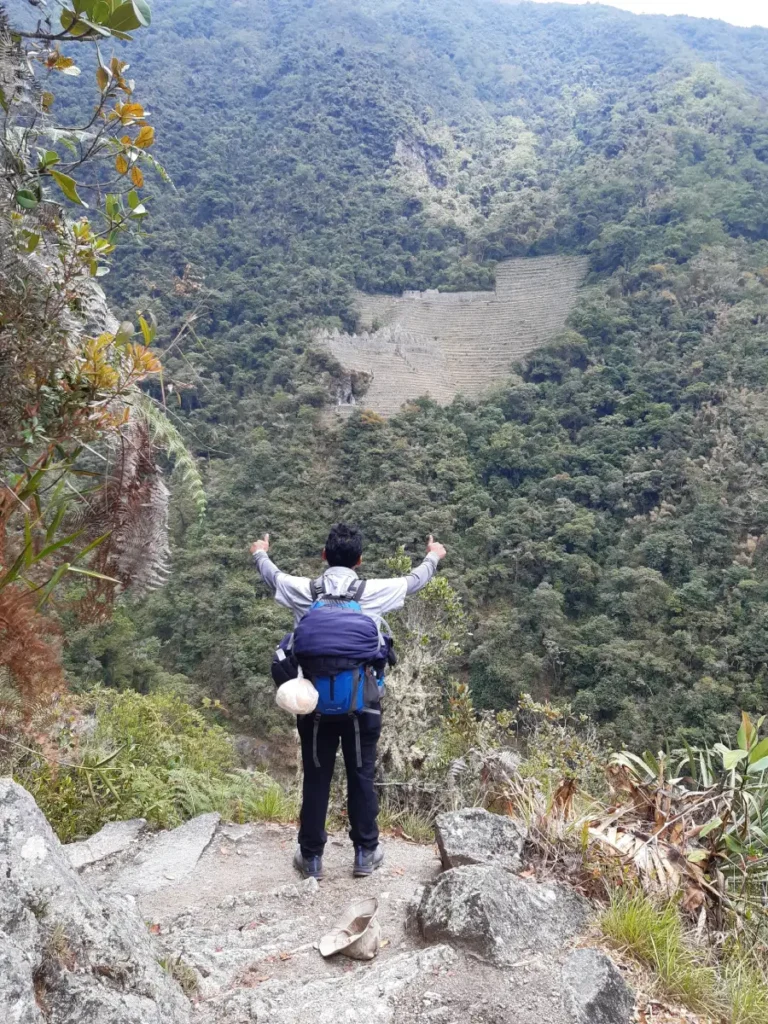
- Day 3: Pacaymayo to Wiñay Wayna (8 miles, 5 hours): Descend stone stairs to ruins of Runkuraqay and Sayaqmarka, “lost villages” with Inca terraces. Arrive at Wiñay Wayna (“forever young”), an archaeological site with waterfalls and temples. Night near Machu Picchu, with a celebration dinner.
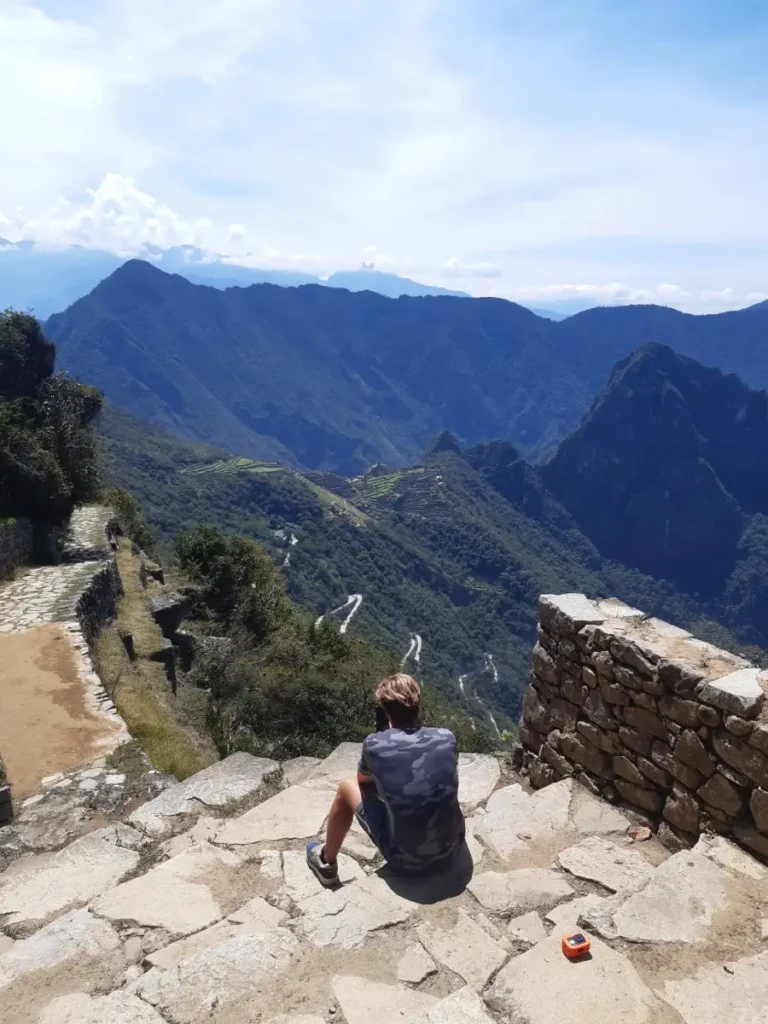
- Day 4: Wiñay Wayna to Machu Picchu (3.1 miles, 2 hours): Climb to Intipunku for sunrise over the citadel —the magical moment. Descend to Machu Picchu for a guided tour (2 hours), explore the Temple of the Sun and the Sacred Rock. Return by train to Cusco.
The altitude on the Inca Trail varies from 6,562 ft in the valley to 13,828 ft at the pass, with descents that ease the effort. Medium difficulty: suitable for people with moderate physical condition, but not for children under 12 or those with heart problems.
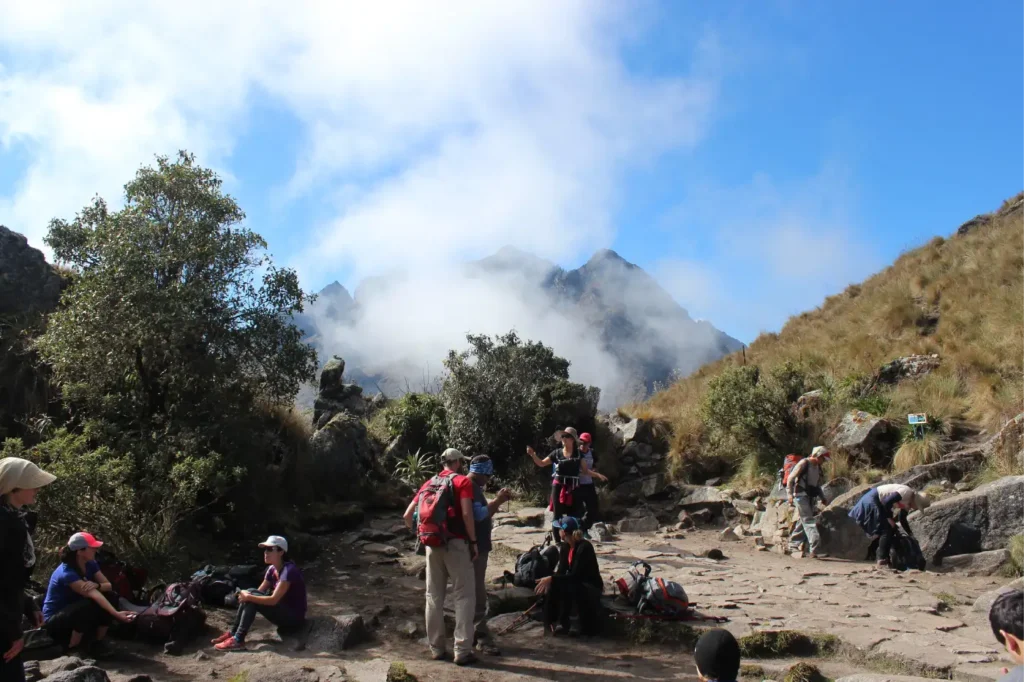
How to Prepare for the Inca Trail: Permits, Best Time, and Tips
How to do the Inca Trail? First, the Inca Trail permits: Only 500 per day (200 for hikers, 300 for guides/porters), so book 4-6 months in advance through authorized agencies like Top Inka Travel. It costs S/152 (about 40 USD) per person, plus train and Machu Picchu entrance (S/152). The trek closes in February for maintenance.
The best time for the Inca Trail is the dry season (May-October): clear skies, temperatures 50-68°F during the day (cold at night), less rain, and wildflowers. Avoid July-August due to crowds; June is ideal for the Inti Raymi. During the rainy season (November-April), trails are slippery and there are mosquitoes, but the landscapes are green.
Practical tips:
- Fitness: Train with 6-mile walks and hills; the trek burns 8,000 calories.
- Gear: Waterproof boots, sleeping bag (32°F), poles, poncho, repellent.
- Altitude Sickness: Acclimatize for 2 days in Cusco; take acetazolamide if approved by a doctor.
- Sustainability: Choose tours with well-paid porters (max. 44 lb load).
Compared to the Salkantay Trek, the Inca Trail is more historical but limited by permits; Salkantay offers more varied landscapes without quotas.
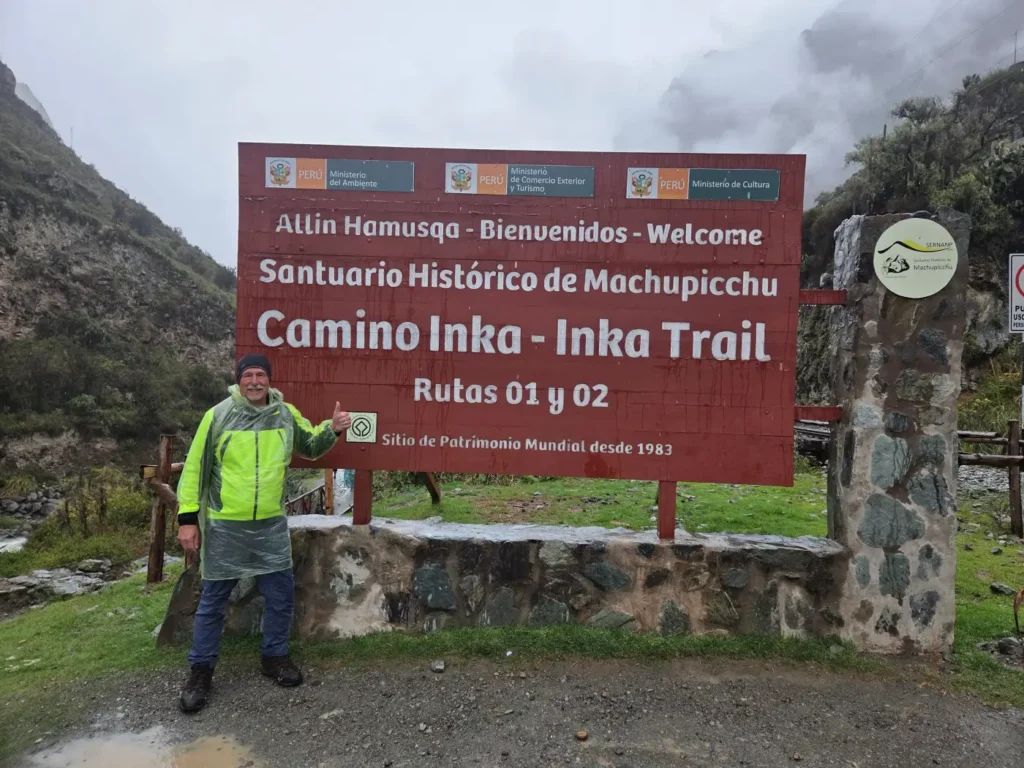
Why Do the Inca Trail with Top Inka Travel: Your Personalized Adventure
At Top Inka Travel, we transform the Inca Trail Machu Picchu into an intimate experience: small groups (max. 8), local guides who tell Quechua legends, and porters with fair wages. Our Inca Trail 4 days tour includes everything: permits, Vistadome train, gourmet meals (vegan options), quality equipment, and insurance. We pick you up from your hotel in Cusco, with a 1 guide per 6 hikers ratio for personalized attention.
I’ve seen eyes filled with tears at Intipunku, backpackers from Europe embracing the Sacred Rock, and families brought together by shared effort. It’s more than a trek: it’s a journey into the soul of Peru.
Book Your Inca Trail Trek Today
Ready to walk the Qhapaq Ñan? At Top Inka Travel, with our office at Calle Nueva Alta n° 495, Cusco, we book your Inca Trail to Machu Picchu months in advance. Write to us on our website or visit us for a custom itinerary. The trail is calling —answer it!