
Understanding Peruvian Culture and Social Customs
Peru is famous not only for Machu Picchu and its world-class cuisine but also for its rich cultural diversity, marked by ancestral traditions and deeply rooted values. Understanding the customs and social norms of the country will allow you to have a much more authentic and respectful experience, especially if you visit rural communities or interact closely with locals.
In this guide, we present the most important cultural aspects that every traveler should know before visiting Peru.

1. Greeting and Courtesy: Respect Comes First
Peruvians are friendly and polite people. When meeting someone, a verbal greeting accompanied by a handshake is customary. Between women or between men and women, it’s common to give a kiss on the cheek (just one) if there is already a certain degree of familiarity.
It’s always well-received to greet with a “buenos días” (good morning), “buenas tardes” (good afternoon), or “buenas noches” (good evening) when entering a store, restaurant, or hotel. The use of “por favor” (please) and “gracias” (thank you) is also highly valued.
2. Appropriate Attire According to the Region
Although in urban areas western and casual clothing is common, in rural or religious areas it’s recommended to dress modestly. Covering shoulders and legs when visiting temples, churches, or Andean communities demonstrates respect for their traditional norms.
Avoid wearing very revealing clothing in cultural or family contexts.
3. Flexible Punctuality
In social gatherings, punctuality is not always strict. It’s common for events to start with some delay, especially at family celebrations or patron saint festivals. However, in professional or tourist settings (such as tours or flights), punctuality is expected.
4. Relationship with Indigenous Communities and Andean Worldview
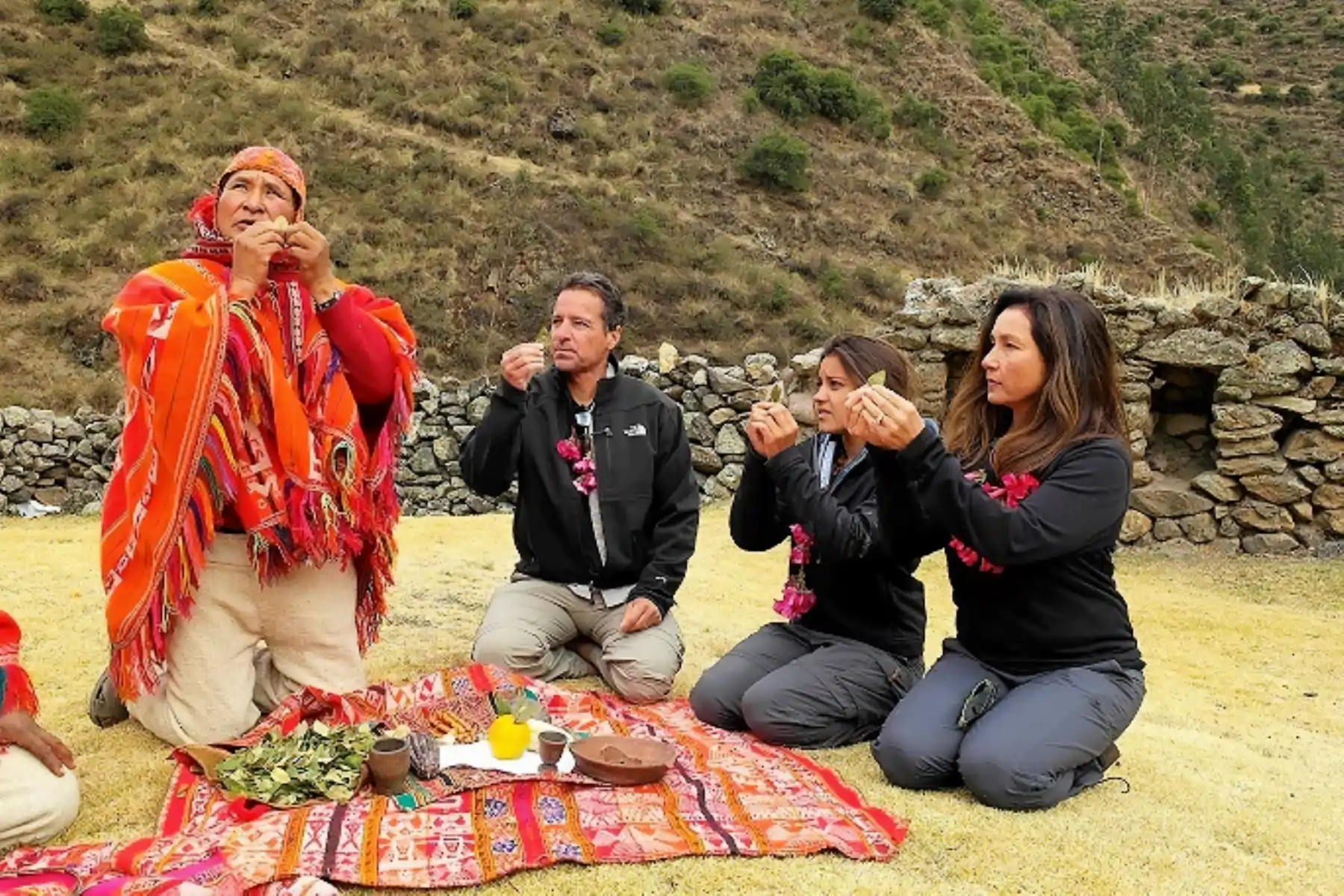
Many communities in the highlands and jungle of Peru preserve their language (Quechua or Aymara), traditional dress, and ancestral worldview. The concepts of “Pachamama” (Mother Earth), reciprocity, and respect for nature are present in daily life.
When visiting these communities:
- Ask permission before taking photos, especially of elderly people or children.
- Accept with gratitude any offering or gesture, such as a drink or food.
- Participate respectfully in traditional ceremonies if you are invited.
5. Bargaining: When and How?
Bargaining is common in local markets or when buying crafts, especially in Cusco, Puno, or Arequipa. However, it is expected to be done with respect and goodwill. Avoid excessive bargaining or showing a dismissive attitude if the price doesn’t fit your budget.
6. Rules at Sacred and Archaeological Sites
Peru is home to numerous archaeological sites that are still considered sacred by many communities. When visiting places like Machu Picchu, Sacsayhuamán, or pre-Incan temples:
- Don’t climb on structures or walls.
- Don’t make graffiti or leave trash.
- Keep quiet in ceremonial areas.
- Always follow the instructions of official guides.
7. Interaction with Children and the Elderly
Children and older adults occupy a very special place in Peruvian society. Being friendly, offering help, or simply conversing respectfully creates a genuine connection with local families, especially in small towns.
8. Festive Customs: Joy, Music, and Devotion
Traditional Peruvian festivals combine religion, dance, music, and food. Each region has its own celebrations, such as Inti Raymi in Cusco, Virgen de la Candelaria in Puno, or San Juan Festival in the Amazon.
If you attend any:
- Participate with joy, but with respect for religious symbols.
- Ask before joining a parade or ceremony.
- If you consume alcoholic beverages, do so in moderation and with proper manners.
9. The Concept of “Living With” Nature
In many indigenous cultures, nature is seen as a living being that must be respected. This thinking is reflected in practices such as offerings to the earth (payments to Pachamama) and sustainable use of resources.
Avoid littering, damaging plants or wildlife, and consider participating in responsible tourism activities.
10. Language and Communication
Although Spanish is the official language, Quechua or Aymara is spoken in many rural areas. Learning some basic words or phrases in Quechua is a sign of respect and cultural curiosity that will be highly valued by locals.
Conclusion
Knowing and respecting customs and social norms in Peru will open the doors to a deeper and more human experience. You will not only avoid misunderstandings but also earn the appreciation and hospitality of the people. Remember that responsible tourism begins with an open, empathetic, and conscious attitude.
Traveling to Peru is not just about visiting incredible places; it’s also about understanding its soul and its people.