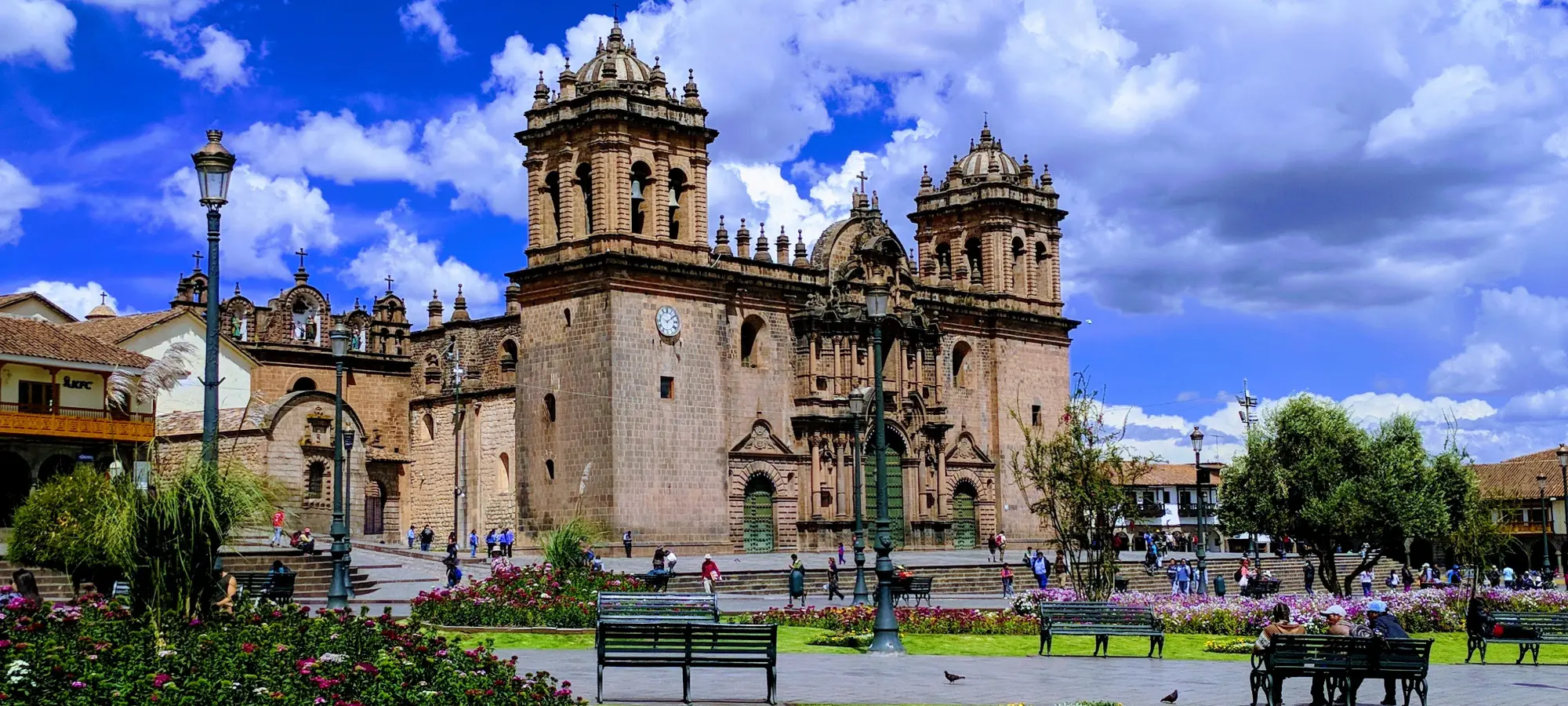
Traveling to Peru for the first time is a fascinating adventure that combines ancient history, dreamlike natural landscapes, and a vibrant culture. This South American country has captured the imagination of millions of travelers thanks to its archaeological wonders like Machu Picchu, its award-winning cuisine, and the warmth of its people. However, like any international destination, it requires good preparation to avoid setbacks and fully enjoy the experience.
Here are the most important tips to ensure your first trip to Peru is safe, organized, and memorable.
1. Entry Requirements and Documentation
Before packing, verify the country’s entry requirements. Most citizens from Latin America, Europe, and North America can enter Peru without a visa for tourism purposes for up to 90 days. Still, your passport must be valid for at least six months from the date of entry.
Additionally, although not mandatory, travel insurance that covers medical emergencies, cancellations, and luggage loss is recommended. Health and safety should always be a priority.

2. What is the Best Time to Visit Peru?
The climate in Peru varies considerably depending on the region:
High season (May to September): Ideal for visiting the highlands and jungle, as it’s the dry season. Places like Cusco, Machu Picchu, and Arequipa offer sunny days and clear skies.
Low season (October to April): Rainy season in the Andean region, but very good for visiting the coast (like Lima or Paracas) due to the warmer and drier climate.
Plan your itinerary according to the regions you want to explore and consider booking in advance during the high season.
3. Book Popular Tourist Destinations in Advance
Attractions like Machu Picchu, Rainbow Mountain, or the Choquequirao citadel are in high demand with limited capacity. To avoid inconveniences, book several weeks (or even months) in advance:
- Machu Picchu tickets
- Train tickets (PeruRail or IncaRail)
- Accommodation in Cusco and Aguas Calientes
- Guided tours and internal transportation
4. How to Handle Altitude in Andean Regions
One of the main concerns when visiting Peru for the first time is “soroche” or altitude sickness. Cities like Cusco, Puno, and Huaraz are more than 3,000 meters above sea level, so it’s common to experience mild symptoms such as headaches, fatigue, or nausea.
To prevent it:
- Take it easy on your first day, avoiding physical exertion
- Stay well hydrated and drink coca leaf tea (very traditional and effective)
- Consider preventive medications if you’re prone to altitude effects (consult your doctor before the trip)
5. Internal Transportation: How to Get Around the Country
Peru is an extensive country with multiple regions. Here are some recommendations on transportation:
Domestic flights: LATAM, Sky Airline, and JetSmart are reliable airlines connecting Lima with cities like Cusco, Arequipa, or Iquitos.
Tourist buses: Companies like Cruz del Sur, Oltursa, and Peru Hop offer safe, comfortable services with popular tourist routes.
Urban transportation: In large cities, the safest option is to use taxi apps like Uber, Cabify, or inDriver, or request taxis through your hotel.
6. Peruvian Cuisine: Enjoy with Caution!
Peru has been recognized several times as the world’s best culinary destination. Dishes like ceviche, lomo saltado, ají de gallina, and causas limeñas are part of the must-try menu. However, if it’s your first time in the country and you have a sensitive stomach, consider the following:
- Avoid eating from street vendors or places with questionable hygiene
- Drink only bottled or boiled water
- Introduce new flavors gradually into your diet
7. Personal Safety and Protection
Although Peru is generally a safe tourist destination, it’s important to maintain certain precautions:
- Don’t display valuable items (expensive cameras, jewelry, money)
- Use a money belt or bag with secure closure
- Keep your passport, cards, and money in your accommodation’s safe
- Avoid walking alone in less-traveled areas at night
8. Money: Which Currency to Use and Where to Exchange
The official currency in Peru is the Peruvian sol (PEN). Although some tourist places accept dollars, it’s ideal to carry soles for everyday expenses. You can exchange money at:
- Authorized exchange houses (verify the day’s exchange rate)
- Banks
- ATMs (available at airports and urban centers)
Avoid exchanging money on the street, as you might receive counterfeit bills or an unfavorable exchange rate.
9. Respect for Local Culture and Social Norms
Peruvian people are warm, welcoming, and proud of their roots. For a more enriching experience, we recommend:
- Being respectful at archaeological and religious sites
- Asking permission before taking photos of people, especially in indigenous communities
- Learning some basic Spanish phrases if you don’t speak it, which will be very well received
10. Health and Vaccination
Although not mandatory, it’s recommended to have updated vaccines such as yellow fever (if visiting the Amazon), tetanus, and hepatitis A/B. Carry a small first aid kit with painkillers, insect repellent, sunscreen, and personal medications.
Conclusion
Peru is a country full of contrasts and magic. From the imperial city of Cusco and Inca ruins to deep canyons, coastal deserts, and the lush jungle, each corner offers a unique experience. Planning ahead and following these tips will allow you to enjoy a pleasant, immersive trip without unpleasant surprises.
Prepare to discover one of the world’s most fascinating cultures. Peru awaits you with open arms!