
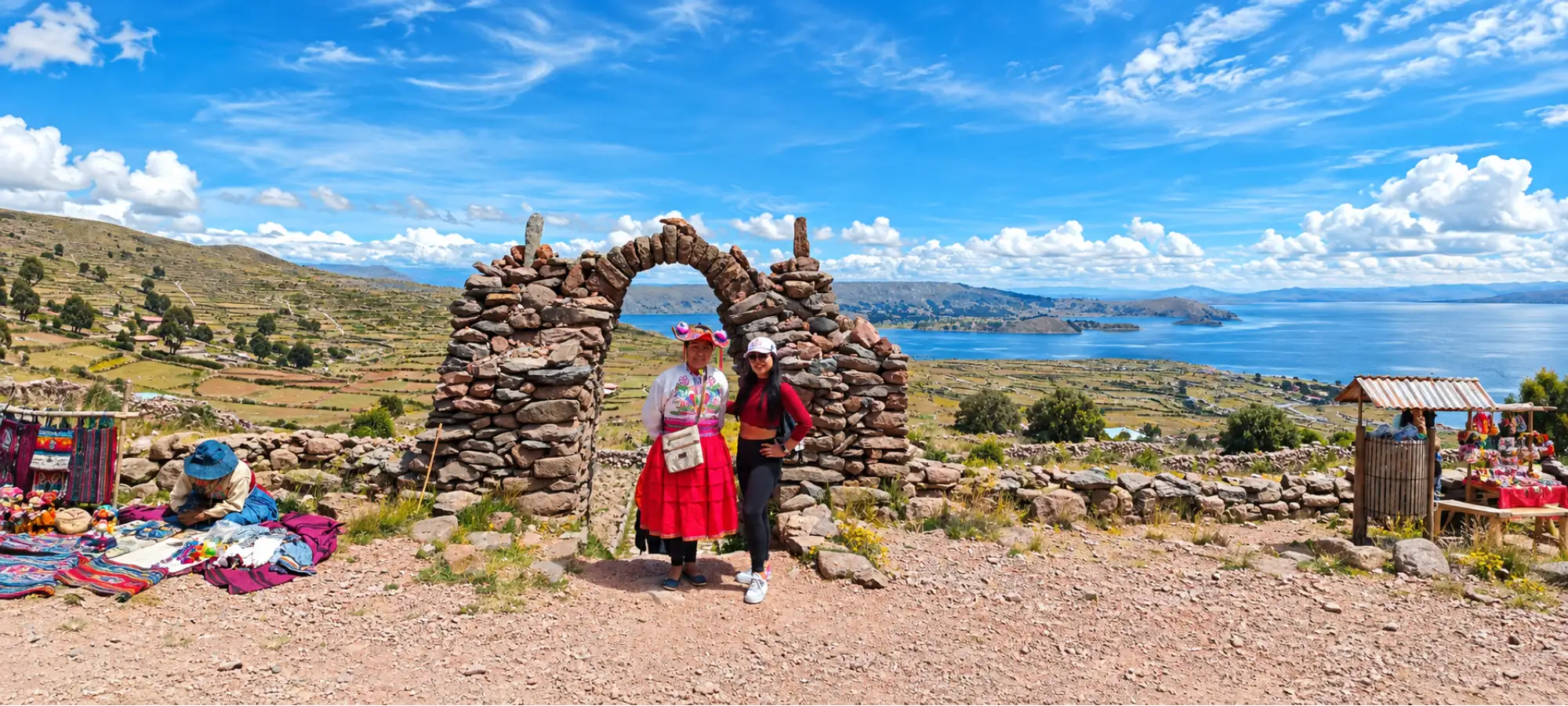
If you are planning a trip to Lake Titicaca from Puno, you may be deciding between Taquile and Amantani. Both are inhabited natural islands on the Peruvian side of the lake, but the experience, time required, and way travelers interact with each community are different.
Taquile is commonly included in full-day trips from Puno and is particularly known for its textile traditions, agricultural landscapes, walking paths, and views across Lake Titicaca. Amantani is better suited to longer itineraries and is often associated with community-based tourism and the possibility of spending a night with a local family.
So, when comparing Taquile vs Amantani, the most important question is not simply which island has more to see. Your available time and whether you prefer a day trip or an overnight experience should play a major role in your decision.
If you have two days available, you do not necessarily need to choose. The Uros, Taquile and Amantani 2-Day Tour combines different islands and communities of Lake Titicaca in a longer itinerary from Puno.
Below, we compare Taquile and Amantani in terms of culture, scenery, walking, overnight stays, and time needed to help you decide which island better fits your Peru itinerary.
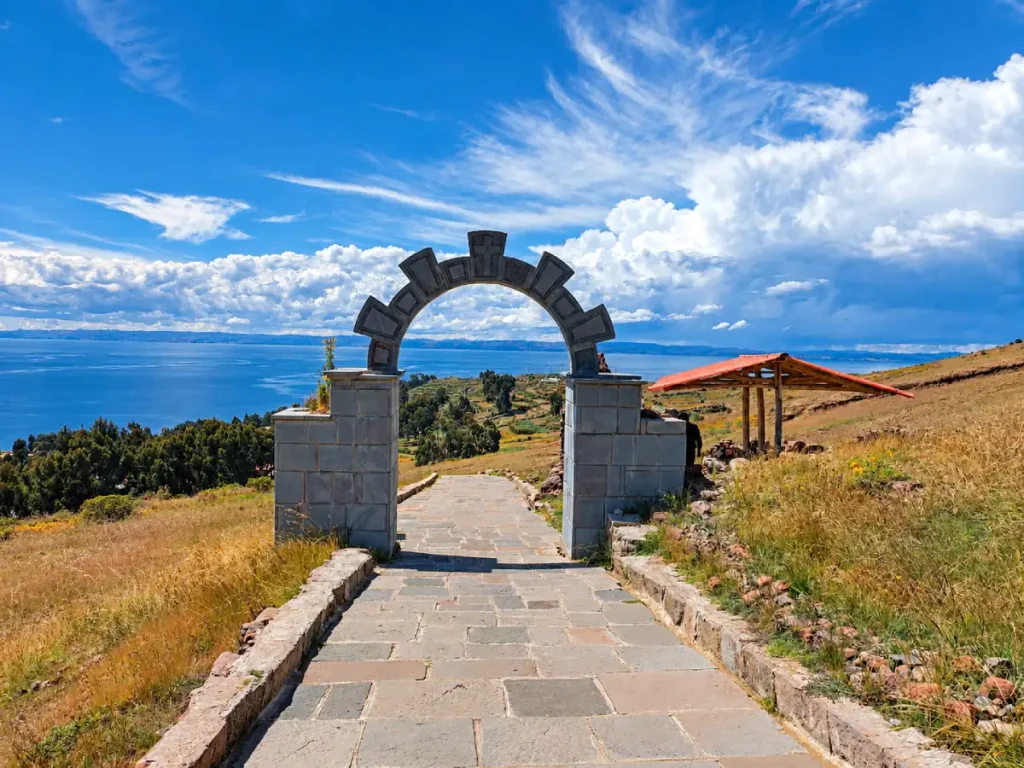
Taquile vs Amantani: Main Differences
At first glance, Taquile and Amantani may seem similar. Both are natural islands, both are home to local communities, and both require traveling farther across Lake Titicaca than the Uros floating islands.
The experience, however, is different.
Taquile is particularly associated with its textile traditions and can be incorporated into a full-day itinerary. Walking across the island is an important part of the visit, allowing travelers to see agricultural landscapes, communities, and wide views over the lake.
Amantani usually works better as part of a longer Lake Titicaca itinerary. Some tours include an overnight stay with a local family, giving travelers more time on the island instead of returning to Puno on the same day.
| Feature | Taquile Island | Amantani Island |
|---|---|---|
| Island type | Natural island | Natural island |
| Typical visit | Day trip | Longer itinerary |
| Known for | Textile traditions and landscapes | Community stays and island life |
| Walking | Yes | Yes |
| Overnight stays | Not usually part of standard day tours | Common on certain multi-day itineraries |
| Time needed | Can be included in a full-day trip | Better with two days available |
| Can they be combined? | Yes | Yes |
For most travelers, time is the clearest practical difference between Taquile and Amantani.
What Is Taquile Island Like?
Taquile is a natural island with walking paths, agricultural areas, homes, and broad views across Lake Titicaca.
One of its most distinctive cultural features is its textile tradition. Textile-making skills have been passed down through generations and remain closely connected with the cultural and social identity of the island.
Travelers interested in this aspect of the island can learn more in our guide to Taquile’s traditional textiles and culture.
Walking is also an important part of visiting Taquile. Depending on the route and arrival point, travelers follow paths with changes in elevation to reach different areas of the island.
Because Lake Titicaca is located at high altitude, walking may feel more demanding than it would at sea level. Maintaining a comfortable pace, staying hydrated, and avoiding unnecessary physical exertion can make the visit easier.
For detailed planning information, see our guide to visiting Taquile Island from Puno.
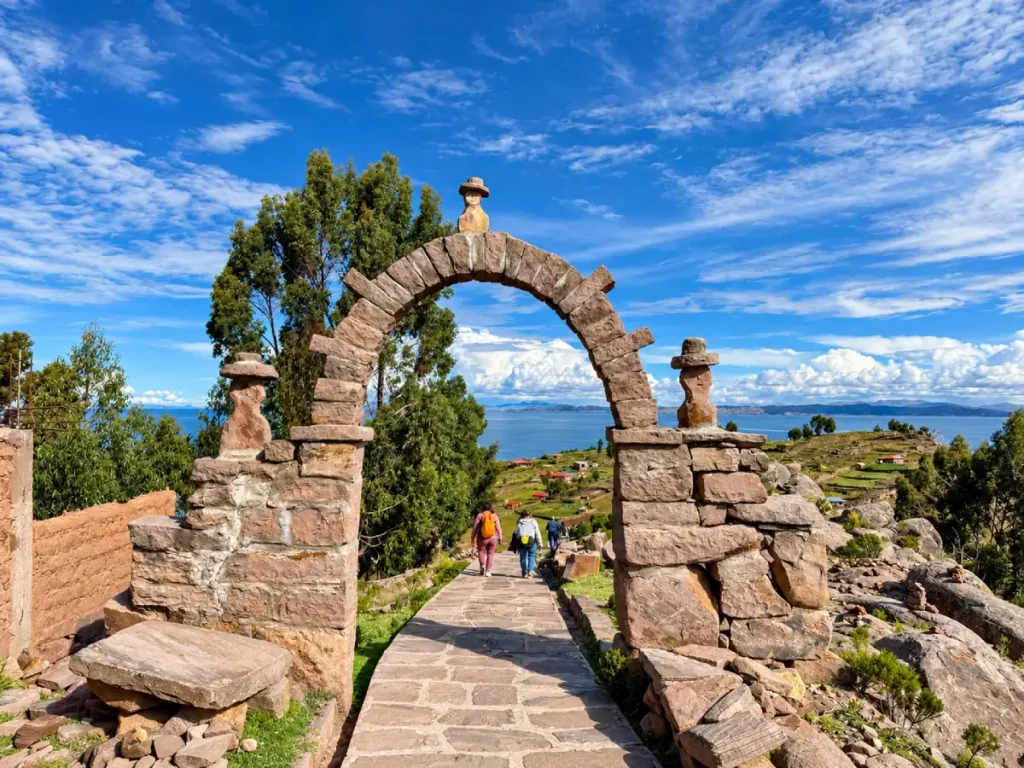
What Is Amantani Island Like?
Amantani is also a natural inhabited island, but it is generally experienced differently from Taquile.
One of the main reasons travelers include Amantani in their itinerary is the opportunity to spend more time within a local community. Certain multi-day trips include an overnight stay hosted by families on the island.
These stays are different from conventional hotel accommodation. Facilities are generally simpler, and the experience is connected with community-based tourism rather than a traditional hotel stay.
If you want to understand the island before deciding whether to include it in your itinerary, read our Amantani Island guide.
For more specific information about staying with a local family, see what to expect from an Amantani homestay.
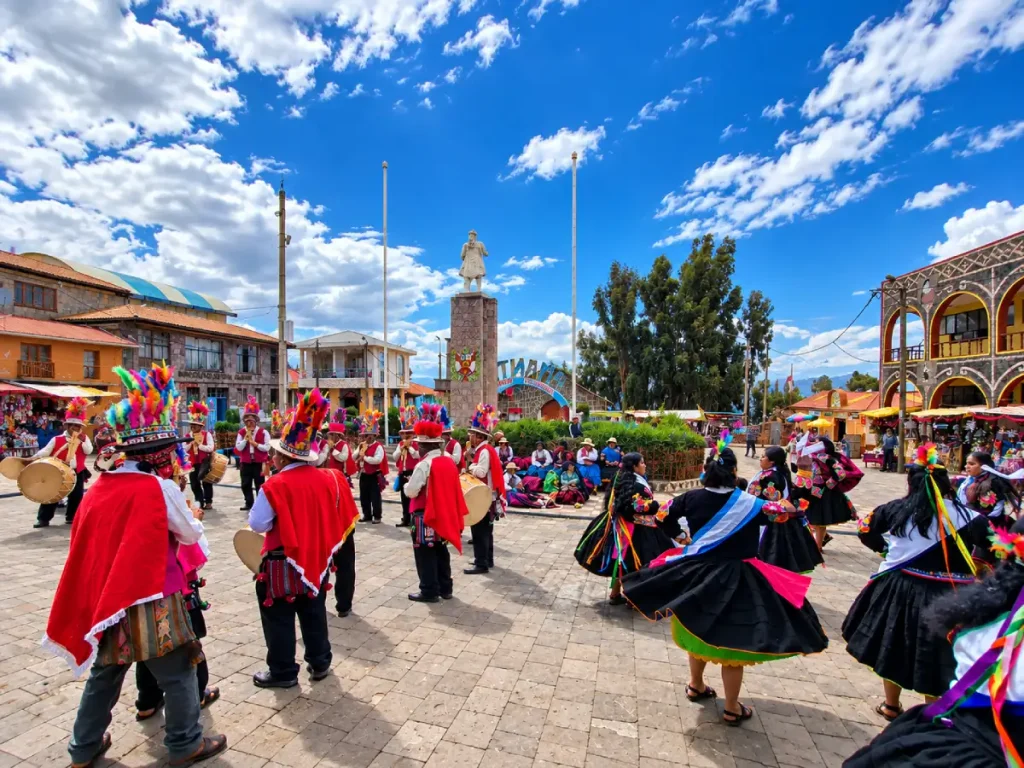
Taquile or Amantani: Which Is Better for a Day Trip?
If you only have one full day to explore Lake Titicaca, Taquile generally fits more naturally into a day-trip itinerary.
Taquile can be combined with the Uros Islands before returning to Puno later the same day. This makes it possible to experience both the floating islands and a natural island without adding an overnight stay to your travel plans.
Travelers with one day available can consider the Uros and Taquile Full Day Tour.
Amantani makes more sense when you can dedicate additional time to Lake Titicaca. Trying to include the island in an overly compressed itinerary would mean spending a significant portion of the day traveling by boat while reducing the time available on the island itself.
If you are unsure how to distribute your days in the region, the Puno Travel Guide provides broader information for planning your stay.
Amantani for an Overnight Stay on Lake Titicaca
The opportunity to spend a night on the island is one of the clearest differences between Amantani and a conventional visit to Taquile.
On certain itineraries, visitors stay in simple accommodation provided by local families. This changes the pace of the trip considerably.
Instead of navigating back to Puno at the end of the day, travelers remain on the island and continue exploring Lake Titicaca the following morning.
For travelers interested in spending more time within an island community rather than completing a same-day excursion, this can be an important reason to include Amantani.
Our guide to staying with a local family on Amantani provides more specific information about this type of experience.
If you have two days available, the Uros, Taquile and Amantani 2-Day Tour allows you to incorporate Amantani into a broader Lake Titicaca itinerary.
Taquile for Traditional Textiles and Culture
Travelers particularly interested in traditional textiles should pay close attention to Taquile.
Textile-making on the island is not simply an activity developed for tourism. Techniques, garments, and textile knowledge form part of the community’s cultural identity and have been transmitted between generations.
Different garments can also have cultural and social meanings within the community. This makes Taquile especially interesting for travelers interested in living traditions, weaving, craftsmanship, and Andean culture.
You can explore this subject in more detail in our guide to Taquile’s textile traditions.
The cultural experience on Taquile is therefore different from an overnight community stay on Amantani. Neither replaces the other; they emphasize different aspects of life on Lake Titicaca.
Which Requires More Walking: Taquile or Amantani?
Both islands involve walking, and both have changes in elevation.
It would be misleading to describe either Taquile or Amantani as an effortless visit. Lake Titicaca sits at more than 3,800 meters above sea level, so physical activity may feel more demanding for some travelers.
On Taquile, walking between different parts of the island is an important part of the experience. Paths cross agricultural areas and connect communities and viewpoints.
Amantani also has uphill and downhill sections, and some routes can involve walking toward higher areas of the island.
For either destination, it is sensible to:
- wear comfortable walking shoes;
- walk at a relaxed pace;
- carry water;
- use sun protection;
- bring warm layers;
- avoid unnecessary physical exertion.
Walking difficulty alone should therefore not be the deciding factor between Taquile and Amantani.
Taquile vs Amantani for Local Culture
Both islands offer opportunities to learn about local communities, but the format and duration of the experience differ.
On Taquile, a typical visit introduces travelers to aspects of community life and, particularly, the island’s textile traditions. Because Taquile is often visited during a day trip, there is usually a defined schedule before continuing the journey.
Amantani can involve a longer stay. When the itinerary includes accommodation with a local family, travelers spend more time within the community rather than visiting for only a few hours.
That does not make one island “more authentic” than the other. Both are living communities with their own histories, traditions, and ways of organizing tourism.
The more useful distinction for travelers is how much time they want to spend on the island and what type of experience they prefer.
Can You Visit Taquile and Amantani on the Same Trip?
Yes. If you have two days available, visiting both islands can make more sense than choosing only one.
A multi-day Lake Titicaca itinerary can combine Uros, Amantani, and Taquile, providing three different environments within the same region.
Uros introduces travelers to the floating islands built primarily with totora reeds. Amantani allows for a longer community-based stay, while Taquile adds its natural landscapes and strong textile traditions.
The Uros, Taquile and Amantani 2-Day Tour is designed for travelers who want to experience these destinations without trying to fit everything into a single day.
If you are deciding between a shorter Lake Titicaca itinerary and a full-day excursion, you can also read Uros vs Taquile: Which Island Should You Visit?
Taquile, Amantani or Uros: Which Should You Visit?
Your available time provides a useful starting point.
If you only have a few hours, Uros is generally easier to reach because the floating islands are much closer to Puno.
With one full day, Uros and Taquile can be combined. With two days and one night, the itinerary can extend farther across Lake Titicaca and include Amantani as well.
A simple way to compare the options is:
- Half day: Uros
- One full day: Uros + Taquile
- Two days / one night: Uros + Amantani + Taquile
The objective should not simply be to visit as many islands as possible. A well-planned itinerary should provide enough time to understand the differences between the places you visit rather than turning the trip into a series of rushed stops.
If you want to compare the different experiences offered from Puno, browse the Puno tours available with Top Inka Travel.
How Many Days Do You Need for Taquile and Amantani?
If you want to experience both islands without compressing the itinerary too much, two days is the more practical approach.
Boat journeys account for a significant part of travel time on Lake Titicaca, particularly when visiting islands farther from Puno.
A two-day itinerary allows the journey to be distributed more comfortably, includes time on Amantani, and makes it possible to continue toward Taquile before returning to Puno.
If you are still deciding how many days to spend in the region, our Puno Travel Guide can help you organize the wider itinerary.
You can also explore the best things to do in Puno if you plan to spend additional time in the city and surrounding region.
Our Lake Titicaca travel guide will provide more specific information about the lake itself, its islands, altitude, weather, and trip planning.
So, Taquile or Amantani?
If you have only one day and want to return to Puno that same day, Taquile fits more naturally into a standard Lake Titicaca day-trip itinerary.
If you have two days and are interested in spending a night within an island community, Amantani offers a different type of experience.
With two days available, however, the decision does not need to be either-or.
Combining Amantani and Taquile allows you to experience two natural islands with different cultural characteristics and travel rhythms. Adding Uros creates an even broader introduction to the Peruvian side of Lake Titicaca.
For a multi-day itinerary, see the Uros, Taquile and Amantani 2-Day Tour from Top Inka Travel.
Frequently Asked Questions About Taquile and Amantani
Are Taquile and Amantani the same island?
No. Taquile and Amantani are two separate natural islands on Lake Titicaca. Both are inhabited, but they have different cultural characteristics and are commonly visited through different types of itineraries.
Which can I visit on a day trip from Puno?
Taquile is commonly included in full-day itineraries that return to Puno on the same day. Amantani is more commonly incorporated into longer trips, particularly itineraries lasting two days and one night.
Can you stay overnight on Amantani Island?
Yes. Certain itineraries include simple accommodation hosted by local families on Amantani. The facilities and services should be checked with the tour operator because this type of stay is different from conventional hotel accommodation.
Can you stay overnight on Taquile Island?
Accommodation is available on Taquile, although standard tours from Puno usually visit the island during the day. Travelers specifically planning an overnight stay should organize it separately and confirm availability in advance.
Which island is known for traditional textiles?
Taquile is particularly known for its textile traditions. Textile-making knowledge, techniques, and garments form an important part of the island’s cultural identity.
Do Taquile and Amantani require a lot of walking?
Both involve walking and changes in elevation. Because the islands are located at high altitude, travelers should walk at a comfortable pace, stay hydrated, and wear suitable footwear.
Can I visit Uros, Taquile and Amantani on the same trip?
Yes. Multi-day itineraries can combine the Uros floating islands with Amantani and Taquile. Two days and one night provides considerably more time for this type of route than trying to visit the islands in a single day.