Ollantaytambo is one of the most fascinating places in Peru’s Sacred Valley. Many travelers know it for the impressive Ollantaytambo ruins or as a departure point for trains to Machu Picchu, but there is much more to discover behind its stone streets.
Ancient water channels still flow through town, Inca walls remain part of modern buildings, and enormous stone blocks were transported across the valley to construct monumental structures.
These interesting facts about Ollantaytambo reveal why the town deserves to be explored rather than treated simply as a stop on the way to Machu Picchu.
1. Ollantaytambo Is Known as a Living Inca Town
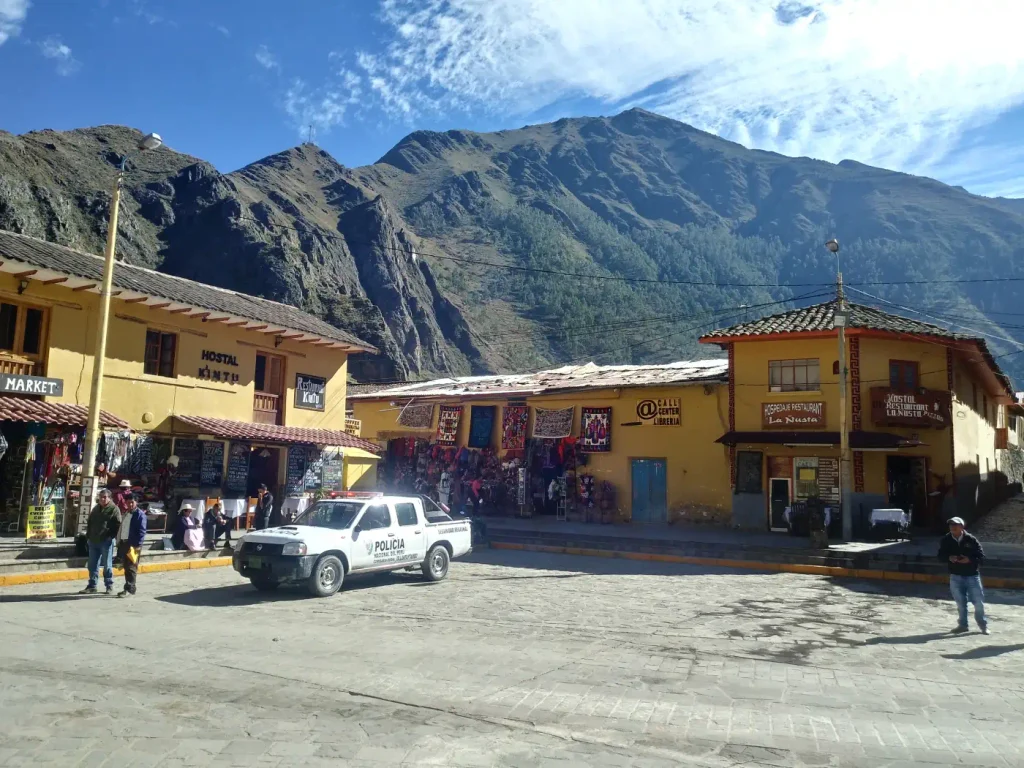
One of the most interesting Ollantaytambo facts is that elements of its original Inca urban layout are still part of everyday life.
Narrow streets, stone walls, courtyards and water channels remain integrated into the modern town.
For this reason, Ollantaytambo is often described as a living Inca town.
Walking through its historic streets gives visitors the unusual opportunity to experience Inca urban planning outside the boundaries of an archaeological site.
2. Its Streets Preserve Inca Urban Planning
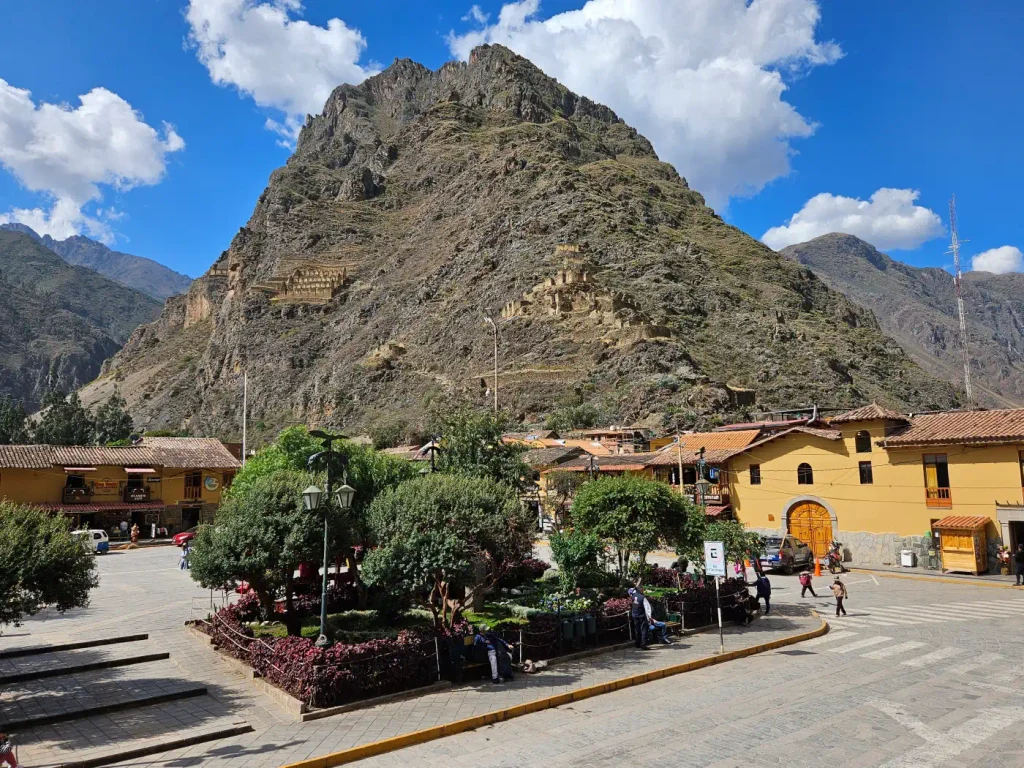
The historic center of Ollantaytambo retains important features associated with its Inca past.
Stone streets and residential blocks follow a structured layout that reflects the way the settlement was organized centuries ago.
This makes simply walking through town one of the most interesting things to do in Ollantaytambo.
You don’t need to enter the archaeological site to begin seeing traces of its history.
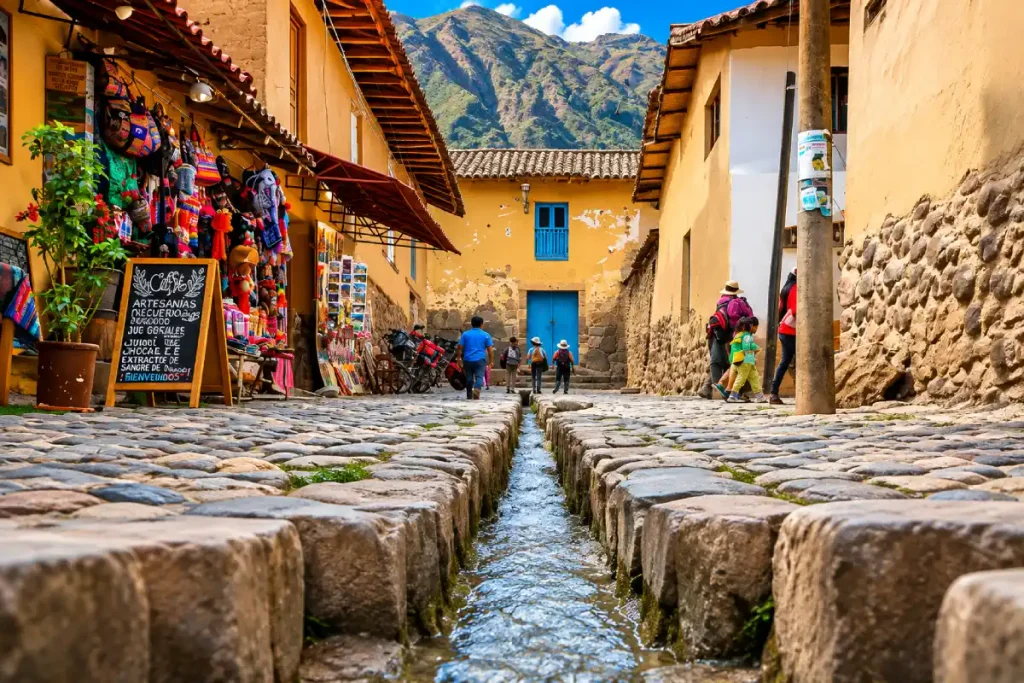
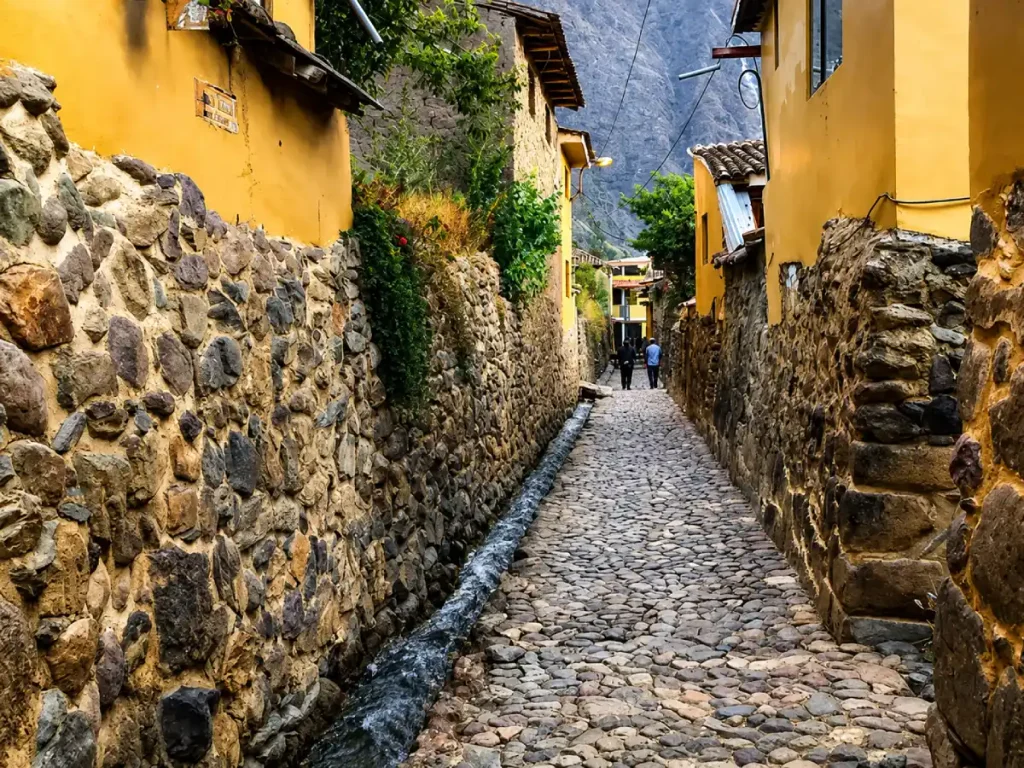
3. Ancient Water Channels Still Flow Through Town
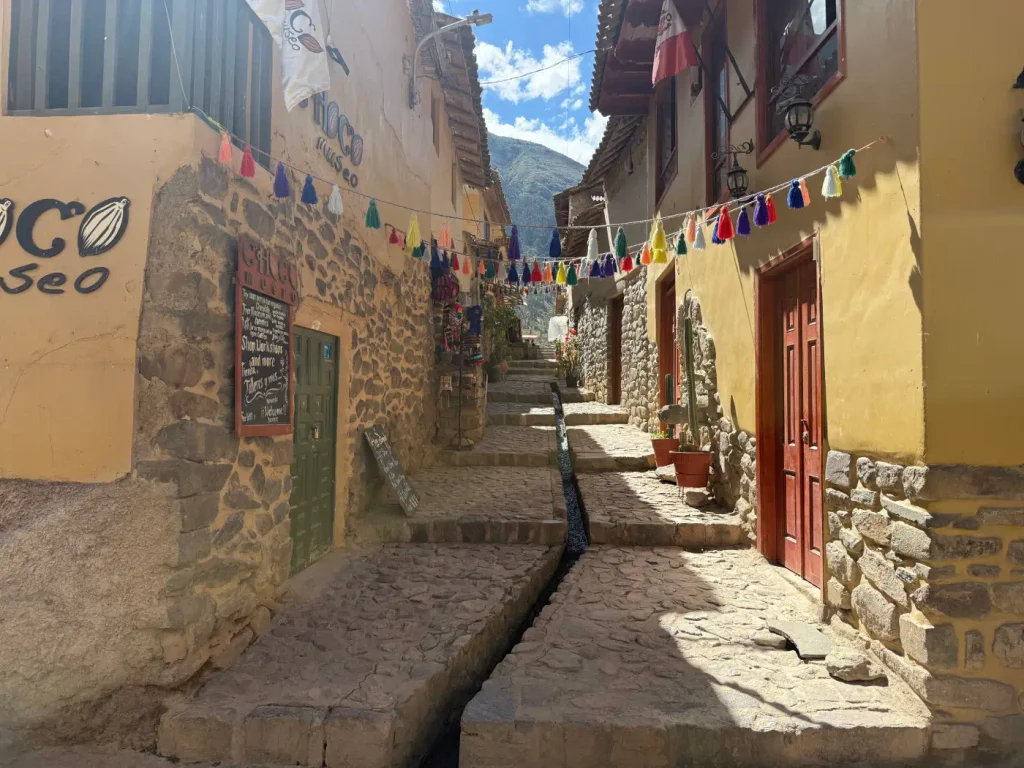
As you walk through Ollantaytambo, you’ll often hear water running alongside the streets.
These Ollantaytambo water channels are one of the clearest examples of how historical infrastructure remains integrated into the modern town.
Water continues to flow through several sections, creating one of Ollantaytambo’s most distinctive features.
It’s a fascinating reminder of the sophisticated relationship between Inca settlements and water management.
4. Ollantaytambo Played an Important Role in Inca Resistance
The history of Ollantaytambo became particularly significant during the conflicts following the Spanish arrival.
In 1537, forces led by Manco Inca successfully resisted a Spanish attack at Ollantaytambo.
The mountainous terrain and elevated defensive positions provided important advantages.
Although subsequent events changed the course of the resistance, the battle made Ollantaytambo an important location in the history of the final decades of the Inca state.

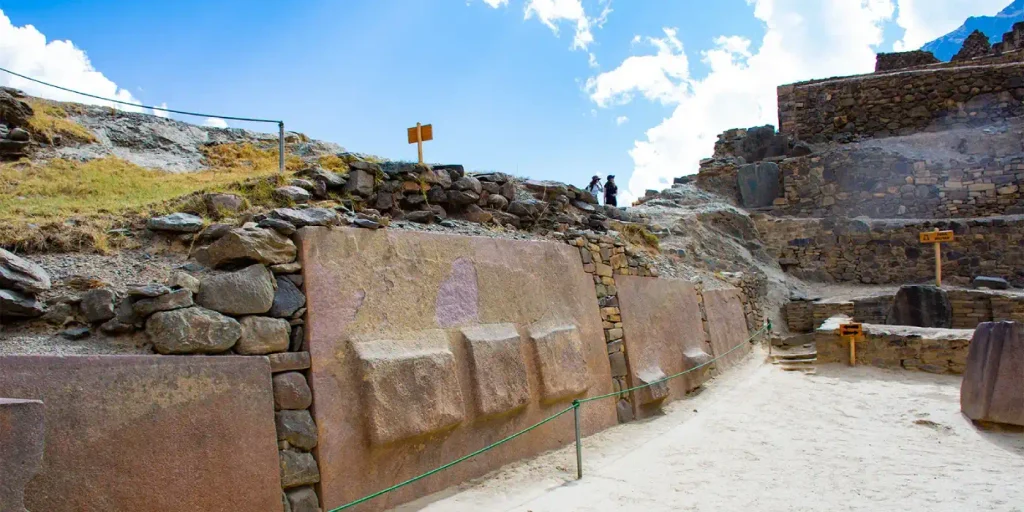
5. The Temple of the Sun Contains Enormous Stones
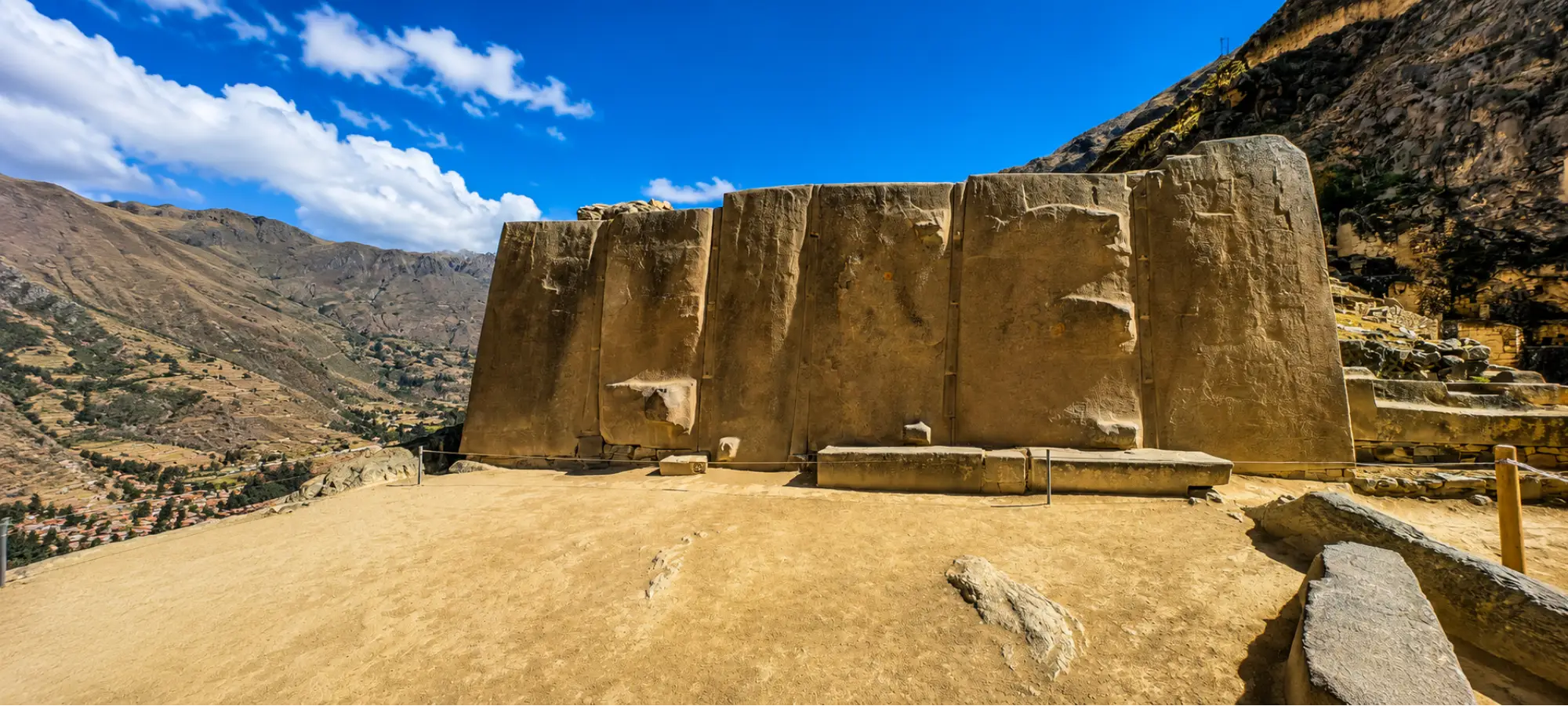
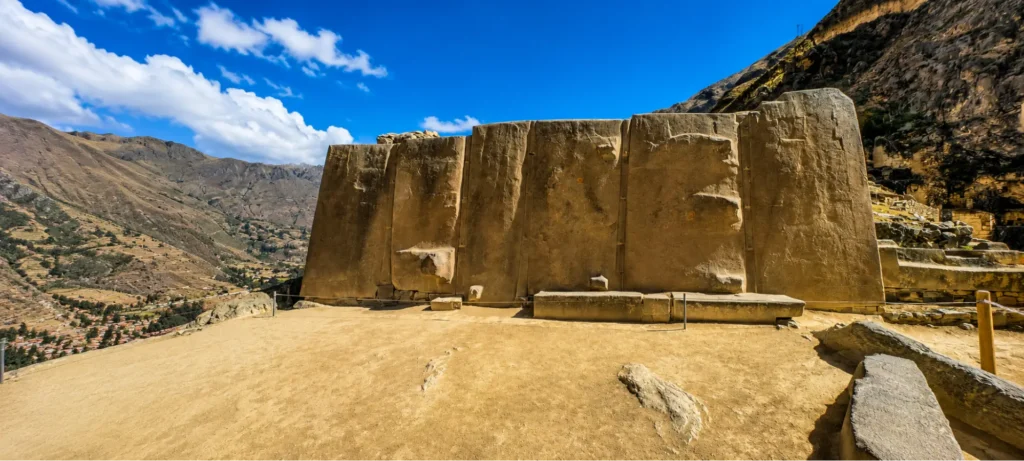
One of the highlights of the Ollantaytambo archaeological site is the area traditionally known as the Temple of the Sun.
Here, visitors can see enormous stone blocks positioned high above the valley.
Their scale and workmanship immediately raise an obvious question: how did the Incas move such massive stones through mountainous terrain?
The answer becomes even more impressive when you look across the valley.
6. Some Stones Came From the Opposite Side of the Valley
Some of the monumental stones used at Ollantaytambo were quarried from mountains across the valley from the archaeological site.
Transporting these blocks required moving enormous amounts of stone through difficult Andean terrain before bringing them up toward the construction areas.
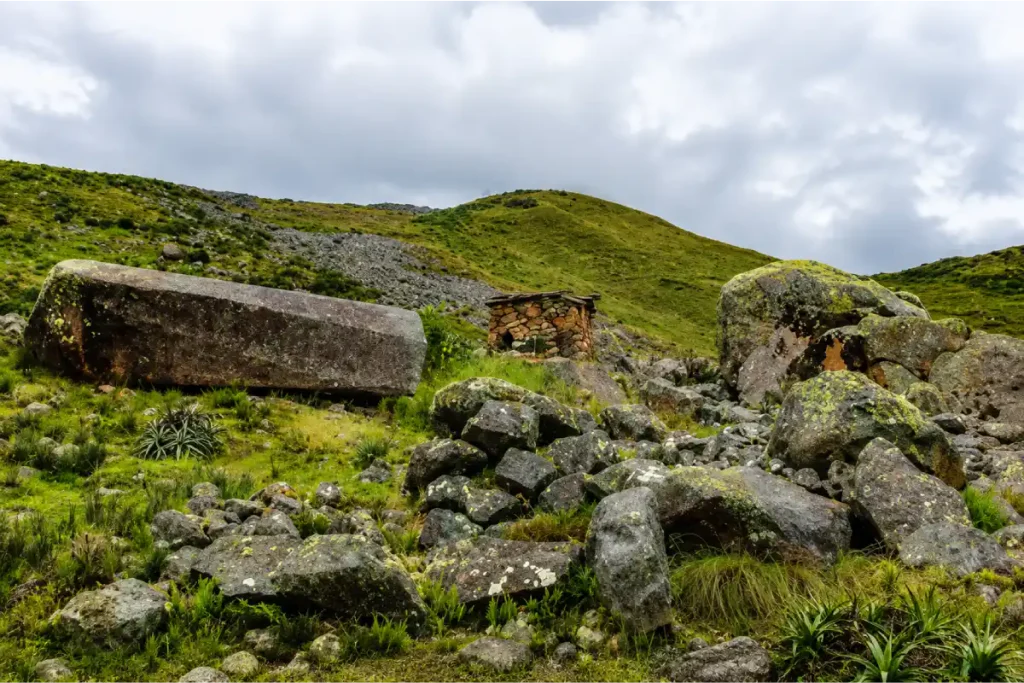
Along the wider landscape, unfinished or abandoned stones provide clues about this process.
This is one of the most remarkable facts about the Ollantaytambo ruins and highlights the scale of Inca engineering.
7. Parts of Ollantaytambo Were Never Finished
Another fascinating detail is that some monumental areas appear to have remained unfinished.
This allows visitors to see evidence of different stages of construction and stoneworking.
The Spanish invasion and the political upheaval of the 16th century dramatically disrupted the Inca world, affecting projects that were still under development.
Today, these unfinished elements make the archaeological site particularly valuable for understanding how massive stones were prepared and moved.
8. There Are Inca Storehouses on the Mountain
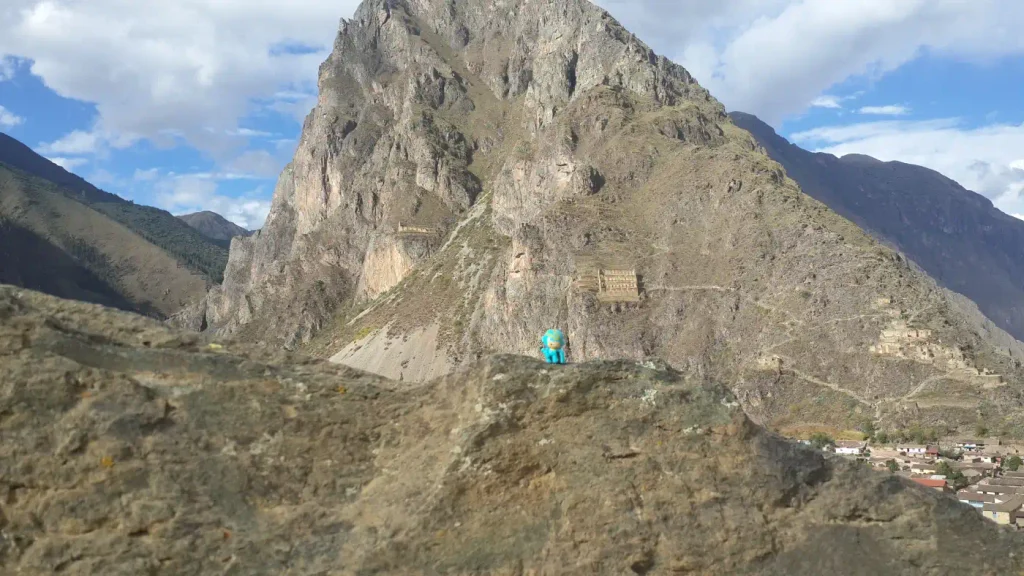
When exploring the Ollantaytambo ruins, look at the mountain opposite the main archaeological complex.
You can see structures built high on the slopes.
These are generally identified as Inca storehouses, or qollqas, which were used to store agricultural products and other supplies.
Their elevated position helped take advantage of environmental conditions for storage.
The structures remain clearly visible from the town and are an important part of Ollantaytambo’s distinctive mountain landscape.
9. Ollantaytambo Is More Than a Train Station for Machu Picchu
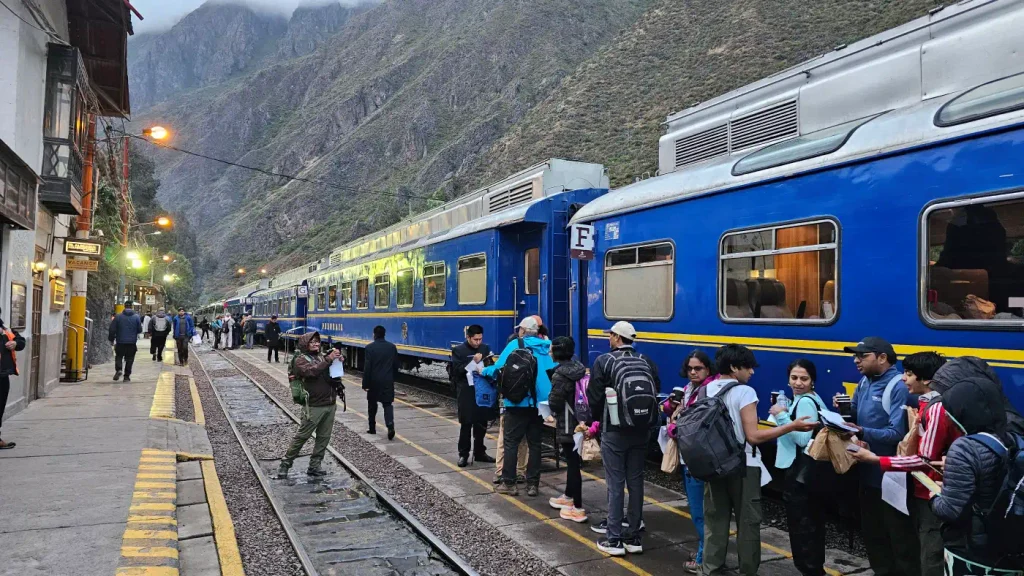
Many travelers arrive at Ollantaytambo train station simply to continue their journey toward Machu Picchu.
That can be a missed opportunity.
The archaeological site, Inca streets, water channels, mountain scenery and historic center make Ollantaytambo a destination worth exploring on its own.
If your itinerary allows it, spending several hours or even staying overnight can provide a much more complete experience than arriving only shortly before your train.
10. Ollantaytambo Is One of the Highlights of the Sacred Valley
Ollantaytambo is located in the Sacred Valley of the Incas, making it easy to combine with other historical destinations around Cusco.
Depending on your itinerary, Pisac, Chinchero, Maras and Moray can also be included while exploring the region.
Visiting several places provides a broader understanding of how the Incas adapted architecture, agriculture and settlements to different Andean landscapes.
Our Sacred Valley travel guide can help you decide which destinations to combine with Ollantaytambo.
Why Is Ollantaytambo So Special?
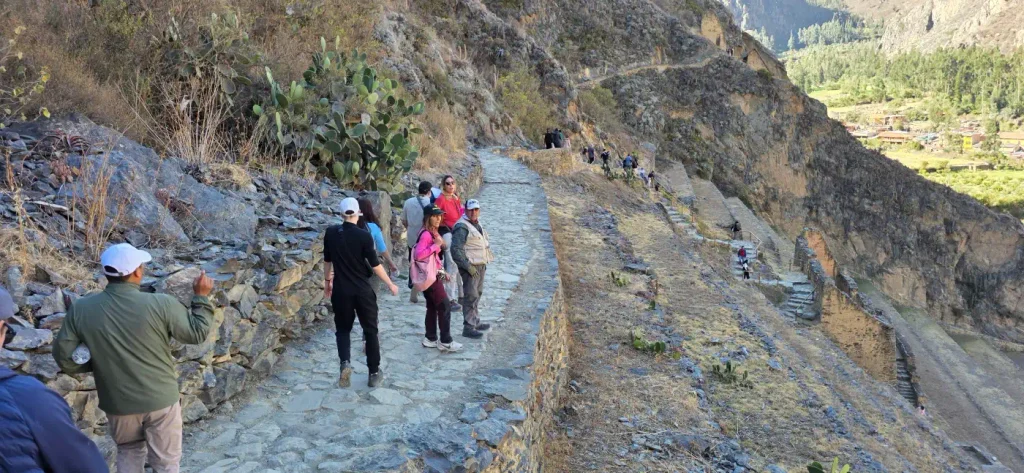
What makes Ollantaytambo unusual is the connection between its archaeological heritage and the town that exists today.
You can walk beside ancient water channels, explore streets that preserve elements of Inca planning and then climb through the monumental Ollantaytambo archaeological site overlooking the valley.
Its location also makes it an important connection point between the Sacred Valley and Machu Picchu.
Rather than treating Ollantaytambo simply as somewhere to catch a train, taking time to explore the town reveals one of the most interesting historical destinations near Cusco.
Frequently Asked Questions About Ollantaytambo
Why is Ollantaytambo called a living Inca town?
Because elements of its Inca street layout, stone walls and water channels remain integrated into the modern town and continue to be part of everyday life.
What are the best things to see in Ollantaytambo?
Highlights include the Ollantaytambo ruins, Inca terraces, Temple of the Sun area, historic streets, ancient water channels and mountain storehouses.
Is Ollantaytambo in the Sacred Valley?
Yes. Ollantaytambo is one of the main destinations in the Sacred Valley of the Incas.
Is Ollantaytambo worth visiting?
Yes. It combines an important archaeological site with a historic town, Inca engineering and impressive Andean scenery.
Is Ollantaytambo only for taking the train to Machu Picchu?
No. Although many Machu Picchu trains depart from Ollantaytambo, the town itself is worth exploring for its history, archaeology and preserved Inca features.
Discover Ollantaytambo Beyond the Ruins
These Ollantaytambo facts show why this Sacred Valley town deserves more than a quick stop.
Its ancient streets, functioning water channels, monumental stones, archaeological complex and role in Inca history make Ollantaytambo one of the most fascinating destinations around Cusco.
Continue planning your visit with our Ollantaytambo travel guide and Sacred Valley guide to learn more about what to see and how to organize your itinerary.
You can also explore Ollantaytambo on a Sacred Valley tour from Cusco and combine it with other important destinations in the region.