
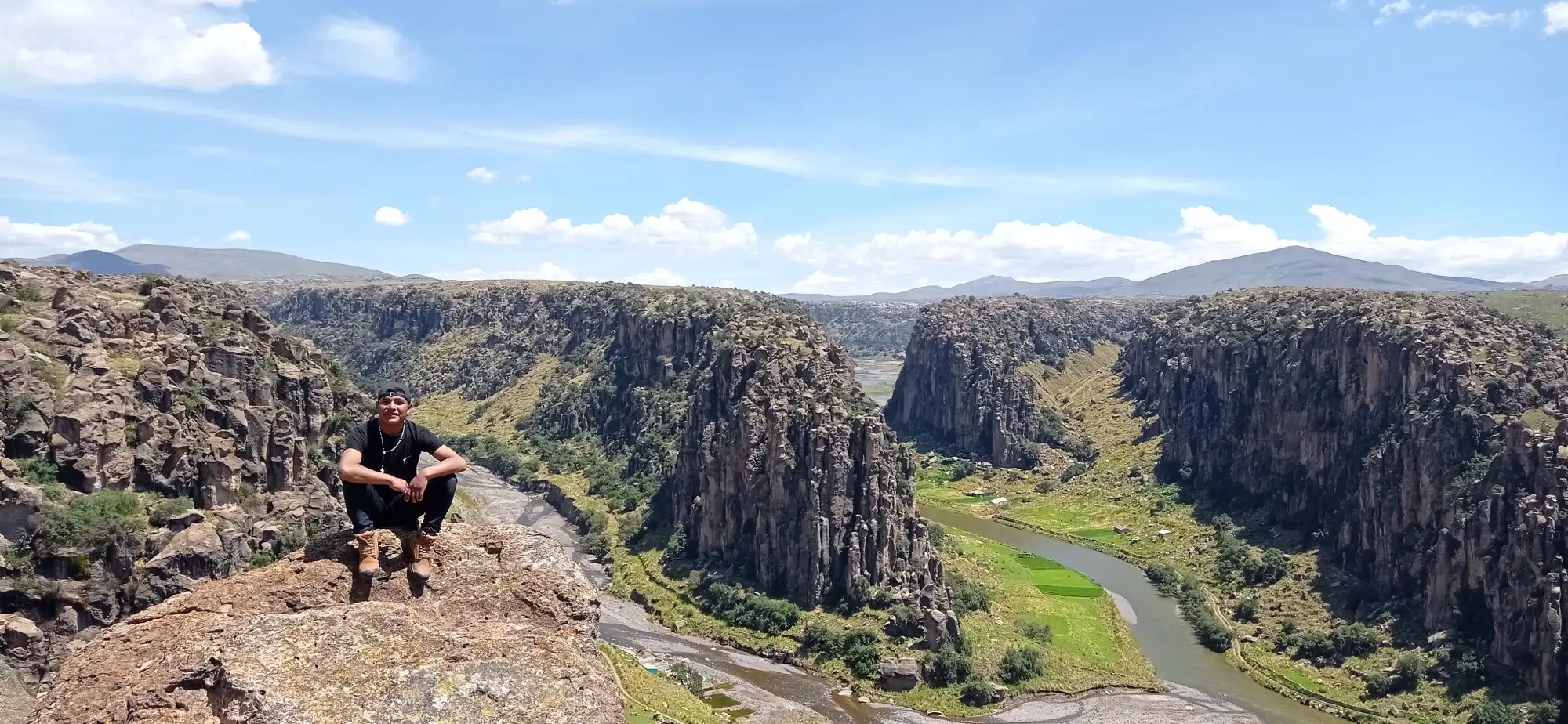
When travelers plan a trip to Cusco, their itinerary usually includes famous destinations such as Machu Picchu, Rainbow Mountain or the Sacred Valley. However, beyond these well-known attractions lies a landscape that remains largely undiscovered by international visitors: the Three Canyons of Suykutambo.
Located in the province of Espinar, in southern Cusco, this remarkable natural wonder offers dramatic rock formations, deep canyons and breathtaking viewpoints that showcase a different side of the Peruvian Andes. For travelers seeking unique places in Peru and destinations away from the crowds, the Three Canyons provide an unforgettable experience.
Although the site has gained attention in recent years, it still remains one of the region’s best-kept secrets, making it an excellent choice for those who enjoy nature, photography and lesser-known travel experiences.
What Are the Three Canyons of Suykutambo?
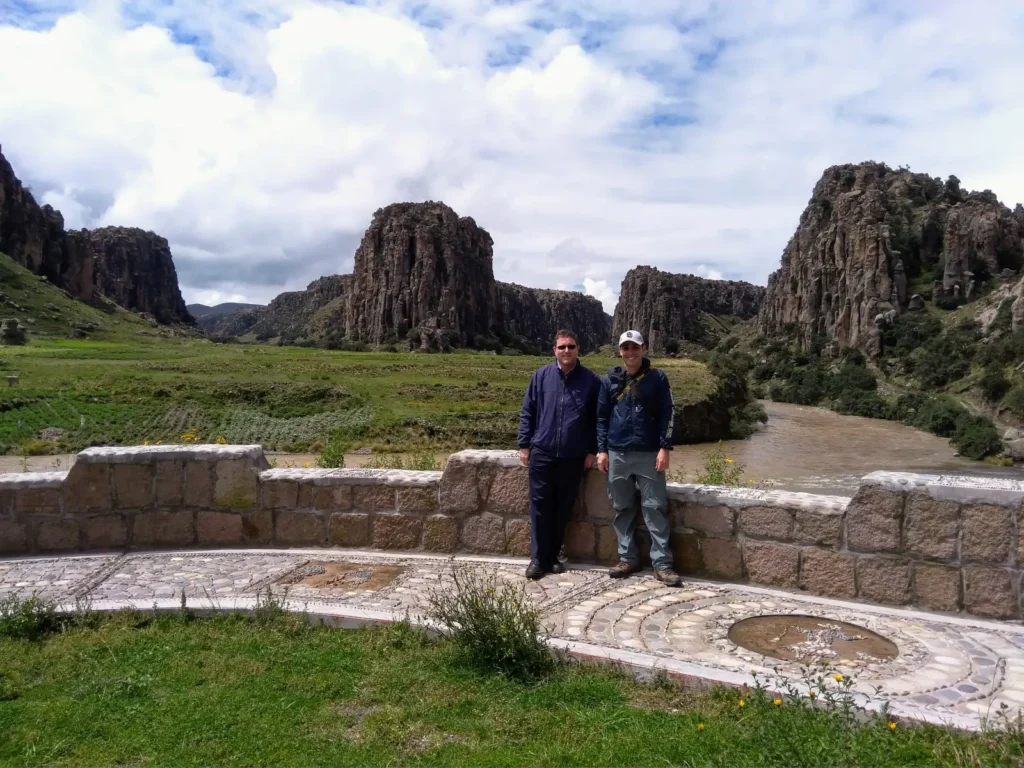
The Three Canyons of Suykutambo are a geological formation created over thousands of years by the constant action of rivers cutting through volcanic rock and high-altitude terrain.
The landscape is defined by the meeting of three impressive canyons formed by the Apurímac, Callumani and Cerritambo rivers. As these waterways carved their path through the mountains, they created steep cliffs, narrow gorges and dramatic rock walls that dominate the scenery today.
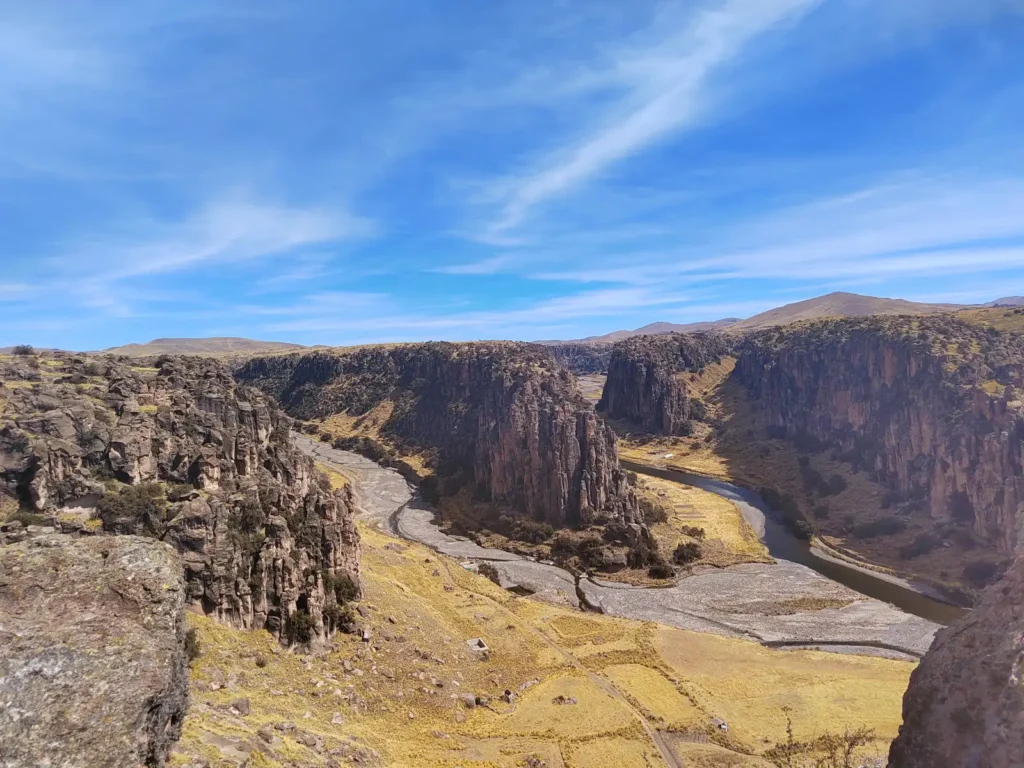
From the main viewpoints, visitors can appreciate the immense scale of the canyons and observe how the rivers continue shaping the landscape below.
As a result, the area is considered one of the most impressive natural attractions in Cusco and one of the most striking canyon landscapes in Peru.
A Different Side of Cusco
Most visitors associate Cusco with Inca history and archaeological sites. However, the Three Canyons reveal a completely different side of the region.
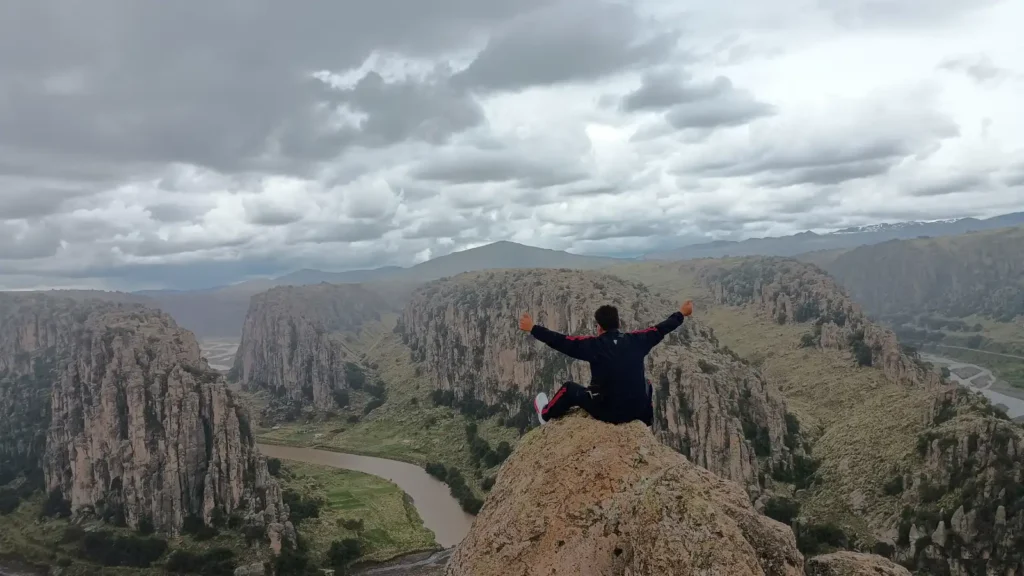
Instead of ancient temples and stone citadels, travelers encounter vast open landscapes, rugged mountains and dramatic geological formations that stretch across the Andean plateau.
Moreover, the area receives significantly fewer visitors than many of Cusco’s famous attractions. This allows travelers to enjoy the scenery in a peaceful environment and experience the natural beauty of the region without large crowds.
During a visit, it is possible to admire:
- Deep canyon formations.
- Towering rock walls.
- Scenic Andean valleys.
- High-altitude grasslands.
- Panoramic viewpoints overlooking the rivers below.
For this reason, many travelers describe the Three Canyons as one of the most surprising hidden gems in southern Peru.
Wildlife and Natural Beauty
Beyond its geological significance, the region is also home to a variety of Andean wildlife.
Depending on the season, visitors may encounter:
- Alpacas grazing across the highlands.
- Llamas roaming the surrounding plains.
- Vizcachas among the rocky formations.
- Native bird species.
- Condors soaring above the canyon walls.
In addition, the changing light throughout the day creates spectacular conditions for landscape photography. Early morning and late afternoon are particularly rewarding for capturing the scale and beauty of the canyon system.
How to Visit the Three Canyons of Suykutambo
The Three Canyons are located in the province of Espinar, several hours south of the city of Cusco.
Most visitors reach the area by road as part of a guided excursion or private tour. The journey itself offers beautiful views of rural Andean communities, mountain scenery and open highland landscapes.
Furthermore, many travelers choose to combine the Three Canyons with other attractions in Espinar, creating a more complete cultural and natural experience.
Combine Your Visit with Kanamarka and Taqrachullo
One of the greatest advantages of visiting Espinar is the opportunity to explore several remarkable attractions within the same region.
While the Three Canyons are famous for their dramatic scenery, nearby sites such as Kanamarka and Taqrachullo provide valuable insight into the area’s archaeological and cultural heritage.
Consequently, many visitors include all three destinations in a single itinerary. This combination offers a deeper understanding of Espinar, allowing travelers to experience both its natural landscapes and its historical significance.
When Is the Best Time to Visit?
The Three Canyons can be visited throughout the year. However, weather conditions vary depending on the season.
During the dry season, skies are typically clearer and visibility is often better, making it easier to appreciate the panoramic views.
Meanwhile, the rainy season transforms the surrounding landscape into a greener environment, adding vibrant colors to the scenery and increasing the flow of the rivers below.
Therefore, the best time to visit depends largely on the type of experience travelers are looking for.
Is Visiting the Three Canyons Worth It?
Absolutely.
For travelers searching for unique places to visit in Cusco, the Three Canyons of Suykutambo offer an experience that feels very different from the region’s more traditional attractions.
The combination of dramatic landscapes, remote Andean scenery and nearby archaeological sites creates a journey that goes far beyond a typical sightseeing excursion.
Moreover, the area’s peaceful atmosphere allows visitors to appreciate the landscape at a slower pace, making the experience feel more personal and authentic.
Ultimately, the Three Canyons of Suykutambo are one of the most impressive natural destinations in southern Peru and a place that deserves greater recognition among travelers exploring the Andes.