
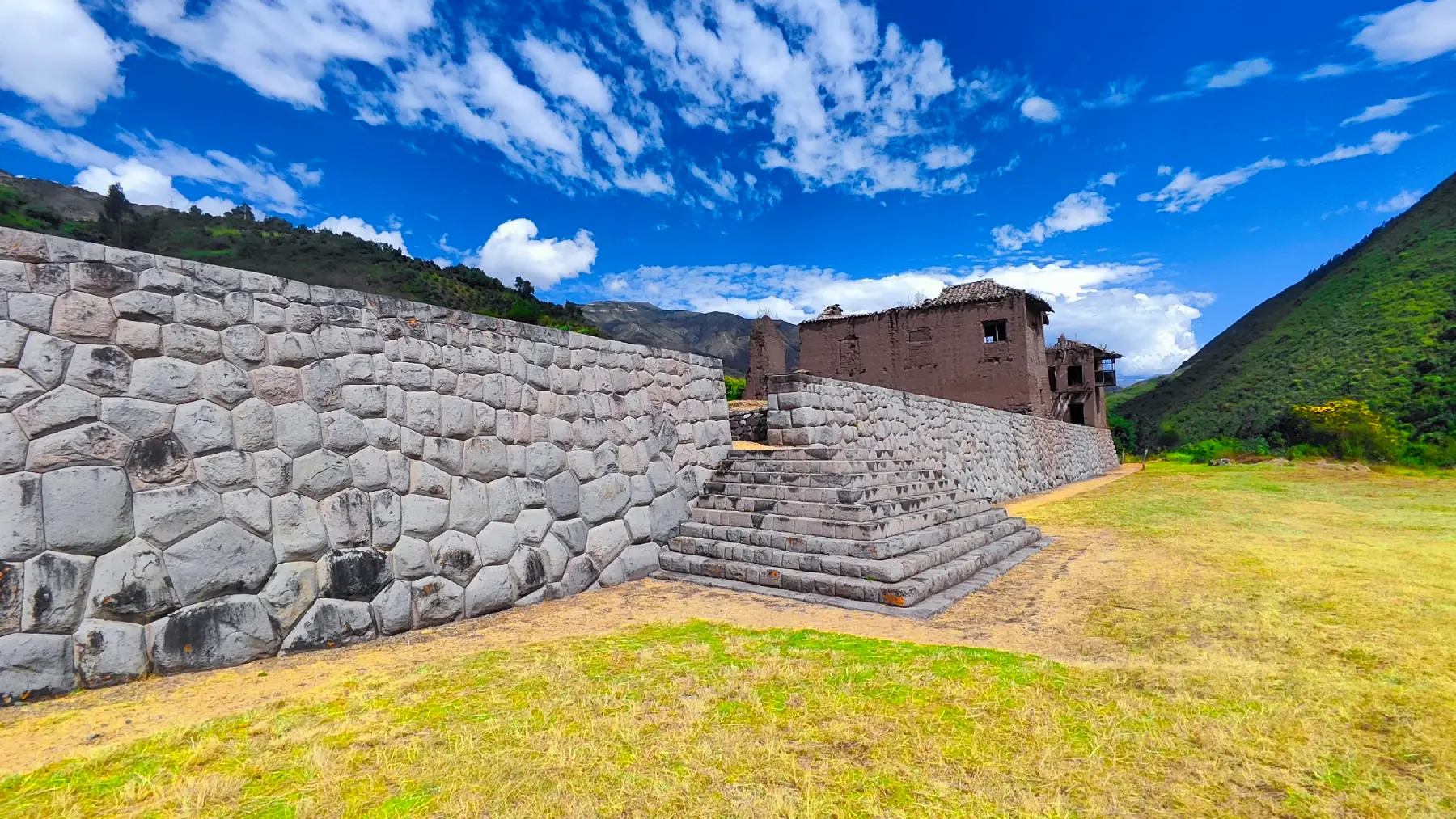
Hello, seeker of living history! I’m part of the Top Inka Travel team, and every time I walk across the platforms of Tarawasi Cusco, it feels like time stops. This place is not just another archaeological site it’s an Inca ceremonial center where the stones seem to whisper stories of epic battles and rituals performed under the Andean sun. Picture a quiet valley, with terraces climbing the hillsides and a temple partially hidden by vegetation that reveals layers of an empire able to unite mountains and people with astonishing precision.
If you’re researching Tarawasi Cusco, Tarawasi ruins, Tarawasi tour, Tarawasi Peru, how to get to Tarawasi, Tarawasi history, or Tarawasi tickets, this guide leads you through one of the most underrated yet powerful archaeological gems in southern Cusco. With updated details for 2026, insights from local explorers, and the charm that makes this site unique, let me show you why Tarawasi is the perfect addition to any Peru itinerary.

The Valley That Remembers: Where Tarawasi Rises
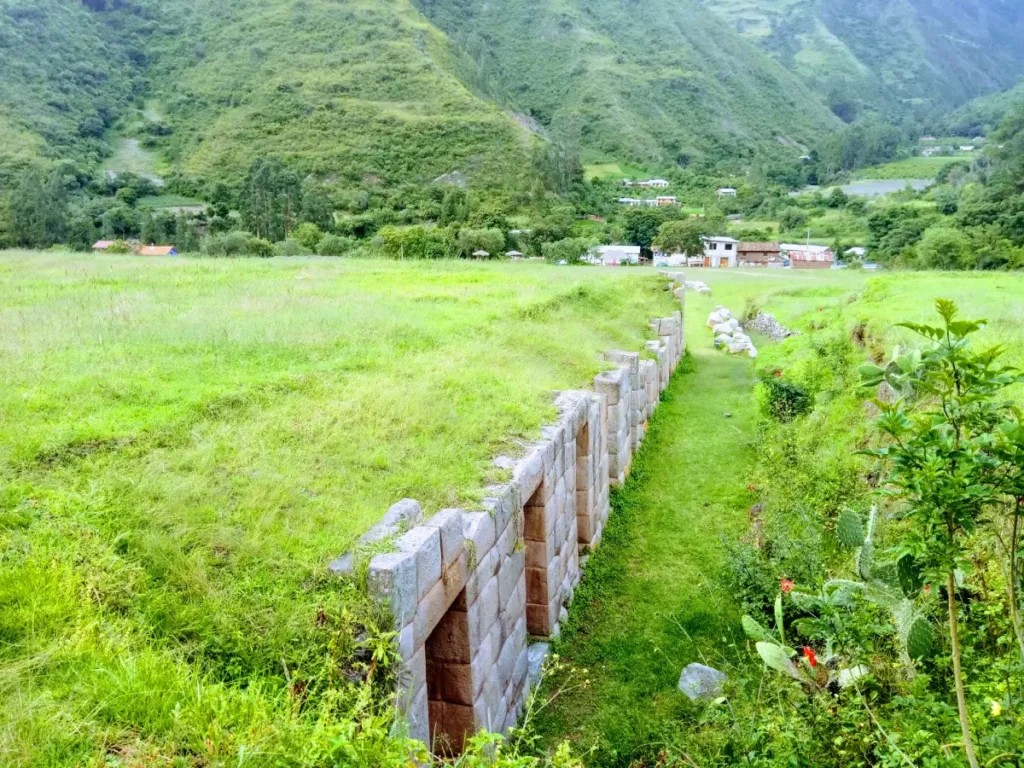
Tarawasi Peru sits in the district of Limatambo, province of Anta, about 77 km northwest of Cusco. At an altitude of 2,800 meters (9,186 ft), the archaeological complex blends into the fertile valley that bears its name, surrounded by corn and quinoa fields still irrigated through ancient Inca terraces.
The name Tarawasi comes from Quechua “Tara” (a sacred shrub used for dyes and medicine) and “Wasi” (house) reflecting its role as a spiritual and administrative center in the heart of the Tawantinsuyu.
Tarawasi wasn’t isolated; it was part of the ancient road connecting Cusco to the Pacific Coast. Its strategic location made it essential for resource control. Getting here feels like a peaceful drive through winding mountain roads, with landscapes shifting from deep green to golden hues at sunset.
A Quechua guide once told me that for the locals, Tarawasi is an “open book” each stone retells how Pachacutec transformed this former Chanka territory into a stronghold of imperial peace.
The Soul Carved in Stone: Inside the Tarawasi Complex
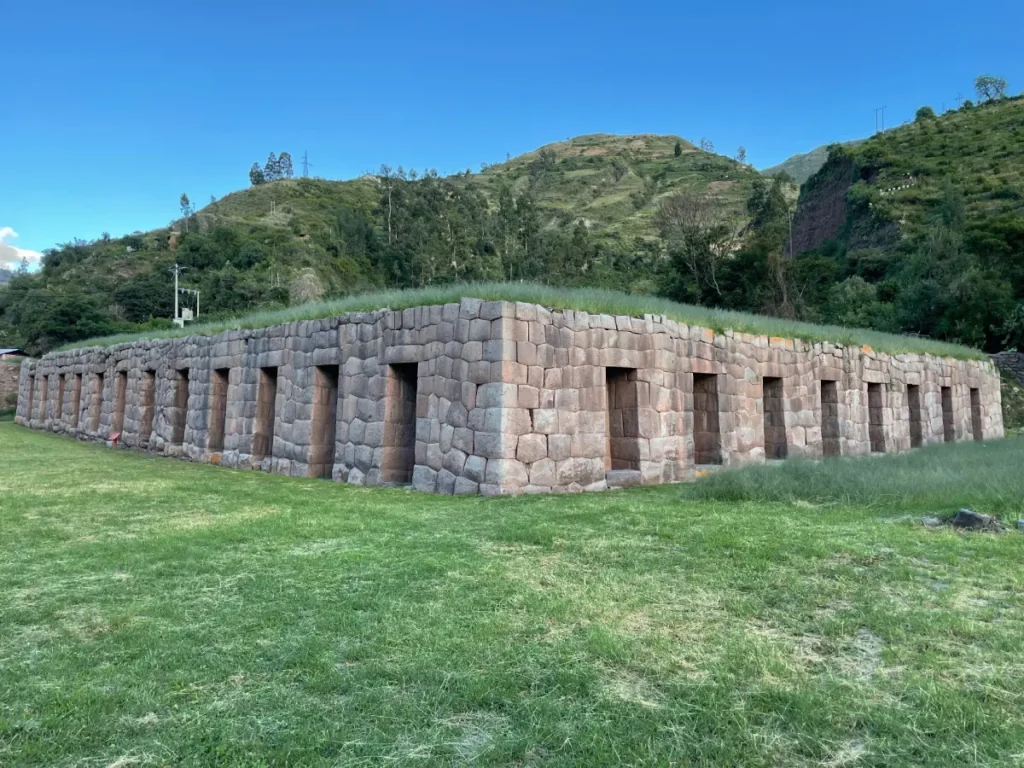
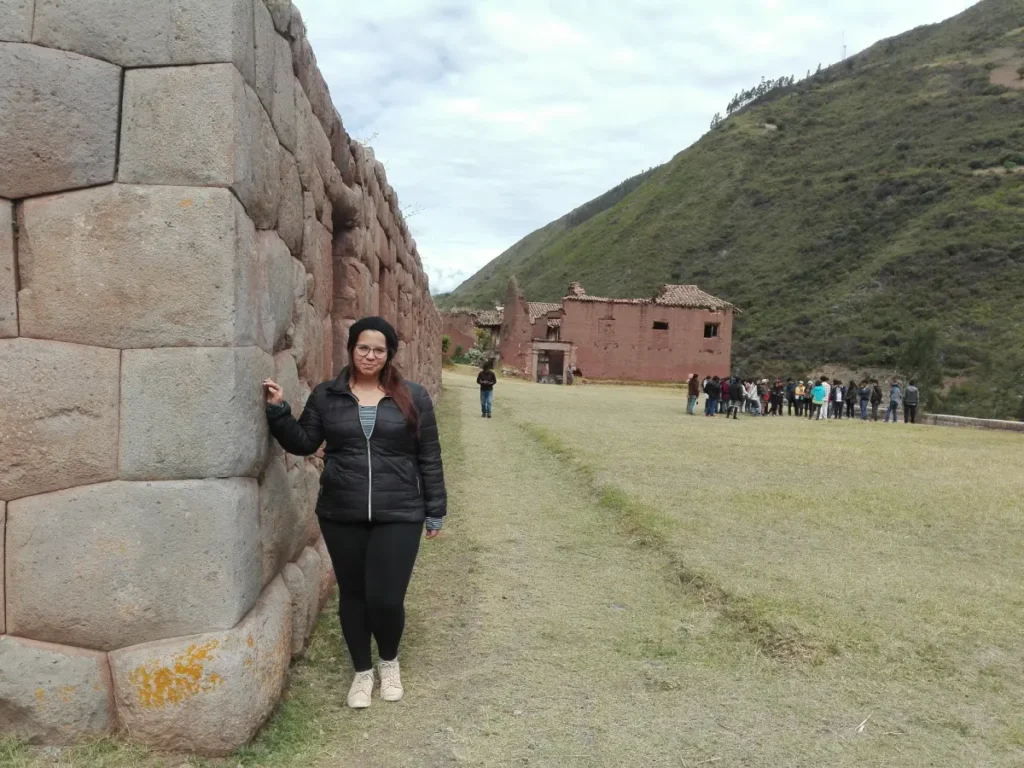
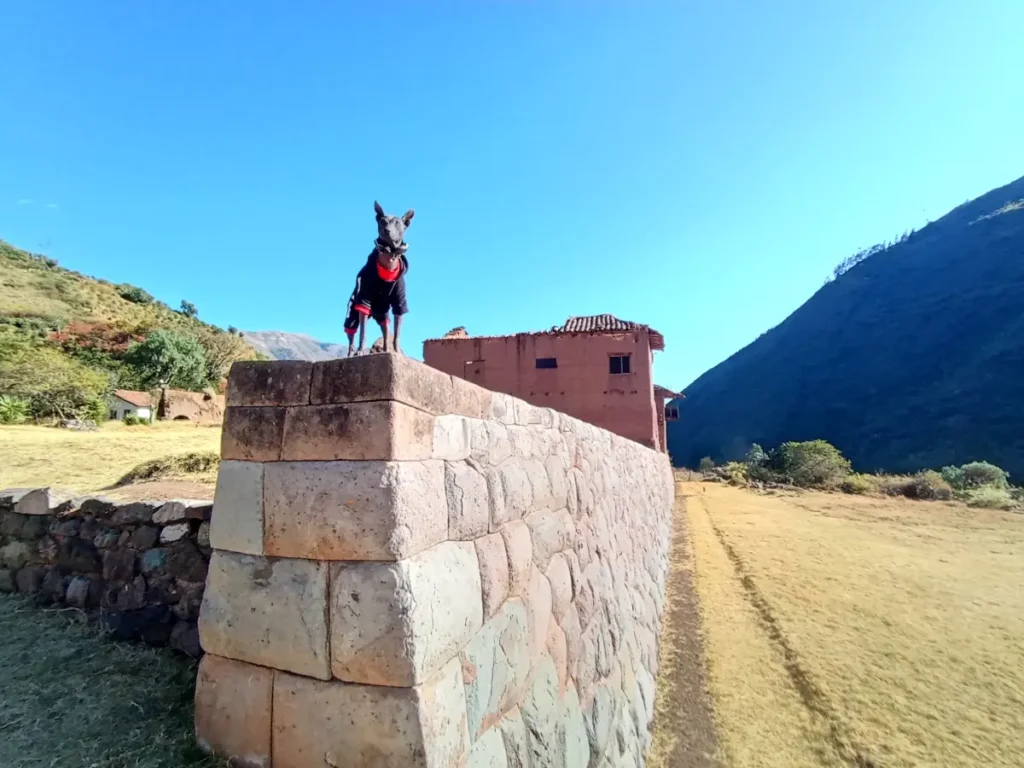
The heart of the Tarawasi ruins is its main temple, a rectangular structure (35 × 10 meters) built of finely carved granite in the classic Inca ashlar style—perfect blocks fitted without mortar. Built in the 15th century under Pachacutec, it served as both a ceremonial and administrative center, with platforms rising up to 15 meters.
Imagine priests walking up the steps to offer gifts to Wiracocha, while below, more than 20 circular colcas (storehouses) preserved crops for redistribution across the empire.
The most striking features are the trapezoidal niches some containing full human figures carved into the stone, others showing plant motifs possibly honoring the sacred tara shrub used in ritual textiles.
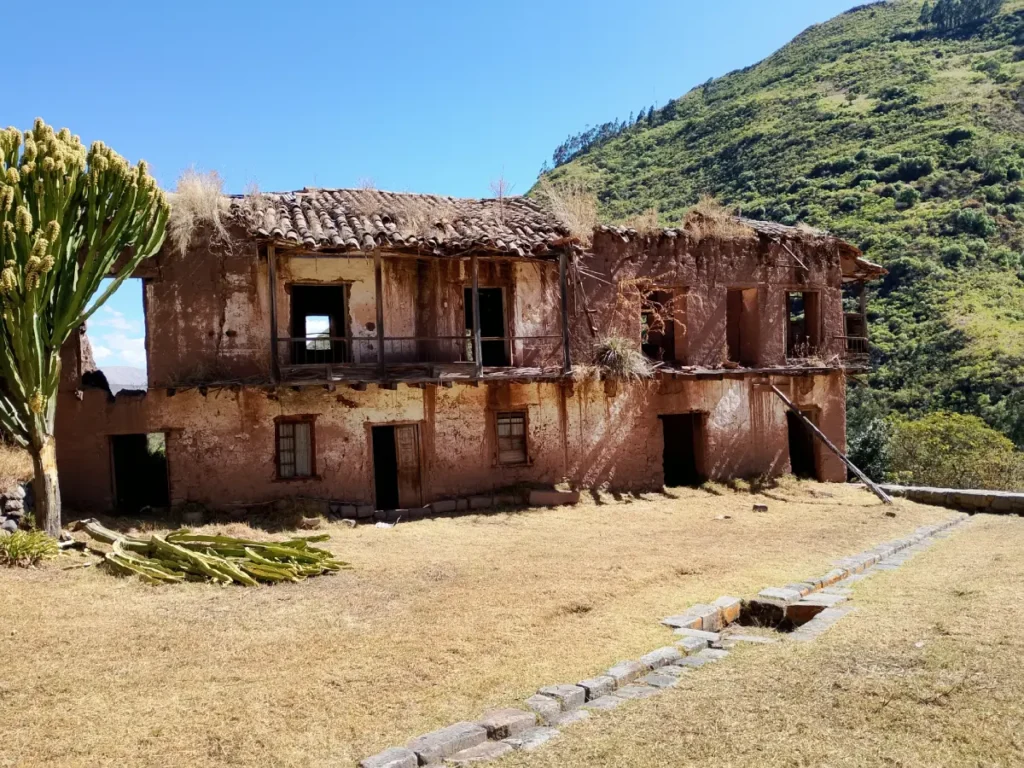
The site also includes a truncated pyramid platform and remnants of colonial structures from when the Spanish converted Tarawasi into an agricultural estate. Walking its paths today feels like leafing through a stone codex each turn reveals a water channel or altar echoing ceremonies dedicated to the sun and the earth.
Whispers of the Past: The History and Legends of Tarawasi
The Tarawasi history begins with the war between the Chankas and the Incas a conflict Pachacutec used to secure his power in the 1400s. Chronicles say he transformed this valley from enemy territory into a symbol of victory and devotion.
Tarawasi wasn’t just spiritual; it was a logistical hub for storing corn and potatoes distributed through the vast Inca road network, keeping the empire thriving from the mountains to the coast.
Local legends add magic. Some say the carved figures are the spirits of Chanka warriors turned into guardians by Wiracocha. Others claim that the tara shrub’s red dye symbolizes the blood of the fallen.
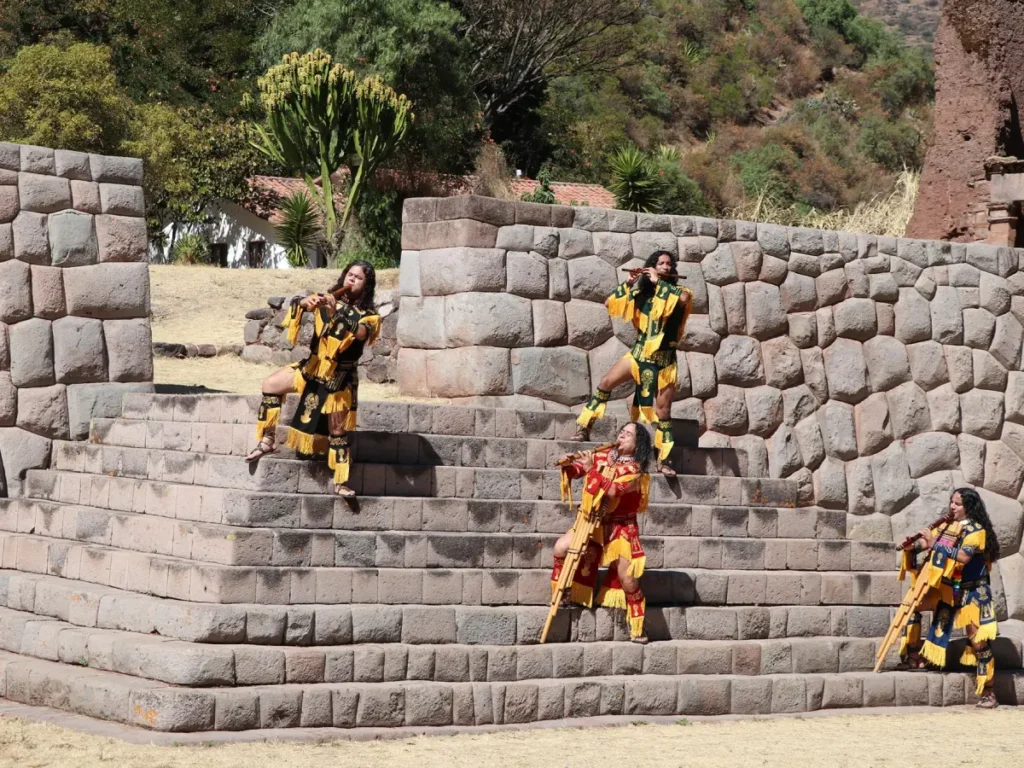
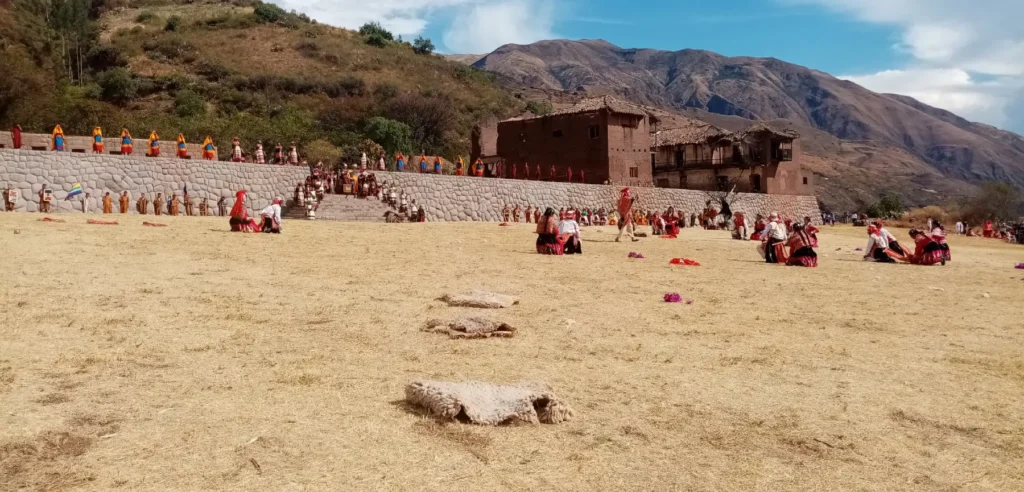
Every September, the Tarawasi Raymi festival reenacts the battle with more than 300 performers, Andean music, and traditional dances turning the ruins into a living theater that celebrates unity over conquest.
The Sacred Path: How to Get to Tarawasi
Getting to Tarawasi Cusco is easy, making it a perfect day trip for travelers exploring things to do in Cusco or planning a Peru travel guide.
The main route follows the road toward Limatambo. If you leave early (around 8:00 a.m.), you’ll reach the district in about 1 hour and 40 minutes. From there, a colectivo taxi or private service takes you another 18 km to the Tarawasi area, passing scenery that shifts from green hills to fertile farmland.
If traveling independently, buses leave from Arcopata Terminal in Cusco and cost about 15 soles to Limatambo affordable and authentic.
With a tour agency, everything becomes easier:
round-trip transport, a professional guide sharing stories and legends, and well-planned time to explore without rushing.
By 2026, improved pathways make the 20-minute walk from the parking area smoother, even during light rain.
The Tarawasi entrance fee is 10 soles, and the site is open from 8:00 a.m. to 5:00 p.m. year-round.
Worth the Journey: Tips for an Unforgettable Visit
Visiting Tarawasi Peru is more than walking through ruins it’s feeling the heartbeat of a valley that resisted conquest and reinvented itself.
Arriving early helps you avoid strong sun and enjoy the quiet glow that highlights the carved niches.
Bring comfortable shoes, water, a hat, and sunscreen the Andean sun is strong. Hiring a local guide unlocks stories you won’t find on signage.
The dry season (May–October) offers the best weather, with temperatures of 59–72°F, perfect for photography.
During Tarawasi Raymi in September, the site comes alive with dances and music reserve ahead if you plan to go.
Remember: Tarawasi is sacred for Quechua communities. Respect the rules, avoid touching the carvings, and leave no trace.
The Echo of Victory: Why Visit Tarawasi
Tarawasi isn’t a place for quick selfies it’s a site to slow down and absorb.
Its ceremonial terraces and precisely fitted stone walls showcase how the Incas mastered architecture and landscape. The carved niches invite you to envision rituals where life, death, and nature intertwined beneath the sun.
A traveler I guided last year described Tarawasi as their “zen moment” in Peru:
“Here, I realized history isn’t just in books it’s in the stones you touch.”
Tarawasi is accessible, affordable, and deeply meaningful.
Many visitors pair it with the Chonta Condor Viewpoint Tour, creating a perfect day of archaeology, wildlife, and Andean culture.
Experience Tarawasi with Top Inka Travel
Our tours immerse you in the essence of this important Inca ceremonial center, included in the route toward the Mirador de Cóndores de Chonta:
- Tarawasi on the Chonta Condor Tour: Guided visit to this remarkable Inca site known for its finely carved walls and ceremonial altar.
- Culture + Nature Experience: Combine Tarawasi’s history with an unforgettable afternoon watching majestic Andean condors in their natural habitat.
- Safe, Organized Journey: Tourist transport, professional guide, and complete logistics throughout the day.
Office: Calle Nueva Alta N° 495, Cusco. Contact us via WhatsApp for 2026 reservations.
Tarawasi isn’t just another archaeological site it’s a living connection to the Inca world and the perfect complement to your adventure toward Chonta.na conexión viva con la historia inca que complementa perfectamente la aventura hacia Chonta. puente al pasado que te hace sentir parte de él.