
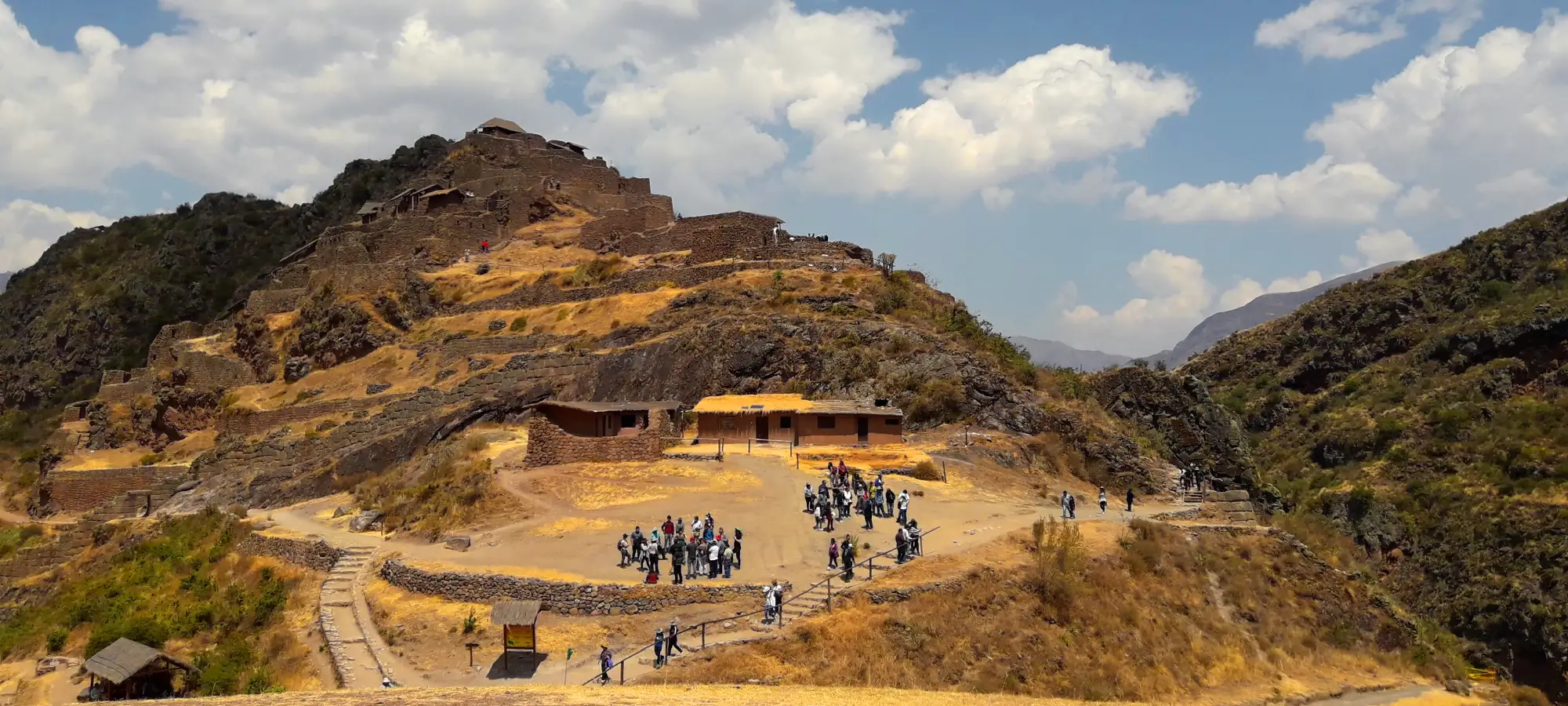
Pisac, Peru, is one of the most fascinating places to visit in the Sacred Valley. Located within easy reach of Cusco, this Andean town combines a traditional market, local culture, impressive mountain scenery, and one of the most remarkable Inca archaeological sites in the region.
Many travelers visit Pisac from Cusco as the first stop on a Sacred Valley tour. However, Pisac deserves more than a quick visit. The town and its famous market sit on the valley floor, while the Pisac ruins rise dramatically across the mountains above.
Together, they offer a fascinating introduction to the history, landscapes, and living culture of the Sacred Valley.
If you’re planning a visit, this Pisac travel guide covers what to see in Pisac, the market, archaeological site, how to get there from Cusco, how much time you need, and how to include Pisac in your Sacred Valley itinerary.
Where Is Pisac in Peru?
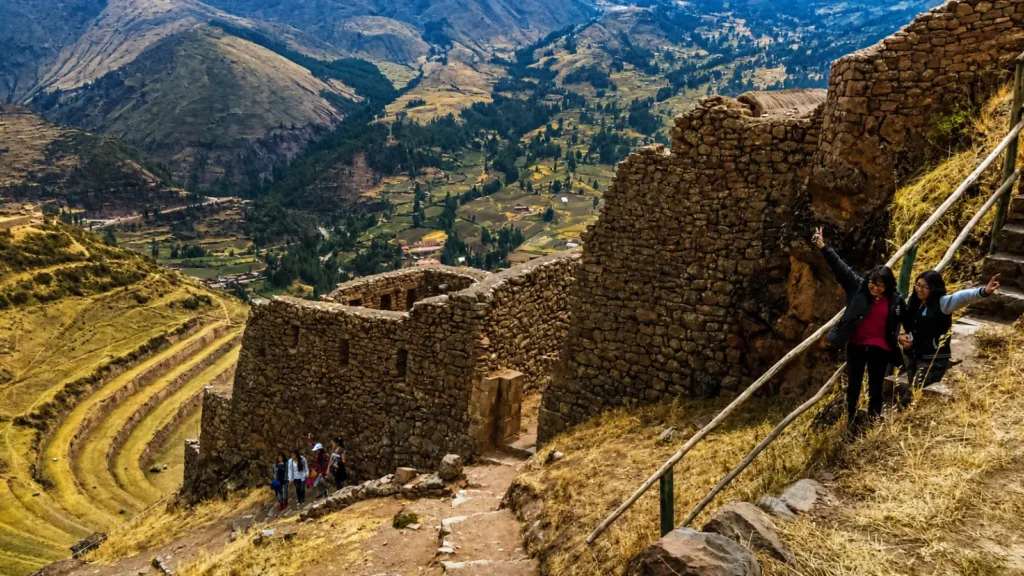
Pisac is located in the Sacred Valley of the Incas, in the Cusco region of southern Peru.
The town lies roughly 30 kilometers from Cusco, making it possible to visit as a day trip or as part of a longer Sacred Valley tour from Cusco.
For travelers, Pisac essentially has two main areas to explore.
The modern town is located on the valley floor and is home to the main square, restaurants, shops, and famous Pisac Market.
High above the town is the Pisac archaeological site, a large Inca complex built across the mountain slopes.
Understanding this distinction is important when planning your visit because simply exploring the town means missing one of Pisac’s greatest attractions.
Things to Do in Pisac
Travelers searching for the best things to do in Pisac should plan enough time for three main experiences: exploring the town, visiting Pisac Market, and discovering the archaeological site.
Each reveals a different side of the destination.
The town provides a glimpse into everyday life in the Sacred Valley, while the market brings together crafts, textiles, jewelry, and local commerce.
Above them, the Inca ruins reveal a completely different perspective on Pisac through terraces, pathways, stone structures, and spectacular views across the valley.
This combination of archaeology and contemporary Andean culture is one of the main reasons Pisac is worth visiting.
Explore Pisac Town
The town of Pisac sits in the lower part of the valley and is considerably smaller and quieter than Cusco.
Walking through its central streets is an easy way to experience the destination beyond its archaeological attractions.
Around the center you’ll find small restaurants, cafés, shops, workshops, and stalls selling locally produced goods.
There’s no need to rush this part of your visit.
Taking some time to walk around allows you to experience the atmosphere of a Sacred Valley town while also discovering the craftsmanship for which Pisac has become well known.
From the center, you can easily continue to one of its most famous attractions: Pisac Market.
Visit Pisac Market
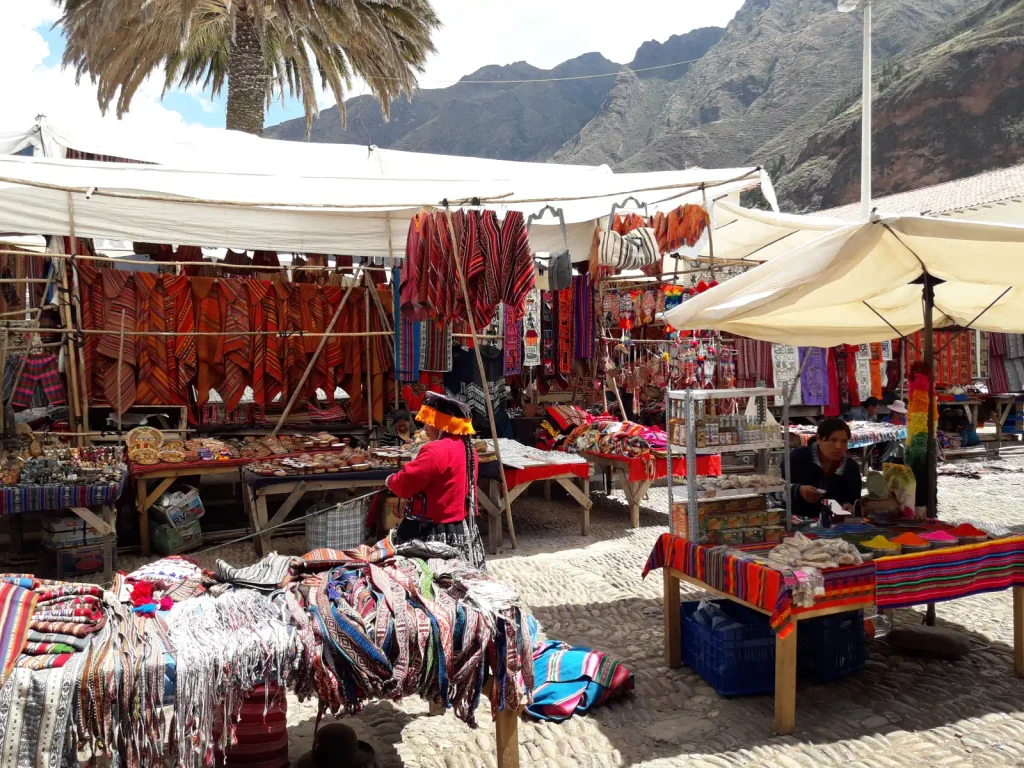
Pisac Market is one of the best-known markets in the Sacred Valley and a popular stop for travelers looking for Peruvian handicrafts.
Its stalls offer a wide variety of products, including textiles, ceramics, jewelry, clothing, decorative pieces, and souvenirs.
Walking through the market isn’t only about shopping.
The colors, patterns, materials, and designs provide an interesting introduction to the region’s craft traditions.
Activity and the number of stalls can vary depending on the day, so travelers particularly interested in the market should consider this when organizing their itinerary.
Our dedicated Pisac Market guide covers what to expect, what to buy, and useful tips for planning your visit.
Visit the Pisac Archaeological Site
The Pisac archaeological site is one of the main reasons to visit this part of the Sacred Valley.
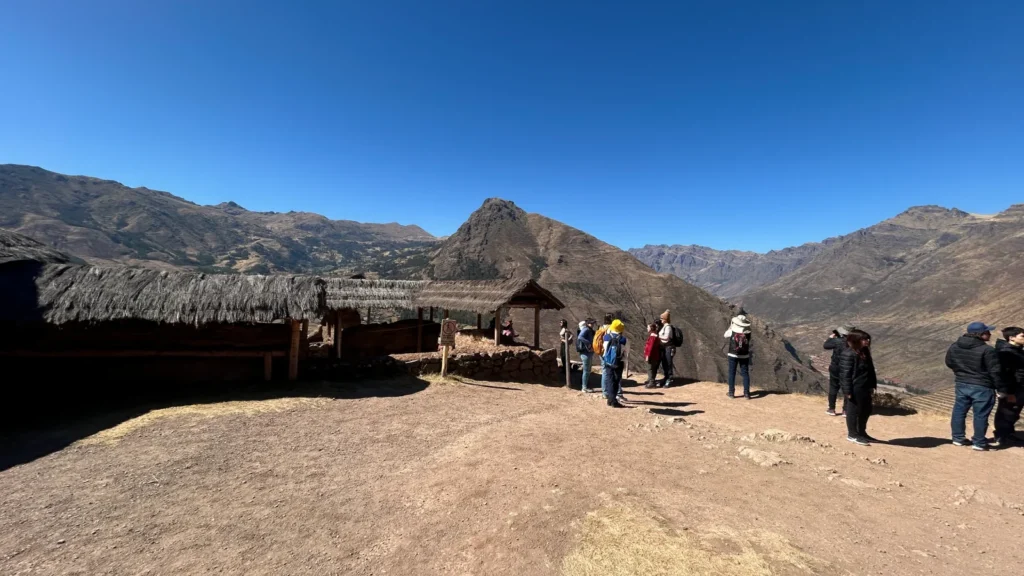
Built high above the modern town, the complex spreads across steep mountain slopes and offers impressive views over the surrounding valley.
The first feature many visitors notice is the enormous system of agricultural terraces.
However, the archaeological complex includes much more than terraces.
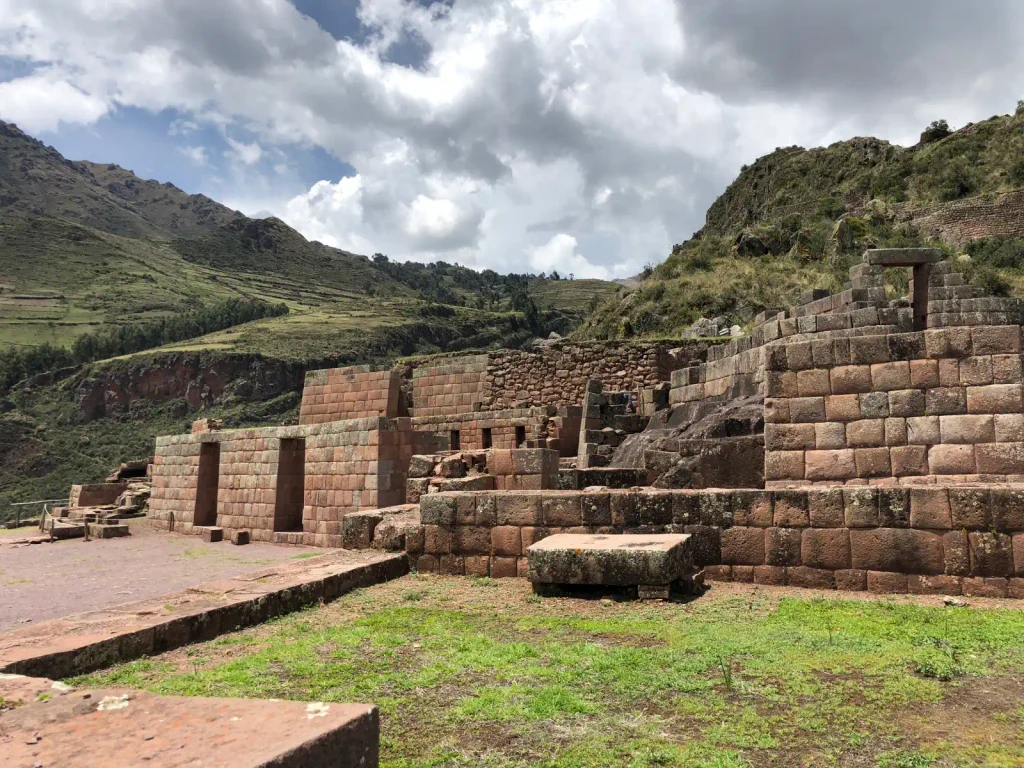
Different areas contain Inca structures, pathways, ceremonial spaces, agricultural sectors, and buildings positioned strategically across the mountain.
Its scale becomes much easier to appreciate once you begin exploring the site on foot.
Why Are the Pisac Ruins Important?
The Pisac ruins offer an excellent opportunity to understand how the Incas adapted architecture and agriculture to the geography of the Andes.
Instead of trying to flatten or dramatically alter the mountain, different sections of the complex were incorporated into its natural shape.
Agricultural terraces transformed steep slopes into usable land, while pathways connected areas positioned at different elevations.
Buildings were also constructed in locations that offered extensive views across the valley.
Exploring the ruins therefore provides more than an opportunity to see ancient stonework.
It helps visitors understand how landscape, agriculture, architecture, and strategic planning could function together within an Inca settlement.
The Famous Pisac Terraces
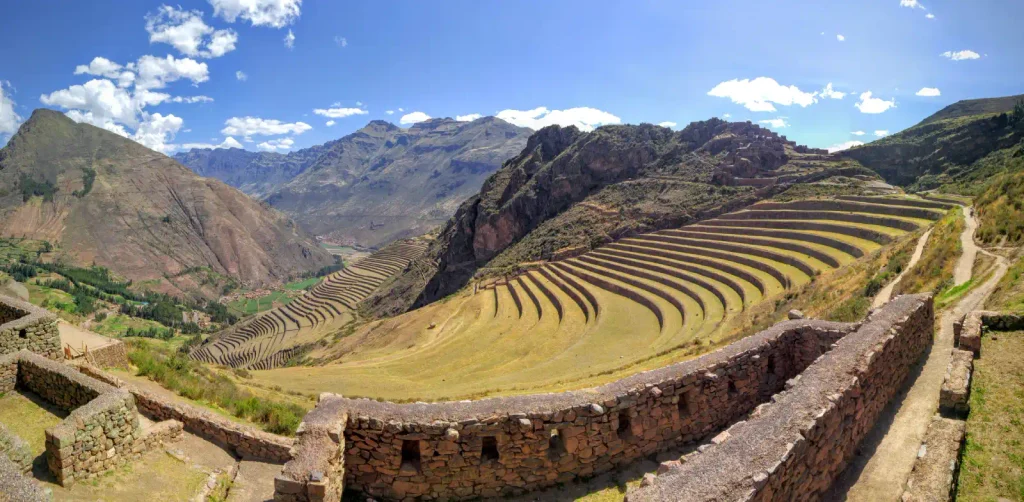
The agricultural terraces are among the most recognizable features of Pisac in the Sacred Valley.
Large curved terraces follow the natural contours of the mountains and descend toward the valley below.
They were designed to make steep terrain more suitable for agriculture while improving management of the landscape.
Today, they also create one of the most impressive views at the archaeological site.
From higher sections, visitors can see the terraces extending across the slopes with the Sacred Valley in the background.
This makes Pisac particularly attractive for travelers interested in both Inca history and landscape photography.
What Else Is There to Do in Pisac?
Although the market and archaeological site receive most of the attention, there are other ways to enjoy Pisac.
Walking through town allows you to visit small craft shops, discover local products, stop for lunch, or simply spend some time around the central square.
Pisac is also an excellent place for photography.
The archaeological site provides wide mountain panoramas, while the town and market offer opportunities to photograph architecture, textiles, crafts, and everyday scenes.
Travelers with more time can enjoy Pisac at a much slower pace rather than treating it as another stop on a packed itinerary.
How to Get to Pisac from Cusco
If you’re researching how to get to Pisac from Cusco, there are several options depending on your budget and travel style.
Pisac can be reached using local transportation, private transportation, or as part of an organized Sacred Valley tour from Cusco.
The drive leaves the urban area of Cusco and gradually enters the mountainous landscapes of the Sacred Valley.
Independent transportation provides more flexibility once you arrive.
A tour, meanwhile, can simplify logistics if you want to visit Pisac alongside other Sacred Valley attractions during the same day.
Cusco to Pisac by Public Transportation
Independent travelers can reach Pisac using local transportation from Cusco.
This is generally the more economical option and works well if you want to explore the town at your own pace.
However, remember that reaching Pisac town and reaching the archaeological complex are two different parts of the visit.
The Pisac ruins are located above the town, so you’ll need to consider how you plan to reach and explore the archaeological site as well.
For travelers unfamiliar with the region or working with a limited itinerary, arranging the entire route in advance can make the day easier.
Pisac Independently or with a Tour?
Both options can work well.
Visiting Pisac independently gives you greater control over your schedule. You can spend longer at the archaeological site, explore the market without rushing, or stay for lunch before returning to Cusco.
A Pisac tour from Cusco is more convenient for travelers who want to combine several Sacred Valley destinations within the same day.
The right option therefore depends on your itinerary.
If Pisac is one of your main interests, independent travel gives you more flexibility. If you have limited time and want to see several places, an organized Sacred Valley tour can be more efficient.
How Much Time Do You Need in Pisac?
The answer depends on what you want to see.
A short visit can cover some of the main highlights, but Pisac is much more rewarding when you have enough time for both the archaeological site and the town.
If you’re visiting as part of a Sacred Valley day trip, you’ll probably spend a few hours in the area before continuing to other destinations.
Travelers exploring independently may prefer half a day or longer.
The archaeological site in particular shouldn’t be rushed. Its size and mountain setting make walking through different sections an important part of the experience.
Best Time to Visit Pisac
Pisac can be visited throughout the year, although the appearance of the Sacred Valley changes considerably between the drier and wetter seasons.
From roughly April through October, there is generally less rainfall in the Cusco region. Clearer conditions can be particularly useful when exploring the archaeological site and enjoying panoramic views.
The wetter months bring greener landscapes across the Sacred Valley.
This can make the surrounding mountains especially beautiful, although travelers should be prepared for rain and potentially slippery walking surfaces.
Regardless of the season, sun protection and water are useful because much of the archaeological visit takes place outdoors.
What Is the Best Time of Day to Visit Pisac?
Starting early gives you more flexibility.
You can dedicate the morning to the archaeological site before exploring the town and market or continuing deeper into the Sacred Valley.
An early visit can also be useful if Pisac is only one part of a longer itinerary.
However, there isn’t one perfect schedule for every traveler.
Someone spending most of the day in Pisac can explore much more slowly, while travelers on a multi-stop Sacred Valley tour will need to coordinate their visit with the rest of the route.
The important thing is to allow enough time to experience more than just one viewpoint.
What to Bring to Pisac
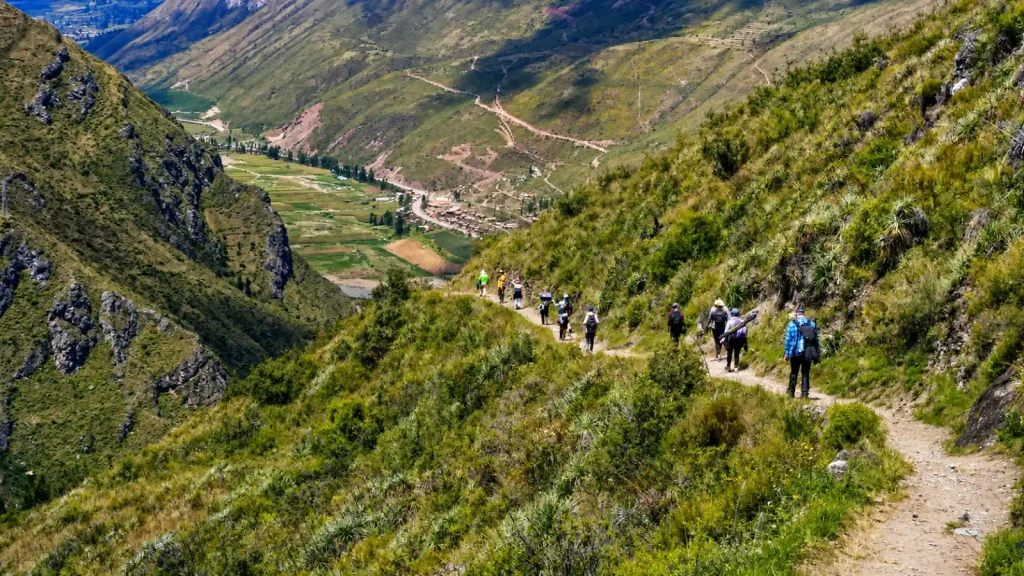
A day in Pisac can involve considerable walking, particularly if you’re exploring different areas of the archaeological site.
Useful items include:
- Comfortable walking shoes.
- Sunscreen.
- Sunglasses.
- Hat or cap.
- Water.
- Light jacket.
- Rain protection during wetter months.
- Some cash for small purchases.
Layers are particularly useful because temperatures can change throughout the day in the Sacred Valley.
Pisac and the Sacred Valley
Pisac is one of the essential destinations in the Sacred Valley of the Incas and works particularly well near the beginning of a journey through the region.
Visiting Pisac also provides useful context for understanding other archaeological sites in the valley.
Its terraces, mountain setting, and architecture demonstrate how closely Inca construction was connected to geography.
As you continue through the Sacred Valley, you’ll encounter other examples of how settlements, agricultural areas, and ceremonial spaces were integrated into the Andean landscape.
Before planning the complete route, our Sacred Valley travel guide can help you decide which destinations to combine with Pisac.
Is Pisac Worth Visiting?
Yes. Pisac is worth visiting for travelers interested in Inca history, local culture, markets, photography, and Andean landscapes.
Few places near Cusco combine these experiences so conveniently.
The archaeological site offers history and spectacular mountain views, while the town and market provide a completely different cultural atmosphere.
Its proximity to Cusco also makes Pisac relatively easy to incorporate into a Peru itinerary.
Whether you visit independently or as part of a Sacred Valley tour, allowing enough time to explore both the ruins and town will make the experience considerably more rewarding.
Frequently Asked Questions About Pisac
Where is Pisac?
Pisac is located in the Sacred Valley of the Incas in the Cusco region of Peru, around 30 kilometers from Cusco.
What are the best things to do in Pisac?
The main things to do in Pisac include visiting the Pisac archaeological site, exploring the agricultural terraces, walking through town, and visiting Pisac Market.
How do you get to Pisac from Cusco?
You can travel from Cusco to Pisac using local transportation, private transportation, or an organized Sacred Valley tour.
Are the Pisac ruins worth visiting?
Yes. The ruins are one of the most impressive archaeological complexes in the Sacred Valley and combine Inca architecture, agricultural terraces, and excellent mountain views.
How long should you spend in Pisac?
A few hours can cover the main highlights, but half a day provides a more comfortable amount of time for the archaeological site, town, and market.
Is Pisac part of the Sacred Valley?
Yes. Pisac is one of the main destinations in the Sacred Valley and is commonly combined with other attractions during trips from Cusco.
Can you visit Pisac on a day trip from Cusco?
Yes. A Pisac day trip from Cusco is possible, either independently or as part of a wider Sacred Valley itinerary.
Pisac: Inca History and Living Culture in the Sacred Valley
Pisac, Peru, brings together many of the experiences travelers look for in the Sacred Valley: impressive Inca ruins, enormous agricultural terraces, traditional crafts, mountain scenery, and local culture.
If your schedule is limited, Pisac can easily be included in a wider Sacred Valley tour from Cusco. Travelers with more time can dedicate half a day or longer to exploring the archaeological site and town at a slower pace.
Before planning your visit, explore our complete Sacred Valley guide, Pisac Market guide, and dedicated guide to the Pisac archaeological site. Together, these resources can help you build a better itinerary and decide how much time to spend at each attraction.
If you prefer to have transportation and logistics organized in advance, you can also include Pisac in your Sacred Valley tour from Cusco.