
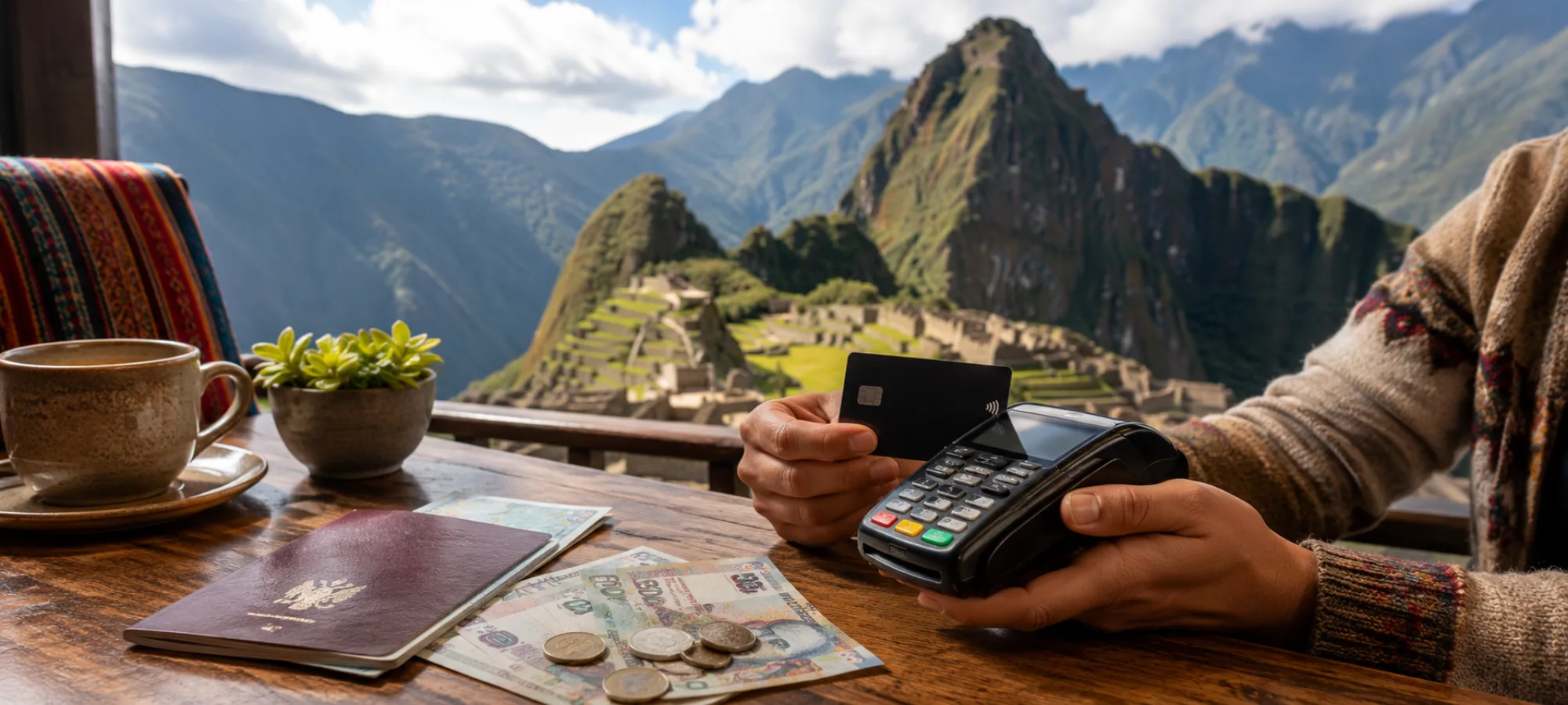
Planning a trip to Peru involves more than choosing destinations and booking tours. Understanding how money works in the country can make your journey smoother, help you manage your budget more effectively and avoid unnecessary surprises along the way.
Whether you are visiting Machu Picchu, Cusco, Lima, Arequipa, Puno or the Sacred Valley, knowing when to use cash, where to exchange money and how widely credit cards are accepted can make a significant difference during your trip.
This guide covers everything travelers need to know about currency, payments, tipping customs and daily travel expenses in Peru.
What Currency Is Used in Peru?
The official currency of Peru is the Peruvian Sol (PEN).
While some hotels, tour operators and tourism-related businesses may accept US dollars, the vast majority of transactions throughout the country are made in soles. Restaurants, local transportation, markets, small shops and many attractions generally operate using the local currency.
For this reason, having access to Peruvian soles during your trip is highly recommended.
Should You Bring Cash or Cards to Peru?
One of the most common questions travelers ask before arriving is whether Peru is primarily a cash-based destination.
The answer depends largely on where you plan to travel.
In major cities such as Lima, Cusco and Arequipa, credit and debit cards are widely accepted in hotels, restaurants, travel agencies and shopping centers. However, smaller towns, local markets and rural communities often prefer cash payments.
For most travelers, the best approach is to combine both payment methods. Carrying some local currency while keeping cards available for larger purchases provides flexibility and convenience throughout the journey.
Is It Better to Bring Dollars or Exchange Money in Peru?
Many international visitors arrive with US dollars and exchange them after reaching Peru.
Currency exchange offices are common in major tourist destinations and generally offer competitive exchange rates. Because of this, many travelers choose to exchange only a portion of their budget at a time rather than carrying large amounts of local currency from the start.
Although dollars may occasionally be accepted for certain tourism services, everyday expenses are usually paid in soles.
As a result, exchanging part of your money into local currency remains the most practical option.
Where Can You Exchange Money Safely?
Travelers will find several reliable options for exchanging currency in Peru.
Exchange offices are usually the preferred choice because they offer competitive rates and quick service. Banks provide an additional option, although exchange procedures may take longer.
Airport exchange counters can be convenient immediately after arrival, but their rates are often less favorable than those available in city centers.
Before exchanging money, it is always worth comparing rates and ensuring that any bills received are in good condition.
How Much Money Should You Budget for Peru?
Travel costs in Peru vary depending on your travel style, destinations and personal preferences.
Some travelers focus on budget-friendly accommodations and local dining experiences, while others prefer boutique hotels, private tours and premium services.
Popular destinations such as Machu Picchu and the Sacred Valley may require a larger budget due to transportation costs, entrance tickets and accommodation demand.
Nevertheless, Peru remains one of South America’s most accessible destinations, offering options for a wide range of budgets.
Daily Expenses Travelers Should Consider
Beyond accommodation and transportation, there are several everyday costs that should be included when planning a travel budget.
These may include:
- Meals and drinks
- Local transportation
- Entrance fees
- Souvenirs and shopping
- Tips and gratuities
- Personal expenses
Understanding these additional costs in advance can help travelers manage their budget more comfortably during their stay.
Tipping Culture in Peru
Tipping is not mandatory in Peru, but it is common within the tourism and hospitality sectors.
In restaurants, many visitors leave a small gratuity when they receive good service. Tour guides, drivers and hotel staff may also receive tips as a gesture of appreciation.
Ultimately, tipping remains a personal choice and is generally based on service quality and individual preference.
Useful Tips for Managing Money While Traveling
A few simple precautions can help make your trip more comfortable and secure.
Experienced travelers often recommend:
- Using both cash and cards.
- Carrying small denominations for everyday purchases.
- Storing money in different locations.
- Informing your bank before international travel.
- Reviewing international transaction fees.
- Using ATMs located in secure areas.
These practices can reduce potential inconveniences and provide greater peace of mind throughout your trip.
Is Peru an Expensive Destination?
One of Peru’s greatest advantages as a travel destination is its diversity of options.
Visitors can find everything from budget-friendly accommodations and local restaurants to luxury hotels and premium travel experiences. This flexibility allows travelers to create an itinerary that matches both their interests and their budget.
Whether you are planning a short visit to Machu Picchu or a multi-city journey across the country, Peru offers excellent value for travelers seeking culture, history, nature and adventure.
Final Thoughts
Understanding how money and payments work in Peru is an important part of travel planning.
Knowing when to use cash, where to exchange currency and how widely cards are accepted can help you travel more confidently and focus on enjoying everything the country has to offer.
From the historic streets of Cusco to the breathtaking landscapes surrounding Machu Picchu, good preparation allows you to spend less time worrying about logistics and more time experiencing one of South America’s most fascinating destinations.