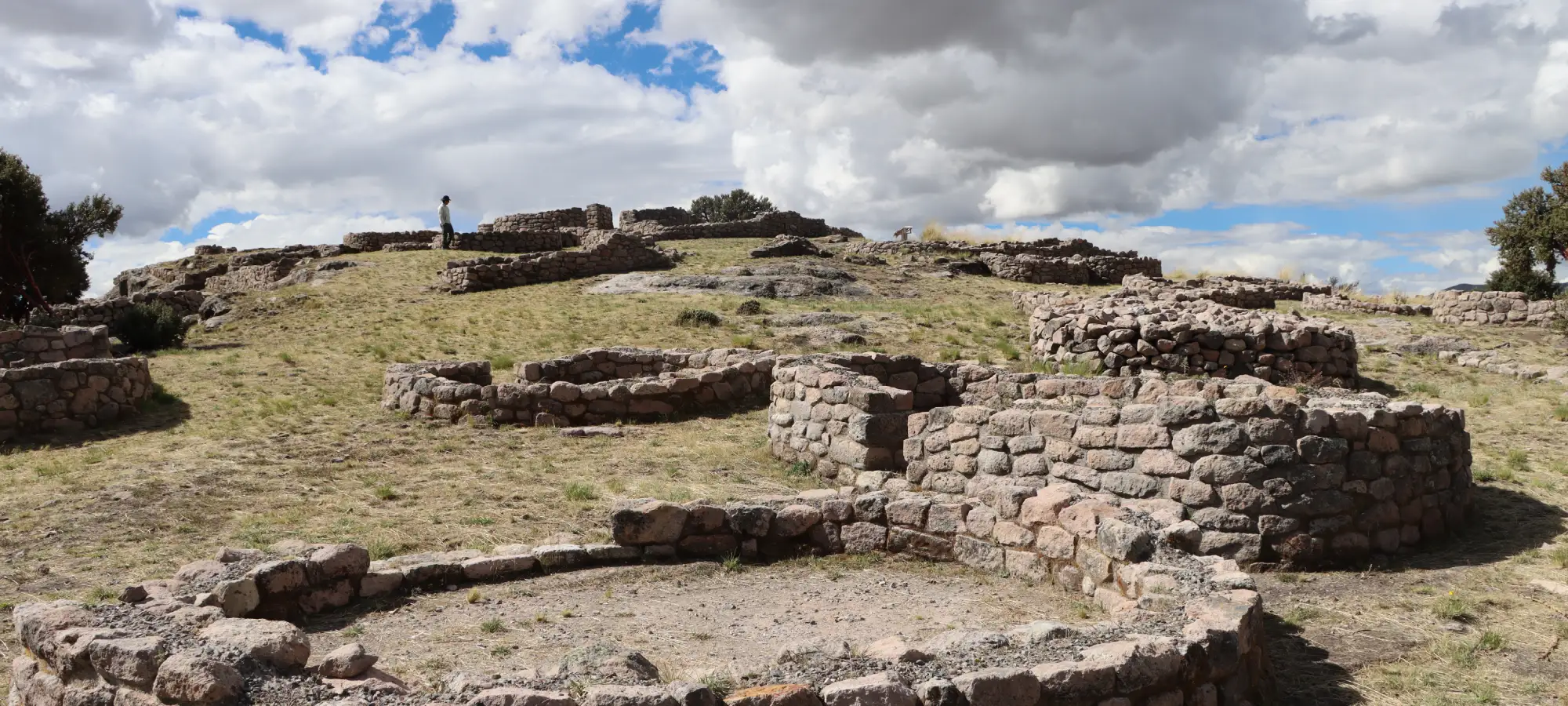
When people think about archaeology in Cusco, famous destinations such as Machu Picchu, Sacsayhuamán and Ollantaytambo usually come to mind. However, beyond the region’s most visited attractions lies a lesser-known site that continues to preserve its mystery and authenticity: Taqrachullo.
Located in the province of Espinar, south of Cusco, this ancient archaeological complex remains largely unknown to many travelers. Nevertheless, its stone structures, strategic location and spectacular Andean surroundings make it one of the most fascinating archaeological sites in southern Peru.
Although many questions about its origins remain unanswered, Taqrachullo continues to attract growing interest from visitors eager to explore places beyond the traditional tourist circuit.
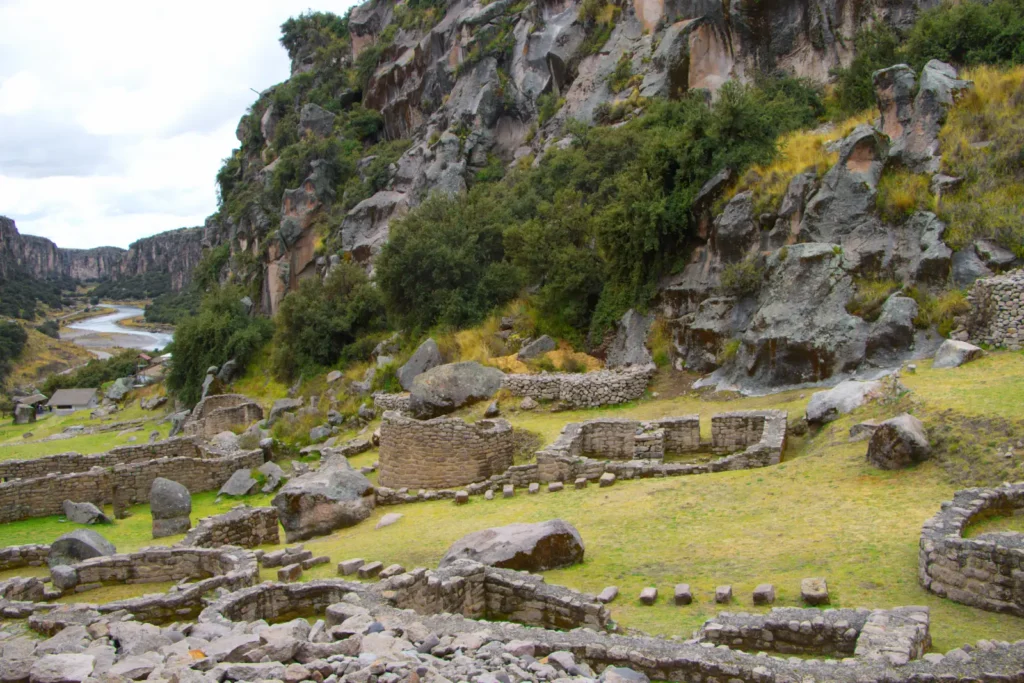
What Is Taqrachullo?
Taqrachullo is an ancient archaeological settlement located in the province of Espinar. The site preserves a variety of stone structures that reveal the presence of Andean communities that once inhabited this part of the highlands.
Its elevated location offers extensive views across the surrounding landscape. Because of this strategic position, researchers believe the settlement may have served as a lookout point, a center of territorial control and an important communication hub.
Today, Taqrachullo is increasingly recognized as one of the most interesting archaeological attractions for travelers looking to discover hidden places in Cusco.
Where Is Taqrachullo Located?
Taqrachullo is situated in the province of Espinar, approximately 240 kilometers south of the city of Cusco.
The area forms part of an emerging tourism corridor that includes several remarkable attractions, including:
- The Three Canyons of Suykutambo
- Devil’s Gorge
- Kanamarka Archaeological Site
- High-Andean landscapes of Espinar
As a result, many visitors choose to combine these attractions within a single day trip.
The History of Taqrachullo
The history of Taqrachullo continues to be the subject of ongoing research. Unlike many of Cusco’s better-known archaeological sites, the information available about this complex remains limited.
Nevertheless, specialists believe the settlement was connected to ancient populations that inhabited the Andean highlands long before the consolidation of the Inca Empire. For this reason, the site has become increasingly important for researchers interested in the early history of southern Cusco.
Furthermore, the strategic location of the settlement suggests that it may have played a role in surveillance, communication and territorial control. From its elevated position, it would have been possible to monitor important routes used by local communities throughout the region.
Over many centuries, Andean societies developed extensive trade and communication networks that connected distant territories. Consequently, sites such as Taqrachullo may have functioned as key points within these systems of exchange and administration.
Although many aspects of its development remain unknown, every new study provides valuable information about the history of Espinar and the broader Andean world. Thanks to ongoing research, archaeologists continue to gain a better understanding of the site’s significance within pre-Hispanic Peru.
Who Lived in Taqrachullo?
There is currently no definitive answer regarding which specific culture originally built Taqrachullo.
However, several researchers believe the settlement may have been occupied by Andean communities that lived in the region before the expansion of the Inca Empire. Later, the area became integrated into broader political and economic networks that connected different parts of the Andes.
Because of its location and architectural features, Taqrachullo provides valuable clues about how ancient societies adapted to the challenging conditions of the high-altitude environment.
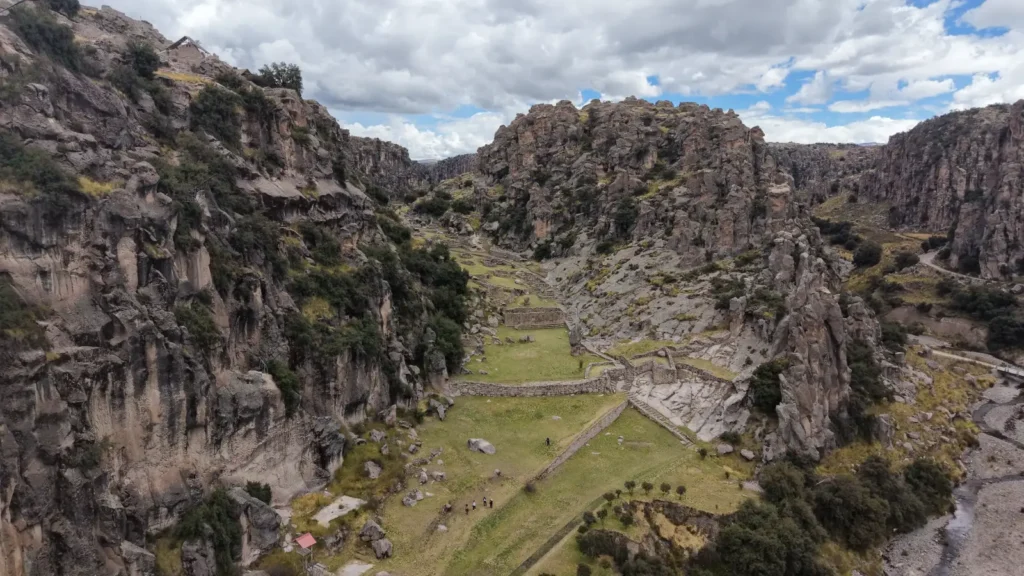
Why Is Taqrachullo Archaeologically Important?
Taqrachullo is important not only because of its surviving structures but also because of the information it provides about the history of Espinar.
The site helps archaeologists understand how ancient communities organized their territories, interacted with neighboring populations and adapted to the mountainous landscape.
In addition, the archaeological complex contributes to the preservation of local cultural heritage and promotes interest in lesser-known destinations throughout the Cusco region.
As research continues, Taqrachullo may offer new insights into the development of Andean civilizations that once thrived in southern Peru.
Taqrachullo and Ancient Andean Routes
One of the most interesting aspects of Taqrachullo is its possible connection to ancient transportation and communication networks.
For centuries, Andean societies maintained extensive routes that facilitated trade, cultural exchange and the movement of goods across the mountains. Because of its strategic position, Taqrachullo may have helped oversee some of these important corridors.
Although further research is still needed, many specialists believe the settlement’s location was not accidental. Instead, it may have been carefully selected to support regional administration and communication.
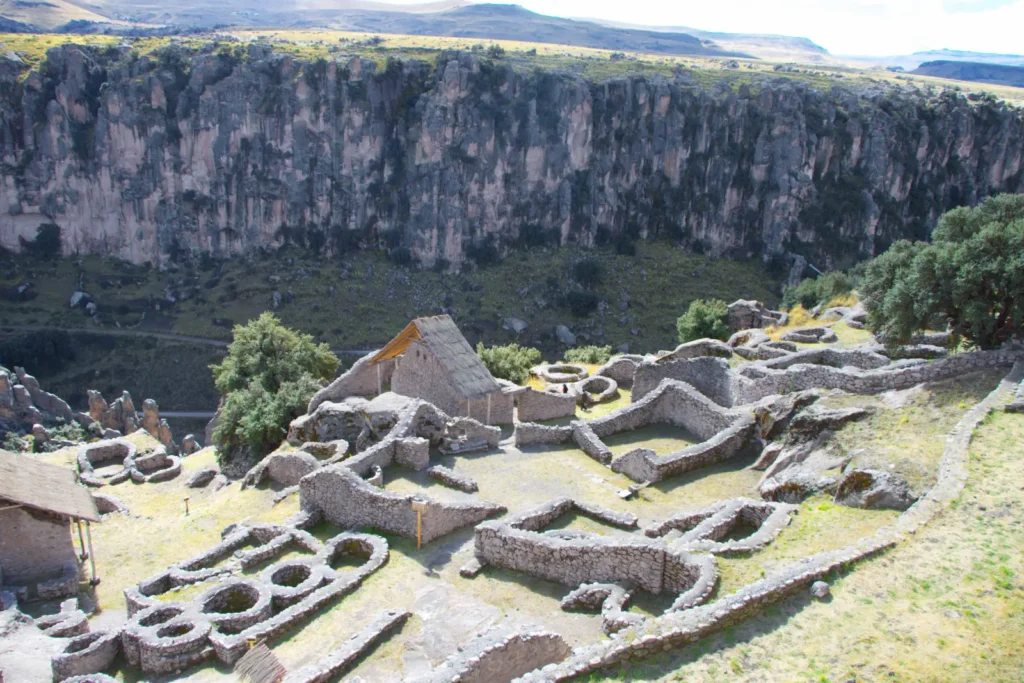
The Connection Between Taqrachullo and the Three Canyons
One of the features that makes Taqrachullo particularly special is its proximity to the famous Three Canyons of Suykutambo. Both attractions are located within the province of Espinar and are often visited during the same excursion.
From several elevated sections of the archaeological site, visitors can enjoy remarkable views of the surrounding Andean landscapes. In addition, the area provides excellent opportunities to appreciate the unique geography of southern Cusco.
The Three Canyons are considered one of the region’s most impressive natural attractions. Their dramatic rock formations and deep canyons attract travelers seeking extraordinary scenery and outdoor experiences.
For this reason, many visitors combine both destinations during a single trip. While Taqrachullo offers a fascinating look into the region’s history, the Three Canyons showcase some of the most spectacular landscapes in the Andes.
As a result, this combination has become one of the most rewarding experiences available in the province of Espinar.
Why Visit Taqrachullo Today?
Despite its historical significance, Taqrachullo remains relatively unknown compared to other archaeological attractions in Cusco.
This lack of crowds is precisely what makes the experience so appealing. Visitors can explore ancient structures, enjoy peaceful surroundings and connect with the landscape without the distractions often found at more popular sites.
Moreover, the destination offers a unique opportunity to learn about an important chapter of Andean history while discovering one of the region’s hidden gems.
For travelers interested in archaeology, history and authentic cultural experiences, Taqrachullo provides a rewarding alternative to the traditional tourist routes.
Final Thoughts
The history of Taqrachullo continues to unfold through ongoing archaeological research and growing interest from travelers seeking lesser-known destinations.
Its ancient structures, strategic location and proximity to the Three Canyons make it one of the most intriguing archaeological sites in the province of Espinar.
While many mysteries remain, one thing is certain: Taqrachullo represents an extraordinary opportunity to explore a different side of Cusco, rich in history, culture and breathtaking Andean scenery.
For those looking to discover hidden archaeological sites and authentic experiences, Taqrachullo deserves a place on any travel itinerary.