
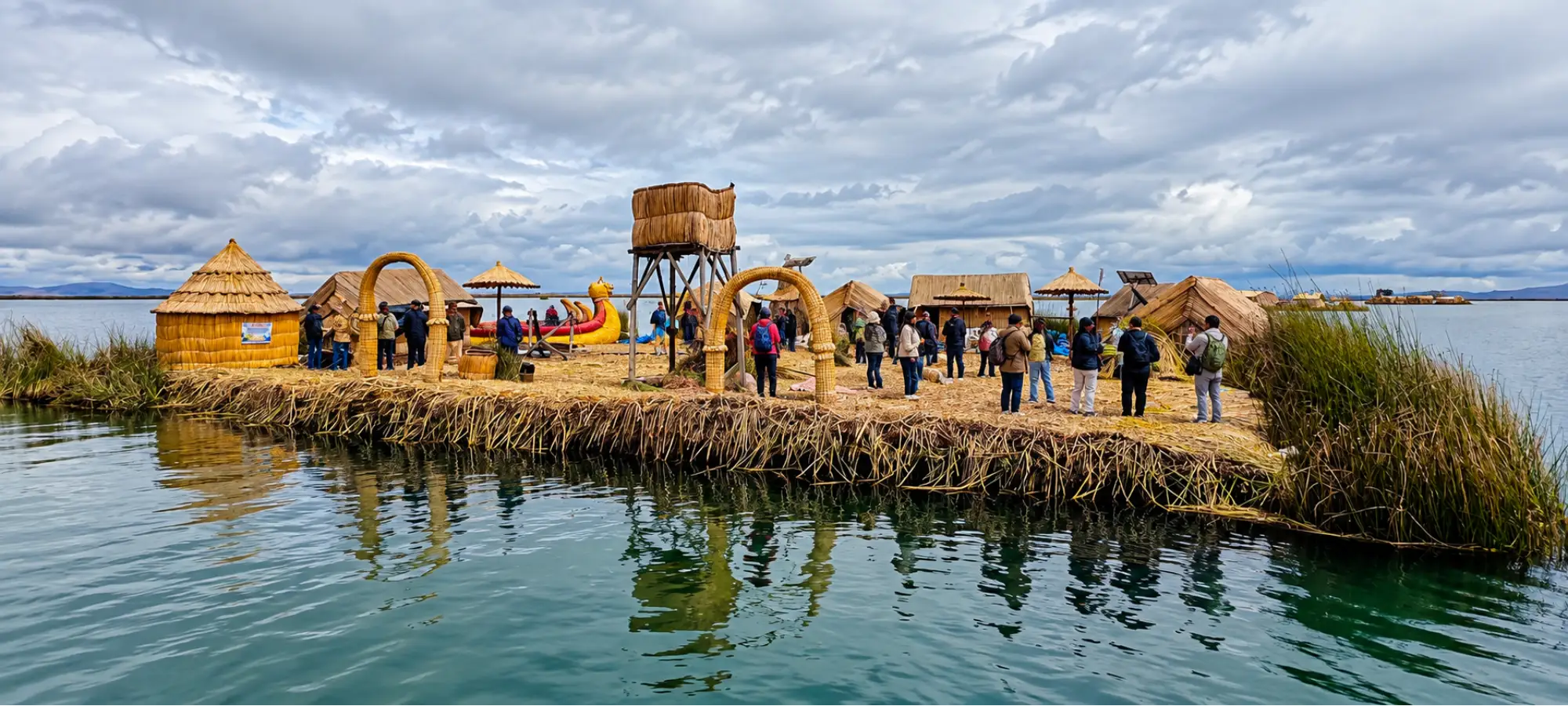
The Uros Islands are one of the most recognizable attractions on Lake Titicaca and a popular stop for travelers visiting Puno. Their floating platforms made from totora reeds, proximity to the city and unusual setting make them easy to include in a Peru itinerary.
But travelers researching the destination often have an important question before booking: Are the Uros Islands worth visiting?
The answer largely depends on what you expect from the experience.
The Uros Islands can be particularly interesting if you want to understand how the floating platforms are constructed, learn about the traditional uses of totora reeds and experience Lake Titicaca without committing to a long journey from Puno.
At the same time, Uros is an established tourist destination. Many communities regularly receive visitors, and tourism is part of the local economy.
Understanding both sides of the experience will help you decide whether visiting the Uros Islands makes sense for your trip.
What Is It Really Like to Visit the Uros Islands?
A typical visit begins in Puno, where boats depart for the floating communities on Lake Titicaca.
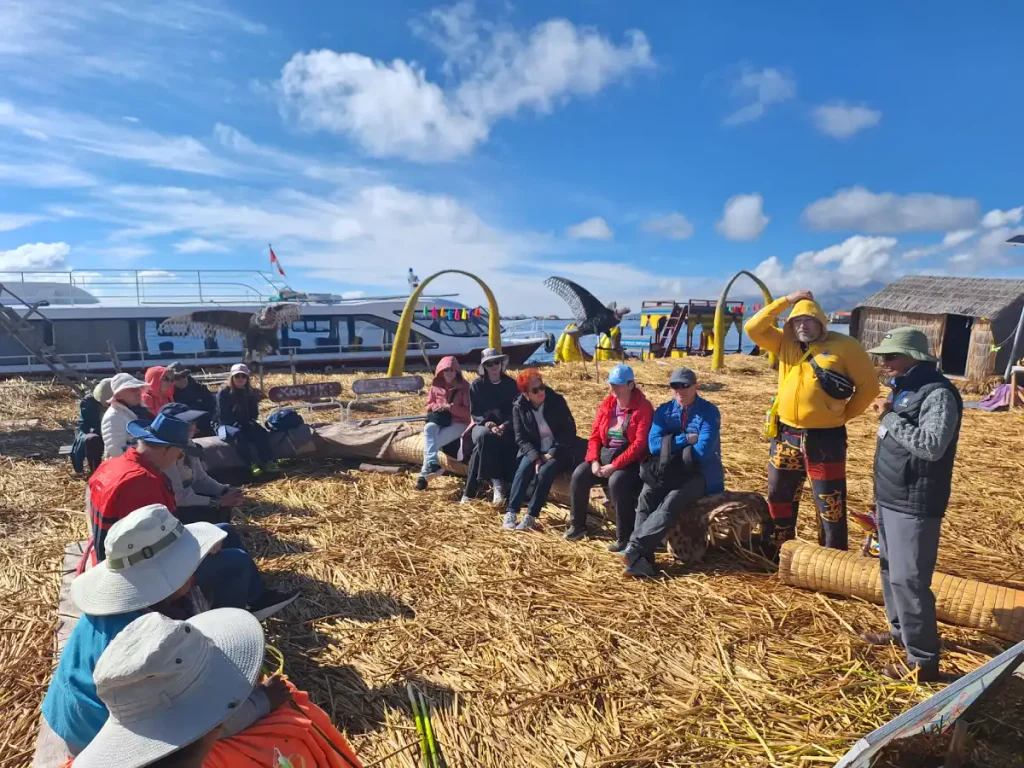
After arriving at one of the islands, visitors usually learn about how the floating platforms are built and maintained. Local residents may explain the importance of totora reeds and demonstrate how the natural material is used for different purposes.
You can walk across the floating surface, observe homes and traditional reed boats, and enjoy views across Lake Titicaca.
Depending on the community and tour, you may also find handicrafts, cultural demonstrations or optional rides on traditional-style totora boats.
The exact experience can vary between communities, which is worth keeping in mind when reading different Uros Islands reviews online.
Are the Uros Islands Worth Visiting?
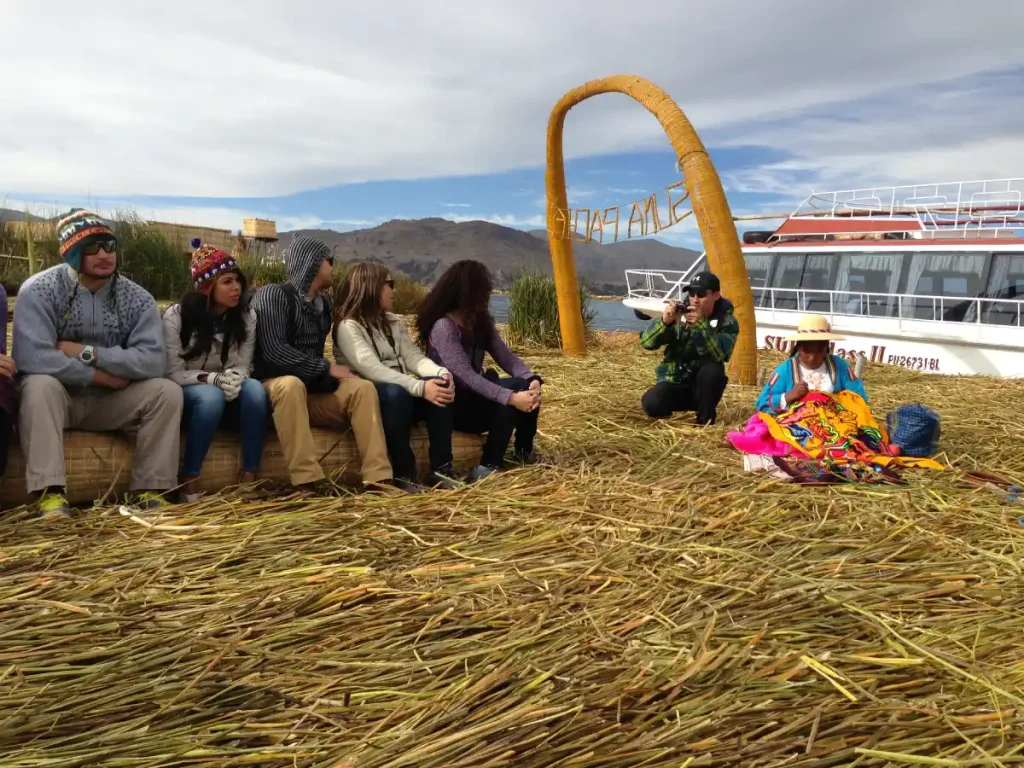
For many travelers, the Uros Islands are worth visiting, particularly if this is your first trip to Lake Titicaca.
One of the main reasons is that the floating islands offer an environment unlike most other places on a typical Peru itinerary.
Walking on a platform constructed from layers of totora and learning how these structures require continuous maintenance provides a tangible introduction to the relationship between local communities and the lake.
Their location is another advantage.
The Uros Islands are relatively close to Puno, so you do not need to spend an entire day traveling across Lake Titicaca. Many visits can be completed as a half-day excursion.
However, travelers looking for a remote community with little interaction with tourism should adjust their expectations.
Uros receives visitors regularly, and tourism is a visible part of the experience.

Why Visit the Uros Islands?
There are several reasons travelers decide to include Uros in their Lake Titicaca itinerary.
Experience the Floating Islands
The floating platforms are the main reason to visit.
Unlike Taquile and Amantani, Uros is not simply a conventional natural island. Its platforms are constructed using buoyant organic material and layers of totora reeds.
Walking on one of these platforms and learning how it is maintained is one of the most distinctive parts of the experience.
Learn About Totora Reeds
Totora is closely connected to life around Lake Titicaca.
The plant has traditionally been used to maintain the islands and create boats, structures, handicrafts and other everyday objects.
Seeing these uses firsthand provides additional context for understanding the floating communities.
Uros Is Close to Puno
Another major advantage is accessibility.
The Uros Islands from Puno can be reached by boat relatively quickly compared with destinations farther across Lake Titicaca.
This makes Uros suitable for travelers with limited time.
If you are already planning the logistics, our guide on how to get to the Uros Islands explains where boats leave from and the different ways to organize the trip.
Combine Uros and Taquile in One Day
Travelers with a full day available can combine Uros and Taquile Island.
This creates a more varied Lake Titicaca experience. You first see the floating platforms of Uros before continuing across the lake to a natural island known for its landscapes, agricultural terraces and textile traditions.
No Long Hike Is Required
A standard Uros visit does not require the extended walking associated with some other high-altitude destinations in Peru.
That makes the islands accessible to a wider range of travelers.
Altitude still matters, however. Lake Titicaca sits at approximately 3,812 meters (12,507 feet) above sea level, so travelers who have recently arrived at high elevation should pay attention to how they feel.

What Should You Know Before Visiting Uros?
Expectations make a significant difference to how travelers perceive the Uros Islands.
Uros is a tourist destination, and many visits include activities organized for travelers. These may involve explanations, demonstrations, handicrafts and optional experiences.
Some travelers appreciate this structure because it makes the visit easy to understand within a relatively short amount of time.
Others may prefer places with less tourism infrastructure.
Knowing this beforehand helps avoid imagining Uros as a completely isolated community untouched by contemporary life.
The islands are better understood as communities where cultural continuity, economic change and tourism exist together.
Are the Uros Islands Too Touristy?
This is one of the most common concerns among travelers researching whether the Uros Islands are worth visiting.
Uros has received visitors for many years, and its proximity to Puno makes it one of the most frequently included stops on Lake Titicaca tours.
You may encounter presentations designed for visitors, handicrafts for sale and optional activities.
Therefore, describing Uros as an undiscovered or completely non-touristy destination would be misleading.
However, the presence of tourism does not automatically make the floating islands culturally meaningless.
The communities are contemporary places where people interact with Puno, participate in tourism and maintain knowledge connected to the lake and totora.
Approaching Uros with realistic expectations is usually more useful than expecting either a completely untouched community or assuming that everything exists only for tourists.
Are the Uros Islands Authentic?
Questions about Uros Islands authenticity often appear in travel forums and reviews.
The floating platforms are real structures built and maintained using natural materials from Lake Titicaca. Knowledge surrounding the use of totora has deep roots in the relationship between local populations and the lake environment.
At the same time, today’s Uros communities live in the modern world.
Residents may use technology, travel to Puno, participate in commerce and work with tourism while continuing practices associated with the lake.
For this reason, viewing Uros through the idea of cultural continuity and change provides a more useful perspective than expecting communities to live exactly as their ancestors did centuries ago.
For more background, our main Uros Islands Peru guide explains how the floating islands are constructed and explores their historical context.
How Long Should You Spend on the Uros Islands?
You do not need an entire day just to experience the main characteristics of Uros.
For many travelers, a half-day Uros Islands tour from Puno provides enough time to travel across the lake, visit a community and return to the city.
If you have a full day, combining Uros with Taquile can make better use of your time on Lake Titicaca.
Travelers with two days available can also consider an itinerary that includes Uros, Amantani and Taquile.
The right option depends largely on how many days you have in Puno and how important Lake Titicaca is within your overall Peru itinerary.
Uros vs Taquile: Which Experience Is Different?
Travelers often compare Uros vs Taquile when deciding what to see on Lake Titicaca.
The two destinations offer quite different experiences.
Uros is known primarily for its floating totora platforms and is located relatively close to Puno.
Taquile is a natural island farther across the lake, known for its landscapes, agricultural terraces, walking routes and textile traditions.
If you only have half a day, Uros is easier to include.
With a full day, however, you do not necessarily need to choose between them. Many Lake Titicaca itineraries combine Uros and Taquile in the same excursion.
Uros vs Amantani: What Is the Difference?
Amantani generally requires more travel time and is often included in longer Lake Titicaca itineraries.
While Uros can be visited as a short excursion from Puno, Amantani Island is better suited to travelers who want to spend considerably more time on the lake.
Some multi-day itineraries include an overnight stay on Amantani before continuing to Taquile.
Therefore, Uros and Amantani do not necessarily compete for the same place in an itinerary.
Uros works particularly well as an introduction to Lake Titicaca, while Amantani is usually part of a deeper exploration of the lake.
Is It Worth Visiting Only the Uros Islands?
If you have limited time in Puno, visiting only Uros can make sense.
The islands are close enough to the city that you can experience Lake Titicaca during a half-day trip and still have time for other activities.
If you have a full day, consider whether you would prefer to extend the trip to Taquile.
Travelers spending several days in Puno can distribute their time between Lake Titicaca and other attractions around the region.
Our guide to the best things to do in Puno can help you decide how to structure the rest of your stay.
Who Will Enjoy Visiting the Uros Islands Most?
Uros can be particularly interesting for travelers curious about Andean cultures, Lake Titicaca landscapes and traditional uses of natural resources such as totora reeds.
The islands can also work well for travelers with limited time and those who prefer an experience without extensive hiking.
Travelers primarily searching for remote destinations with very little tourism may have different expectations.
Knowing what type of experience Uros offers before you arrive is the best way to decide whether it fits your travel style.
How to Have a Better Experience on the Uros Islands
A good visit involves more than taking photographs of the floating platforms.
Pay attention to explanations about how the islands are built and maintained. Understanding the role of totora can completely change how you perceive what you are standing on.
Respect the guidelines of the community you visit and ask before taking close-up photographs of residents.
You may also encounter locally made handicrafts or optional activities. Ask about prices beforehand and decide freely whether you want to participate.
Most importantly, remember that you are visiting contemporary communities rather than a historical recreation.
What Else Should You Visit on Lake Titicaca?
The Uros Islands are only one part of the Peruvian side of Lake Titicaca.
Taquile offers a different combination of landscapes and textile traditions, while Amantani is commonly included in longer itineraries that spend more time on the lake.
Around Puno, travelers can also explore archaeological attractions such as Sillustani.
If you are deciding which places deserve space in your itinerary, our Lake Titicaca Peru guide explains the main islands and ways to explore the lake from Puno.
Frequently Asked Questions About Visiting the Uros Islands
Are the Uros Islands worth visiting if I only have one day in Puno?
Uros is relatively close to Puno, making it practical for a short itinerary. You can visit Uros alone during a half-day excursion or combine Uros and Taquile if you have a full day.
Are the Uros Islands too touristy?
The Uros Islands receive visitors regularly, and tourism is part of the economy of several communities. Travelers should expect some activities and presentations to be organized with visitors in mind.
Are the Uros Islands authentic?
The floating platforms are real structures that require continuous maintenance, while today’s communities also participate in tourism, trade and contemporary life. It is more accurate to understand Uros through both cultural continuity and modern change.
Are the Uros Islands really floating?
Yes. The platforms use buoyant organic material and layers of totora. However, they should not be imagined as small rafts freely drifting around Lake Titicaca.
Is Uros or Taquile better for a short visit?
They offer different experiences. Uros is much closer to Puno and easier to visit in half a day, while Taquile requires more travel time and generally involves more walking.
Can I visit Uros without Taquile?
Yes. There are Uros Islands tours from Puno that focus only on the floating islands.
How much time do I need for the Uros Islands?
A half-day is enough for many travelers visiting only Uros. Longer itineraries can combine the islands with Taquile and Amantani.
Should You Include the Uros Islands in Your Puno Itinerary?
Whether the Uros Islands are worth visiting ultimately depends on the experience you want from Lake Titicaca.
Uros offers something distinctive: floating platforms built with totora, communities historically connected to the lake and an easy location to reach from Puno.
At the same time, it is an established tourism destination. Visiting with realistic expectations allows you to better understand both the cultural elements of the islands and the role tourism plays there today.
If Uros fits your itinerary, you can visit the islands in a few hours or combine them with Taquile and other Lake Titicaca destinations.
Explore our Uros Islands tour from Puno to see the itinerary and included services, or read how to get to the Uros Islands if you are still planning the logistics.