
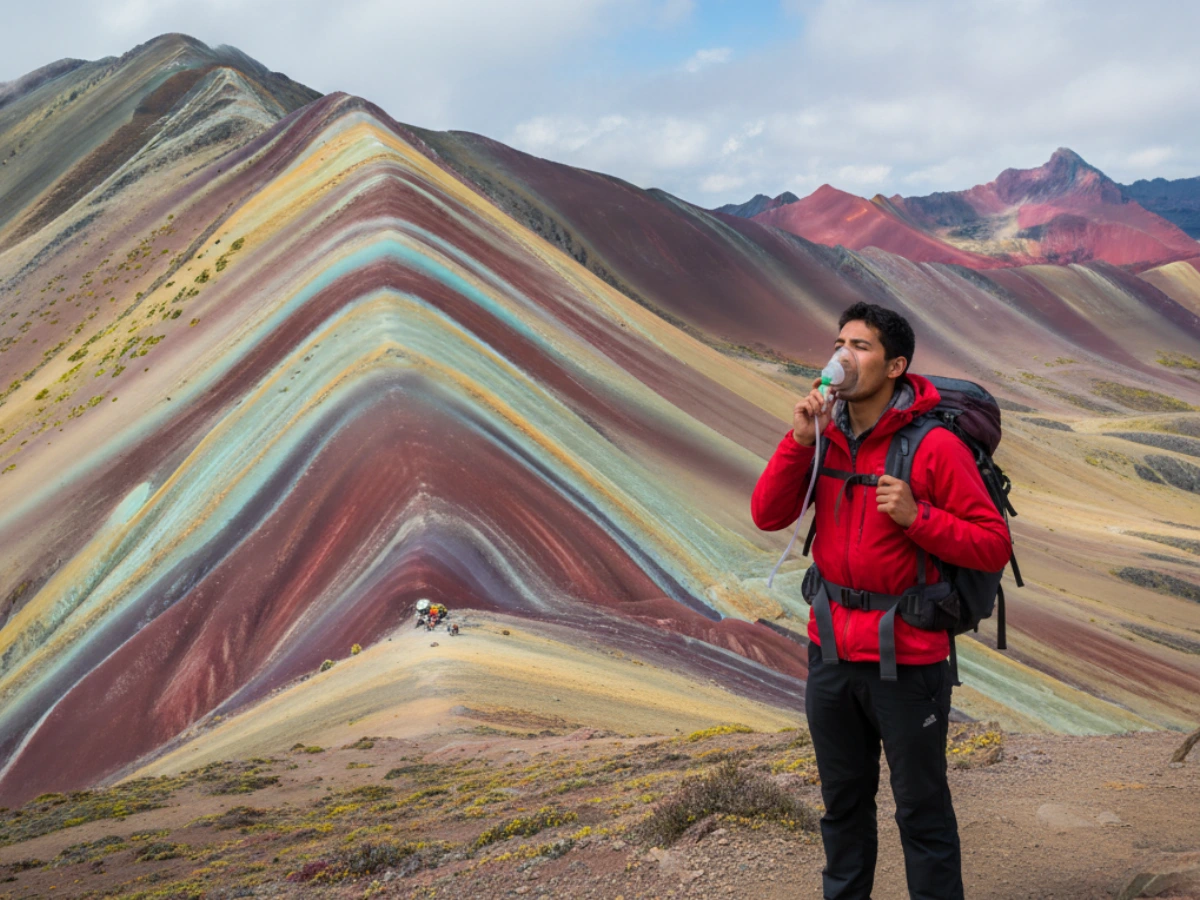
Hey there! I’m from Top Inka Travel, and if there’s one thing I see in every traveler’s eyes upon landing in Cusco, it’s that mix of excitement and nerves about the altitude. Cusco, at 3,400 meters (11,150 feet) above sea level, is a world of Inca ruins and Andean landscapes that takes your breath away—literally. But with the right preparation, altitude sickness in Cusco (or soroche) doesn’t have to ruin your adventure. This guide is for you, coming from sea level or low cities: step-by-step on how to acclimatize to Cusco altitude, symptoms to watch, practical tips, and common mistakes. Backed by real traveler stories and expert advice, we’ll turn that adjustment into part of the magic. Let’s make your days in the ancient Inca capital unforgettable!
What is Altitude Sickness in Cusco and Why Does It Hit So Many People?
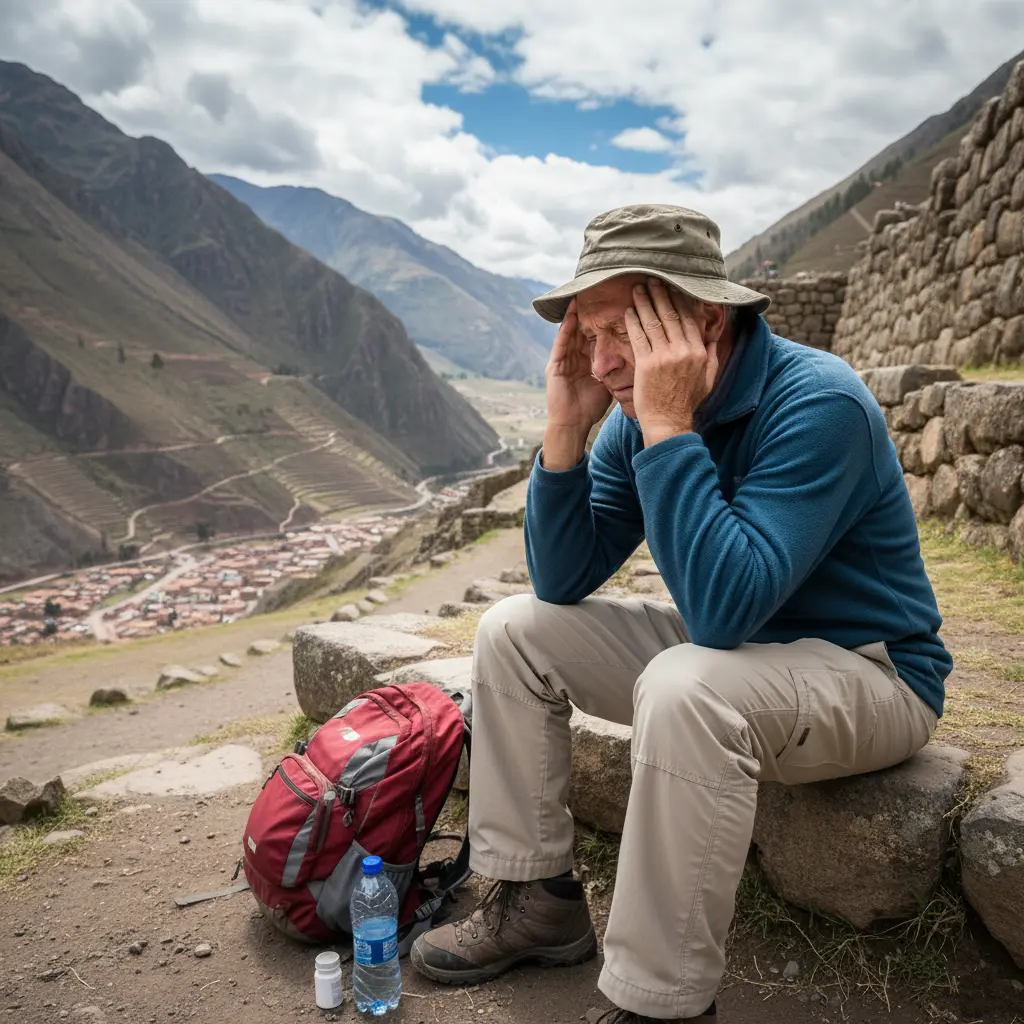
Altitude sickness Cusco, or acute mountain sickness (AMS), happens when your body doesn’t get enough oxygen at high elevations like Cusco’s 3,400 meters. The air here has only 60% of the oxygen at sea level, making your heart race and lungs work overtime. It’s not just for athletes or couch potatoes: it affects 30-50% of visitors in the first days, per studies from the Peruvian University Cayetano Heredia. Mild symptoms—headache, nausea, fatigue—kick in within 6-12 hours, but fade in 1-3 days with precautions.
The key: your body adapts by producing more red blood cells to carry oxygen. But jumping too fast (like flying straight from Lima to Cusco) amps up the shock. Good news: with Cusco acclimatization tips, 90% handle it without serious issues.
Altitude Sickness Symptoms: How to Spot Them and What to Do
Soroche symptoms Cusco vary, but are usually mild and short-lived. Here’s a clear list:
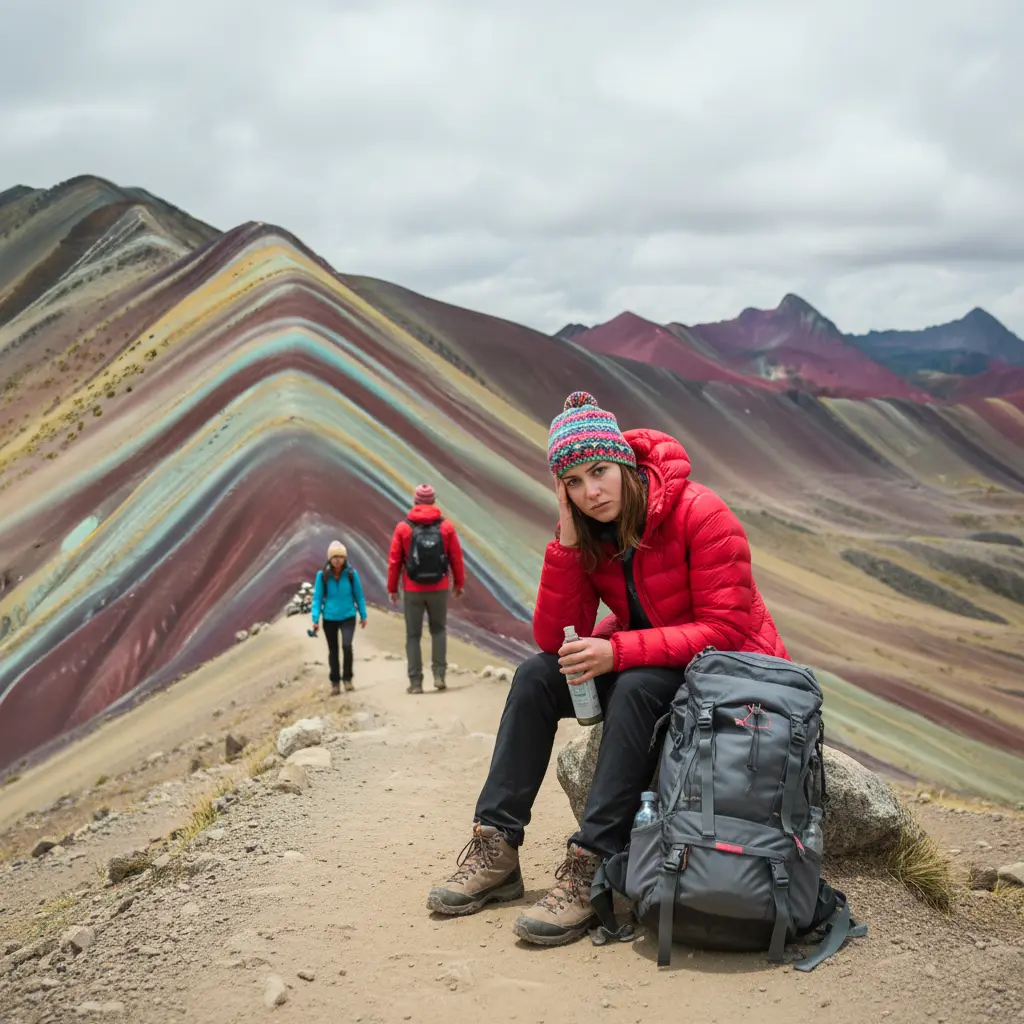
- Mild (hits 70% of cases): Throbbing headache, tiredness when walking, loss of appetite, restless sleep or insomnia, light nausea.
- Moderate: Dizziness, occasional vomiting, trouble breathing at rest, extreme fatigue.
- Severe (rare, 1-2%): Confusion, cough with phlegm, swelling in hands/feet—get medical help ASAP.
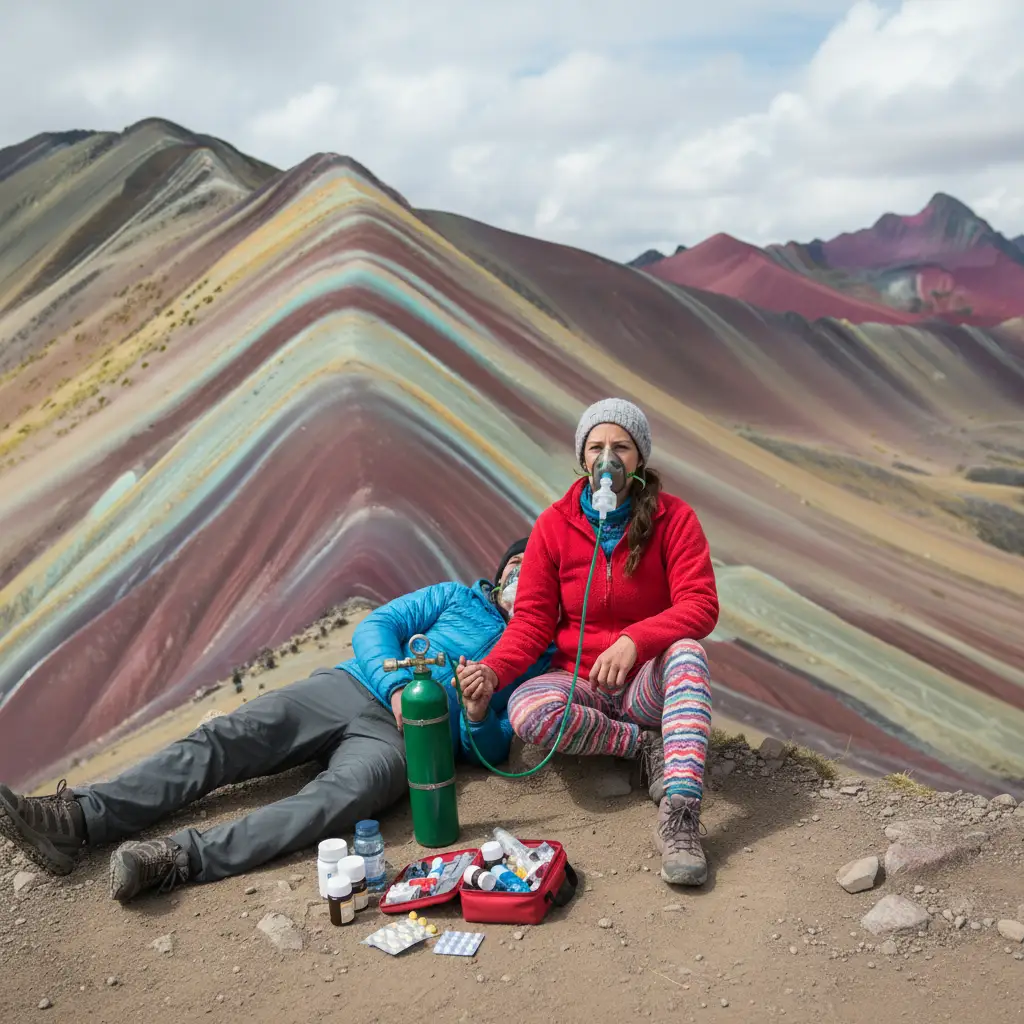
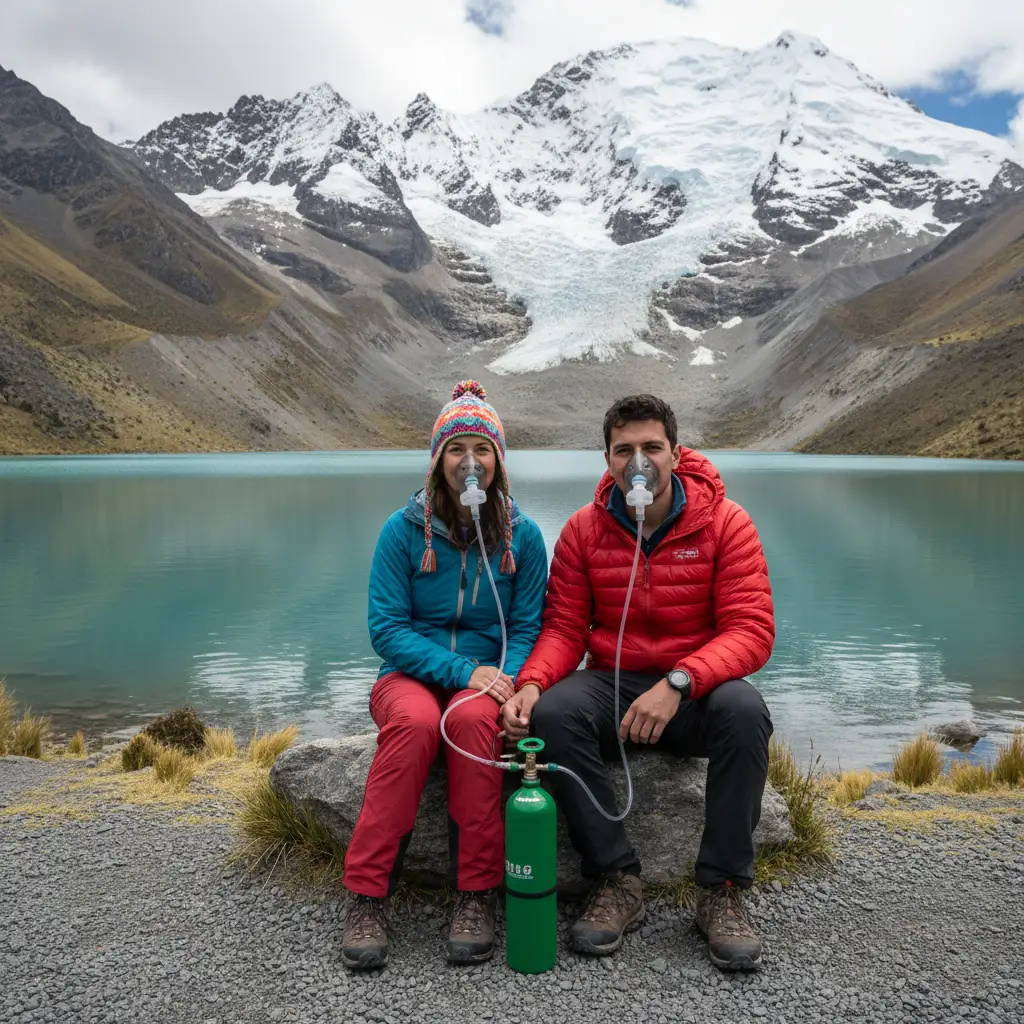
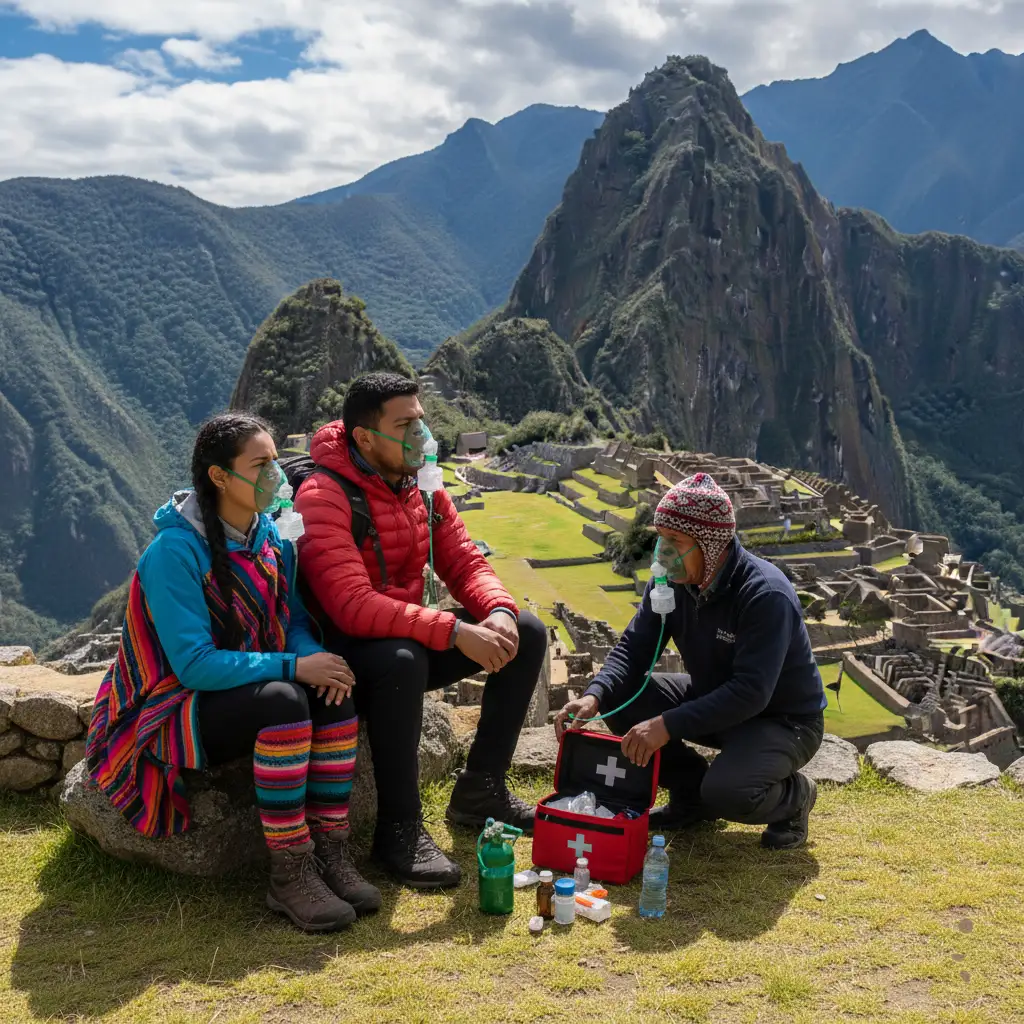
If you feel it, don’t brush it off: drop to 2,500 meters (like the Sacred Valley) and rest. In Cusco, pharmacies sell “soroche pills” (aspirin with caffeine) for relief, but they don’t cure. Oxygen at hotels like the Monasterio is a lifesaver for moderate cases.
How to Acclimatize in Cusco: Your Step-by-Step Plan for the First Days
Acclimatization in Cusco takes 24-72 hours, but this plan minimizes risks:
- Day 0: Before Arrival — If flying from Lima (sea level), spend a night there to ease the jump. Start acetazolamide (Diamox) 24 hours prior if your doctor OKs it—it speeds adaptation by 50%, per Mayo Clinic.
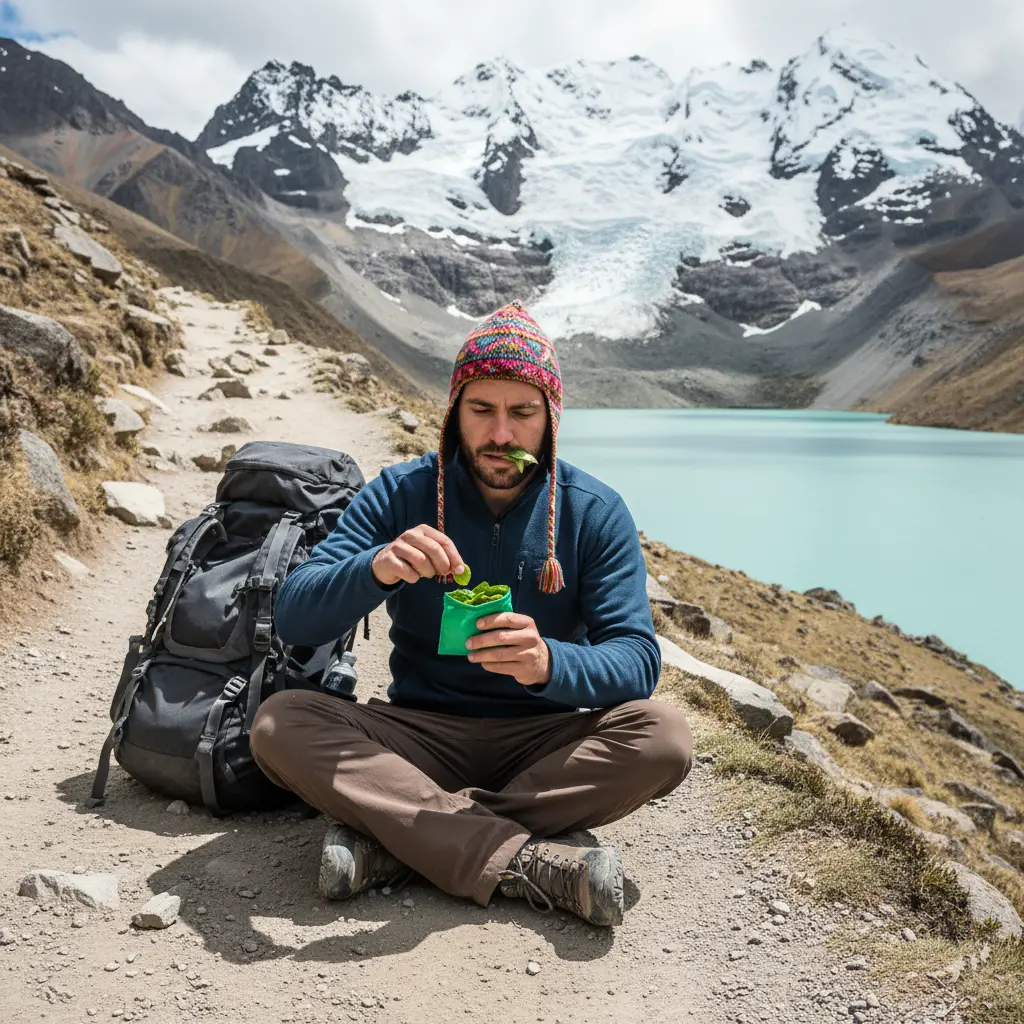
- Day 1: Easy Landing — Hit the hotel and chill. Drink 3-4 liters of water daily (add electrolytes if possible). Stroll slowly around Plaza de Armas—no steep climbs. Try coca tea at a café: it relaxes and aids oxygenation.
- Day 2: Light Movement — Explore on foot: Qorikancha or San Pedro market, but pause every 10 minutes. Eat light—rice, soups, fruits—and skip alcohol/coffee till evening. For nausea, nibble salty crackers.
- Day 3: Bigger Test — Do a short tour like the Cusco City Tour (easy level). If good, head to Sacsayhuamán. Monitor: if resting pulse >100, descend.
Tip: The Sacred Valley Cusco (2,800 m) is perfect for the first 2 days—Ollantaytambo or Urubamba make great bases before Cusco.
Common Acclimatization Mistakes in Cusco and How to Avoid Them
Many fall into traps that worsen soroche:
- Rapid Ascent: Flying straight from sea level to Cusco doubles risks. Solution: Gradual route—Lima > Arequipa (2,300 m) > Cusco.
- Alcohol and Dehydration: A pisco sour on arrival dehydrates. Wait 48 hours and double water intake.
- Early Intense Exercise: Skip the Inca Trail on day 1. Wait for adaptation.
- Ignoring Signs: “It’s normal” isn’t always true. Vomiting >3 times? See a doc—Cusco has 24/7 clinics like CIMA.
Real data: A 2022 Harvard study shows 75% of severe cases are preventable with hydration and rest.
Natural and Medical Remedies for Altitude Sickness in Cusco
- Natural: Coca tea (effective for 60% mild cases, per NIH). Muña herb for nausea. Fresh fruits for vitamins.
- Medical: Acetazolamide (125 mg 2x/day, start 1 day before). Ibuprofen for headaches. Oxygen from pharmacies (S/20/hour).
- In Tours: Our guides carry kits with oxygen and monitor groups.
With Top Inka Travel, Your Acclimatization is Seamless
At Top Inka Travel, we weave acclimatization into every tour: transfers to the Sacred Valley, slow paces, and guides who know soroche inside out. Office at Calle Nueva Alta n° 495, Cusco. Message us for a custom plan.
Cusco awaits—acclimatize smart and live the magic!