

Hello, curious traveler!
I’m part of the Top Inka Travel team, and let me tell you something honestly: among all the places around Cusco, Qenqo Cusco is the one I’m always the most excited to show visitors. It’s not the biggest site, nor the one you see on every postcard, but the moment you walk down that narrow stone staircase and step into the heart of the rock, something shifts.
The air gets cooler and heavier, light filters through impossible cracks, and it feels like the mountain is breathing with you.
If you’re searching from the U.S. for “Qenqo Cusco”, “Qenqo ruins”, “Qenqo tour Cusco”, “things to see in Qenqo”, “how to visit Qenqo”, “Qenqo entrance ticket”, or “Qenqo solstice”, this is the most complete guide you’ll find online. I’ll walk you through every corner, legend, and feeling that makes thousands of travelers say:
“Qenqo was the place that surprised me the most in Cusco.”
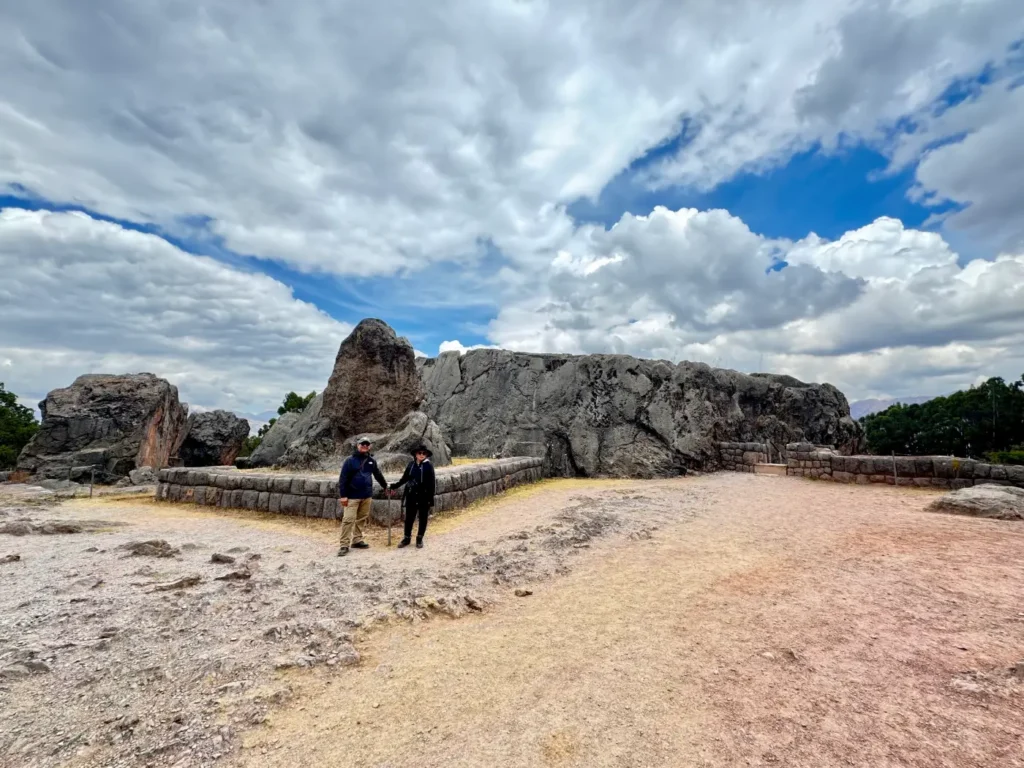
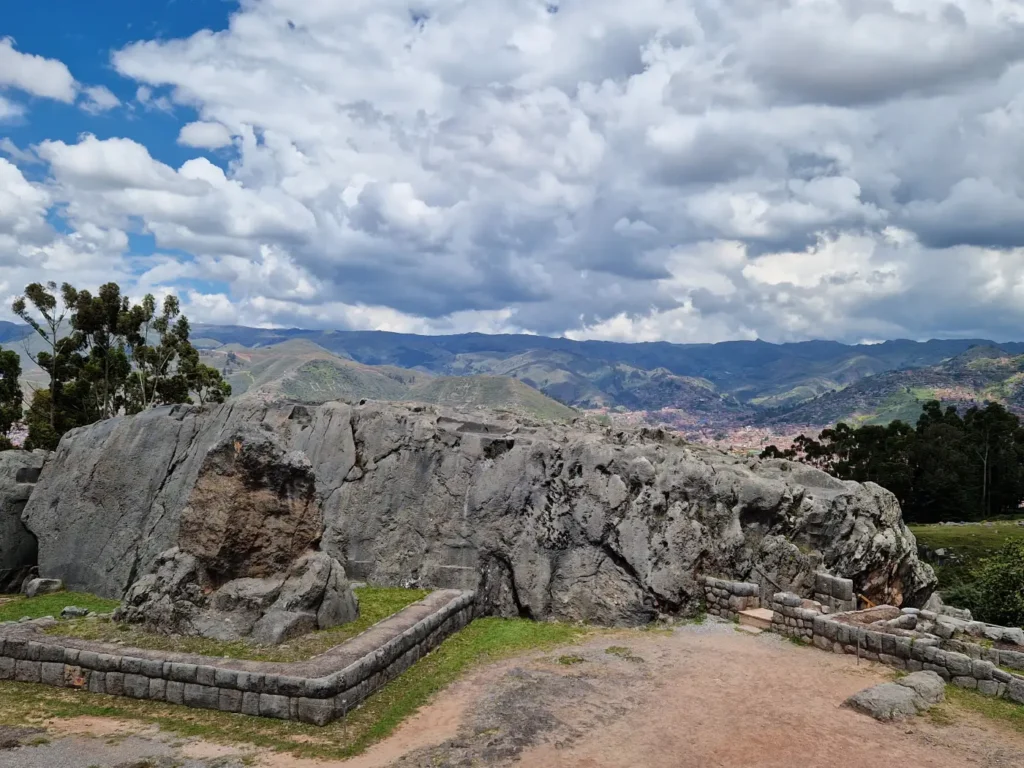
What Is Qenqo and Why It Will Blow Your Mind
Just 4 km northeast of downtown Cusco (about a 15-minute taxi ride from the Plaza de Armas), at 3,580 meters above sea level, Qenqo — meaning “labyrinth” or “zigzag” in Quechua — is a sacred Inca sanctuary carved inside the mountain itself.
It’s nothing like a typical temple.
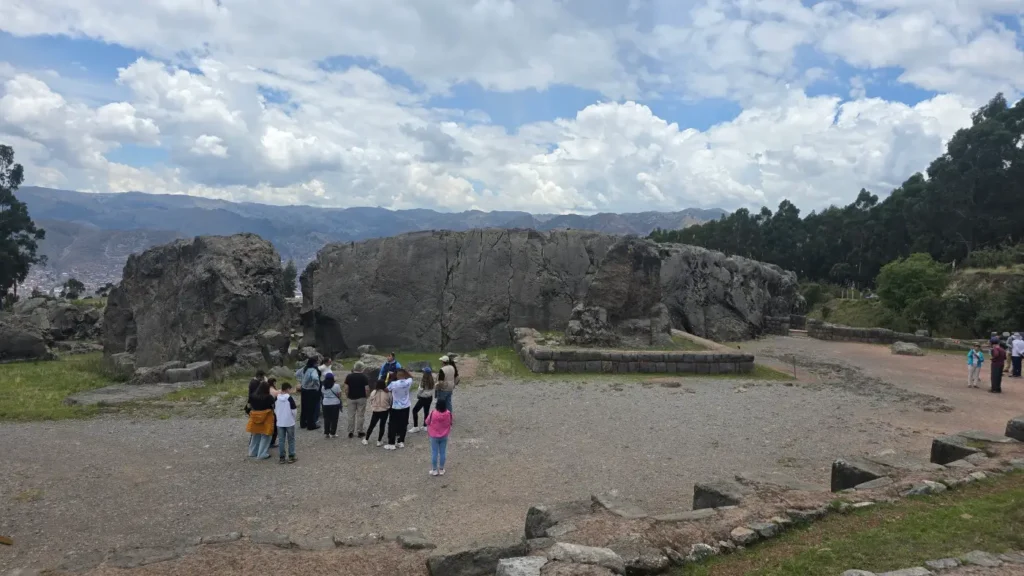
Qenqo is a massive natural limestone formation turned into one of the most intimate and mysterious ceremonial centers of the Inca Empire.
Here, nobles purified themselves before entering Cusco; high-ranking figures were mummified; and rituals were performed to maintain balance between the three Andean worlds:
- Hanan Pacha (the upper world)
- Kay Pacha (the world of the living)
- Ukhu Pacha (the underworld)
Travelers from the U.S. often search for “Inca ceremonial sites in Cusco” or “hidden Inca temples”, and Qenqo is exactly that.
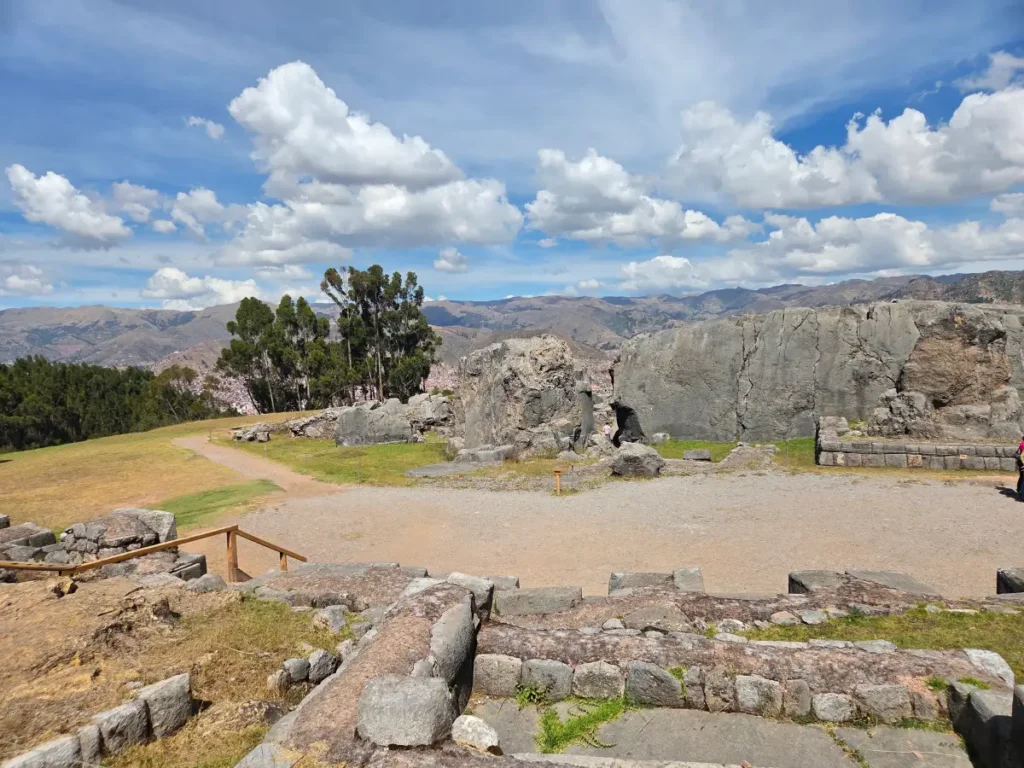
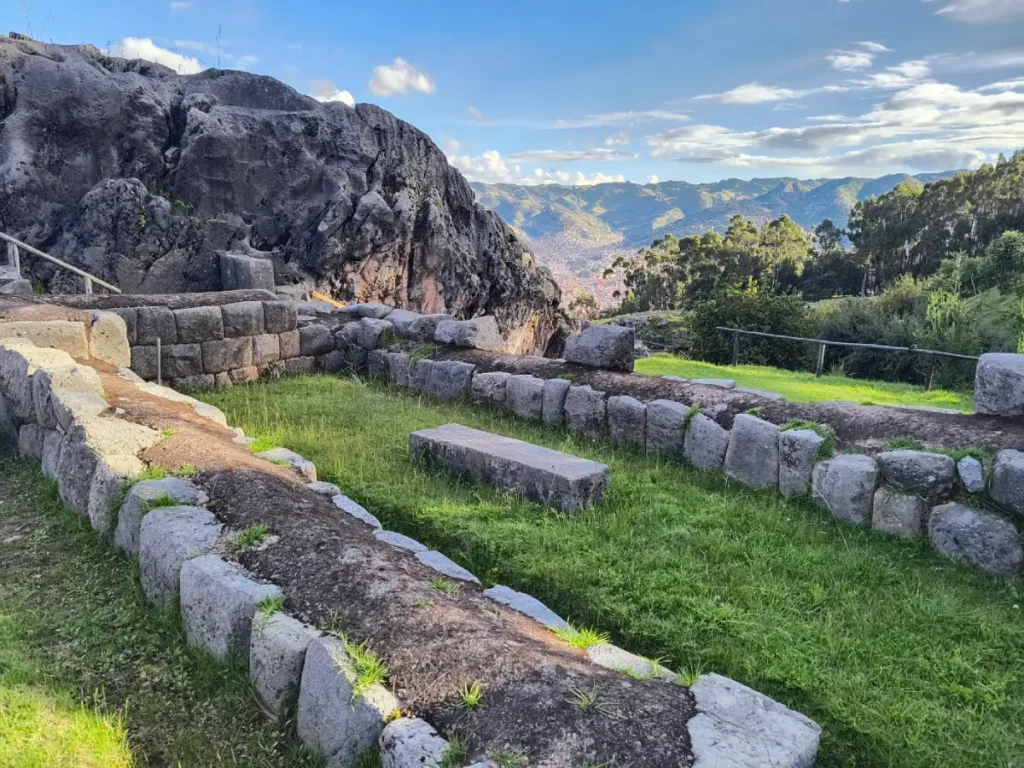
The Great Amphitheater: 19 Niches That Face the Sky
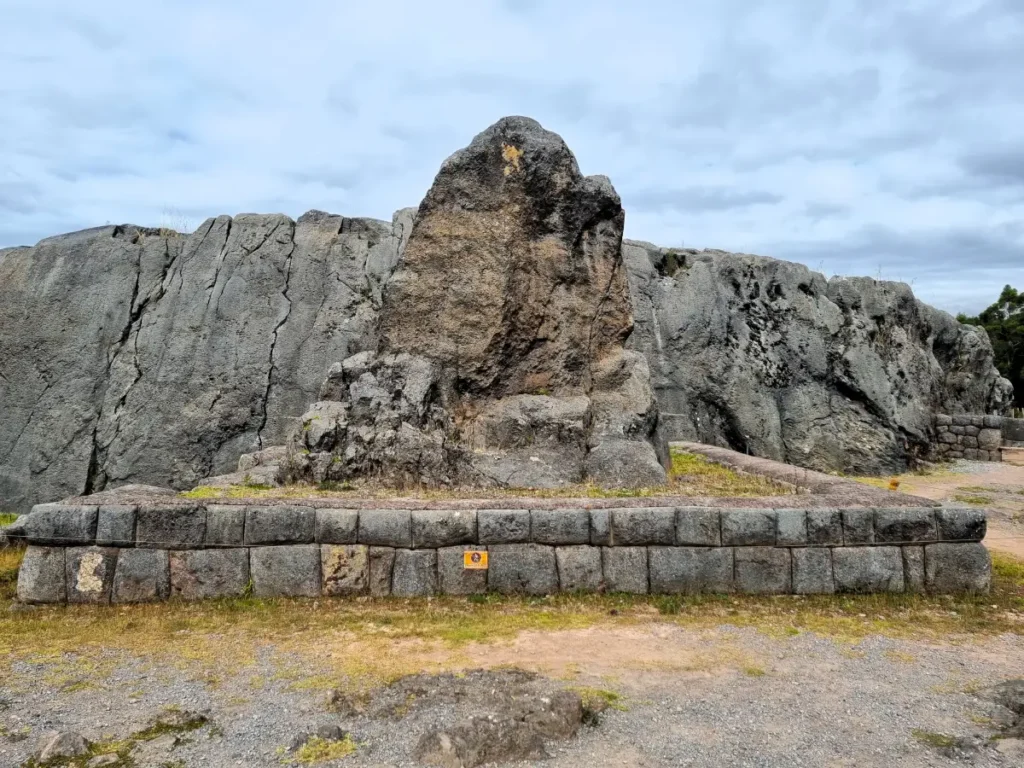
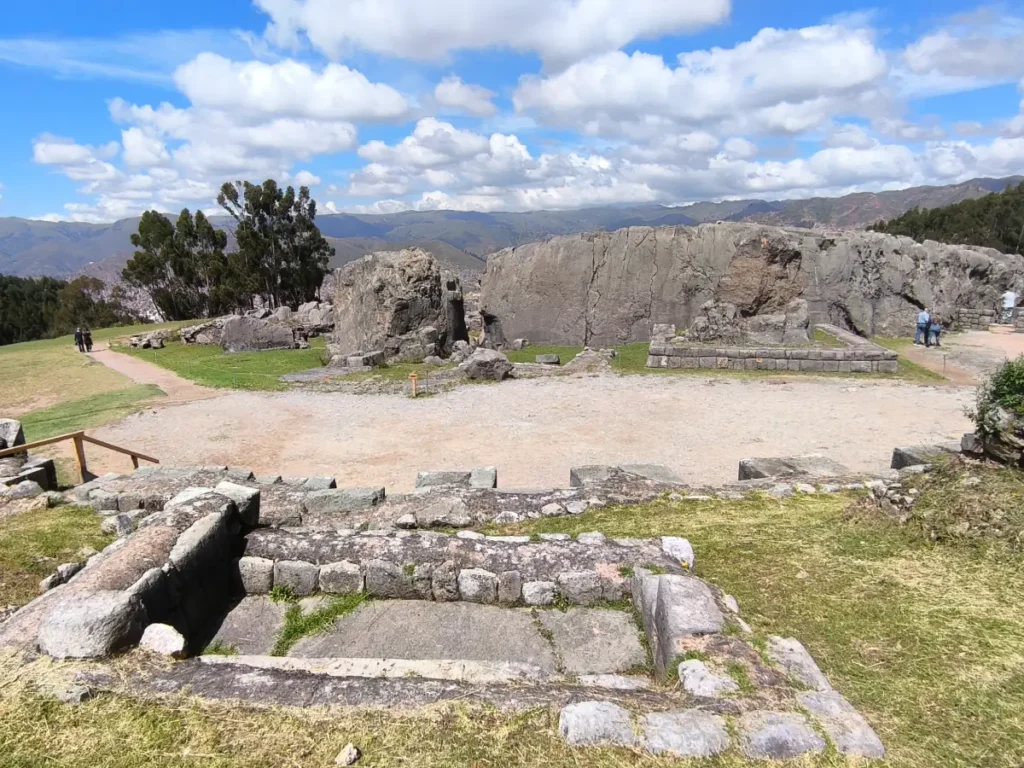
Your visit starts with a semicircular amphitheater carved directly into the rock. It features 19 perfectly shaped trapezoidal niches, believed to have served as thrones for elite mummies during ceremonies or as astronomical alignments to observe constellations.
At sunset, shadows shift inside the niches. One traveler recently told me:
“I felt like the Incas were watching me from inside those openings.”
The Underground Chamber: Where the Rock Speaks Back
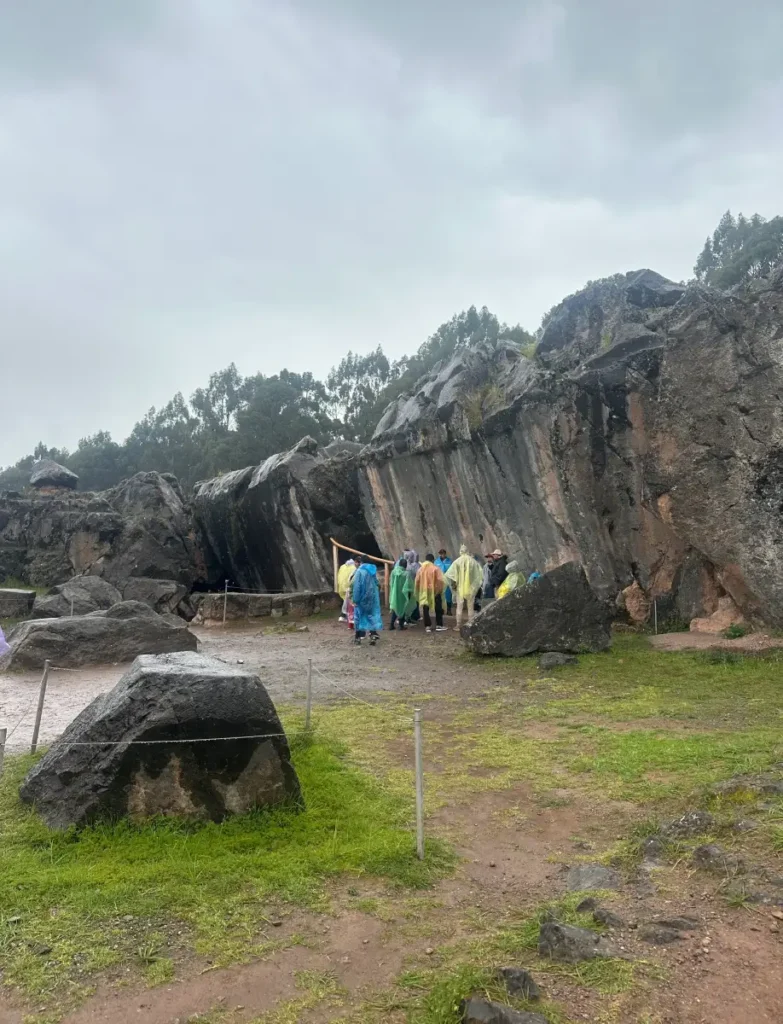
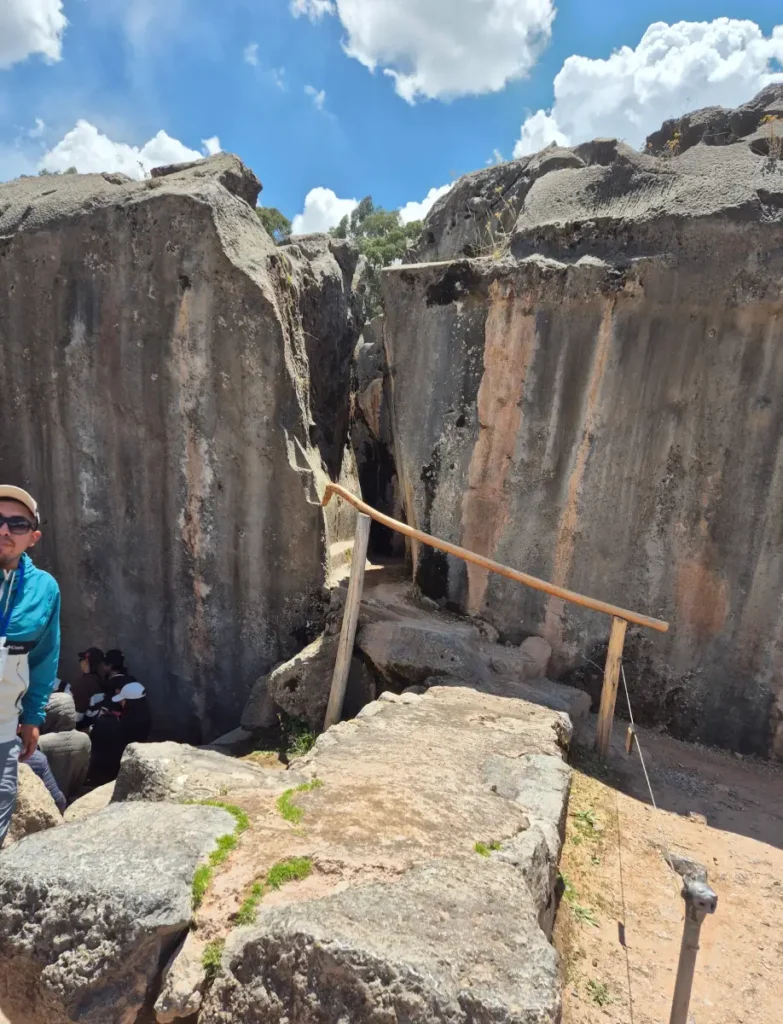
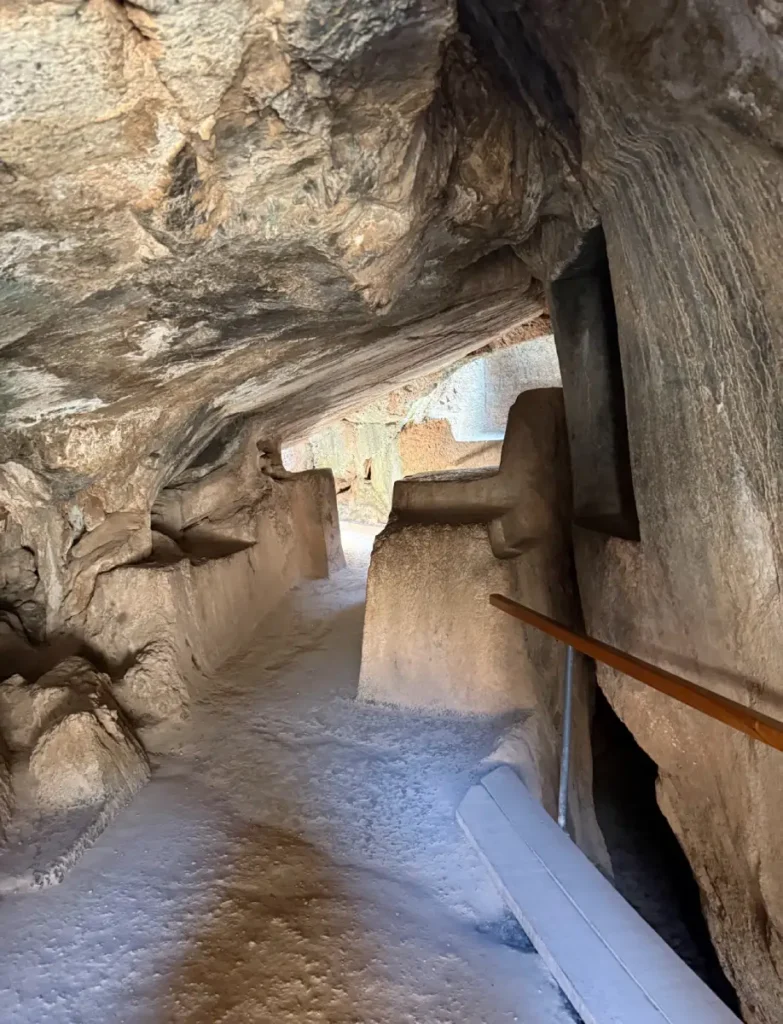
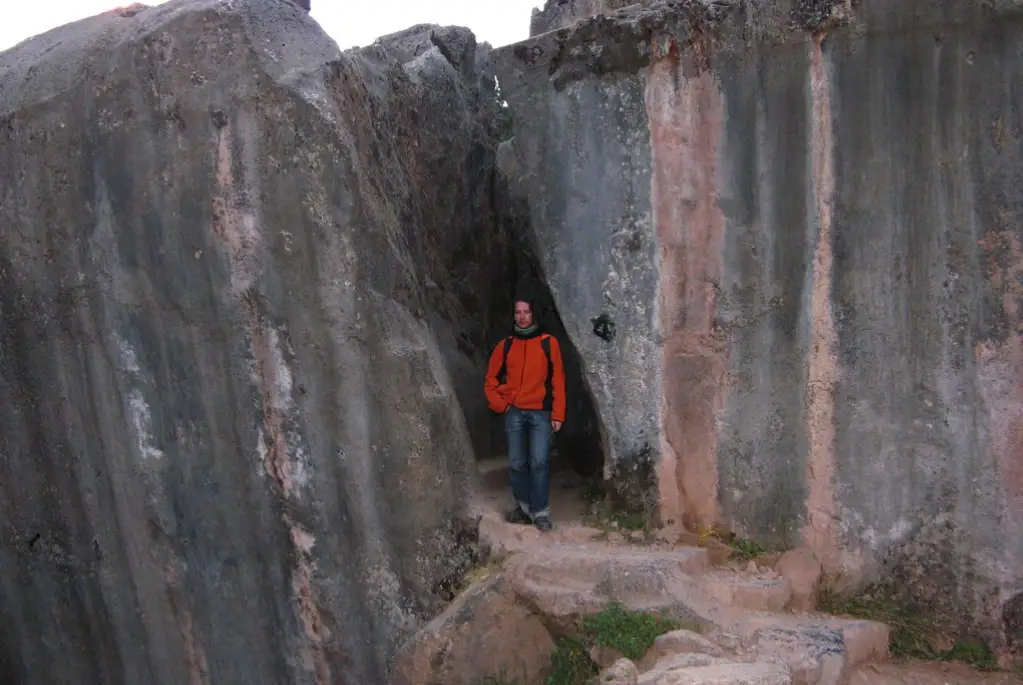
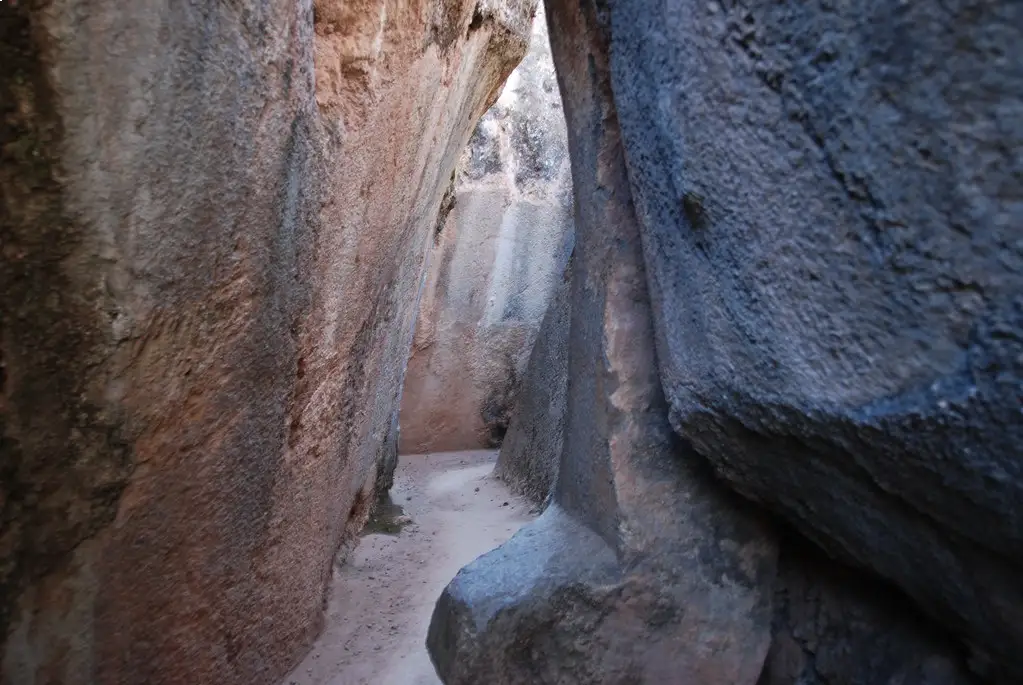
A narrow staircase leads you into the mountain’s interior a cold, dark, silent chamber. At the center lies a beautifully polished stone altar with intricate zigzag channels that converge into a deep cavity.
Ceremonial liquids were offered here: chicha, llama blood, and in exceptional rituals, human blood. Whatever was poured into the altar ran through the channels into the earth, a direct message to the gods of Ukhu Pacha.
The acoustics are uncanny. A whisper near the altar can be heard clearly from the opposite side. Many travelers get chills. I always ask:
“Did you hear something?”
Most say yes — even if it’s only the wind.
The Intihuatana and the Sunbeam That Changes Everything
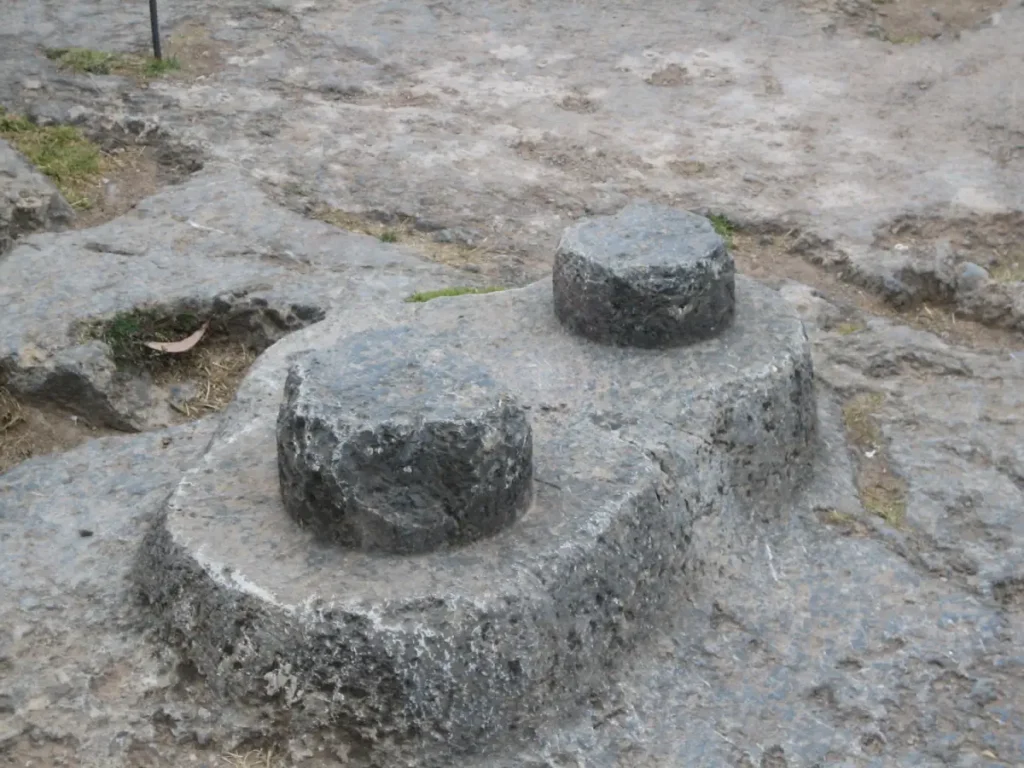
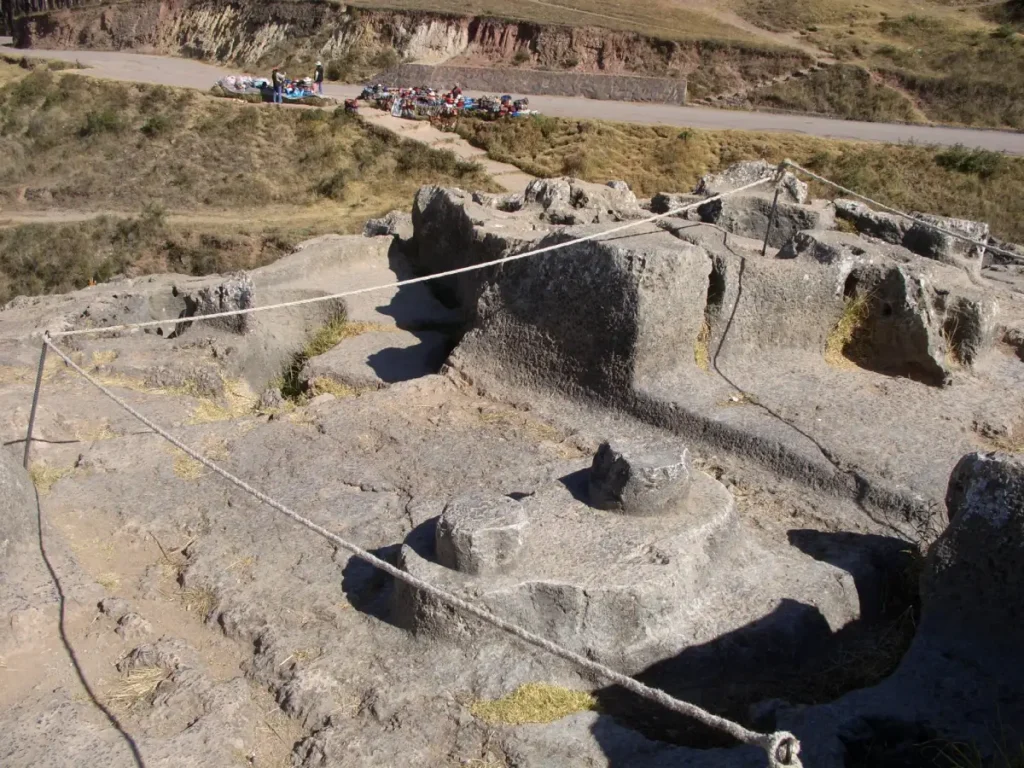
At the top sits a small intihuatana, a carved stone cylinder aligned with the sun.
Twice a year — June 21 and December 21 — a single ray of sunlight enters through a perfectly aligned opening and strikes the underground altar.
If you’re planning to come for the solstice, book early. The alignment is so precise it feels like a direct response from the gods.
Secret Tunnels and Legends That Still Breathe
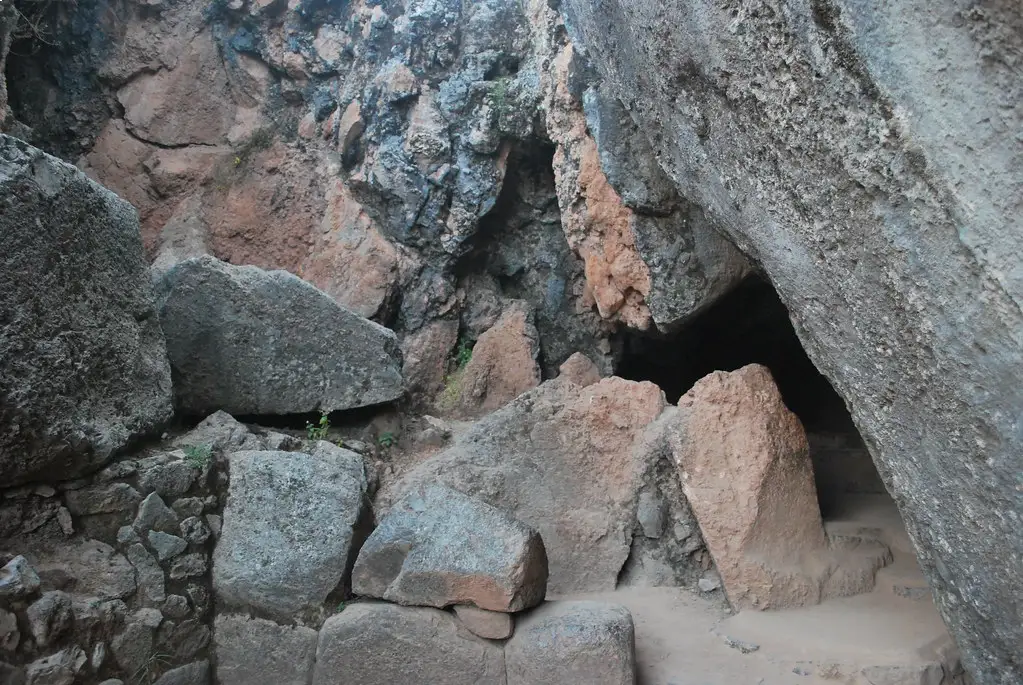
Qenqo includes narrow tunnels carved deep into the rock. Local tradition says they once connected to the Coricancha and were used by priests in trance to communicate with the apus (mountain spirits).
Some legends claim that the most important nobles were mummified here, and that the stone channels turned red during solemn ceremonies. Another says that if you listen carefully inside the chamber, you’ll hear an underground river — the same one that once fed ancient ritual baths.
U.S. readers often look for “mysterious Inca sites”, “underground Inca chambers”, and “Inca rituals explained” — and Qenqo fits all of them.
How to Get to Qenqo + Practical Information
Qenqo is only 4 km from central Cusco.
A taxi takes about 15 minutes (20–30 soles round trip with waiting time). You can also take a local colectivo (“Señor del Huerto” or “Cristo Blanco”) for 1 sol and walk five minutes.
Entrance is included in the Boleto Turístico del Cusco (partial: 70 soles, full: 130 soles).
Opening hours: 7:00 a.m. – 6:00 p.m. daily.
Altitude: 3,580 m — it’s best to acclimatize first.
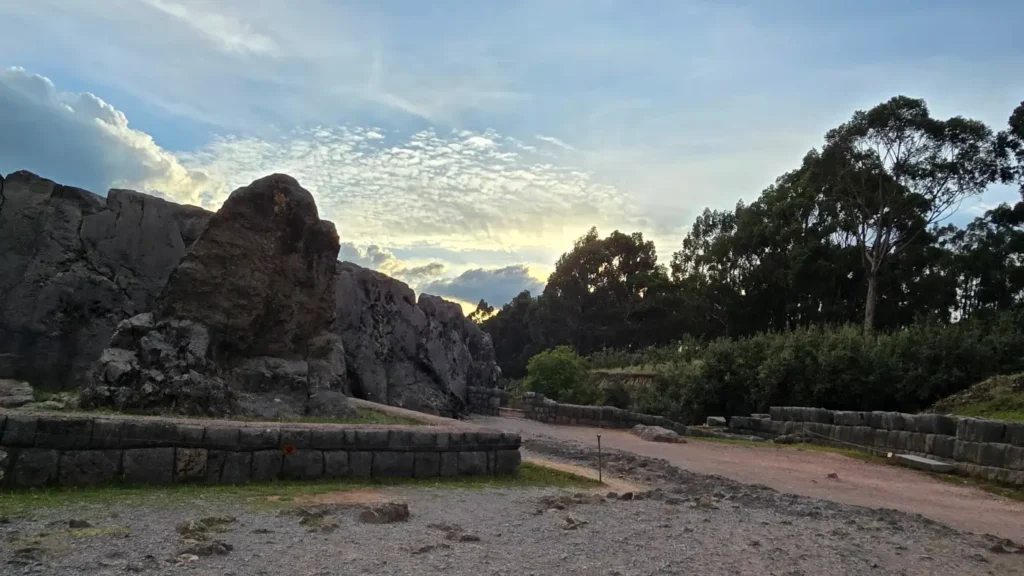
The best times to visit are early morning or late afternoon, when the light creates dramatic textures on the rock.
Why Qenqo Becomes Everyone’s Hidden Favorite
Because it’s peaceful.
Because you touch the same stone priests touched centuries ago.
Because silence, light, and wind make time feel suspended.
When you exit the underground chamber and see Cusco stretching below you, you understand exactly why the Incas chose this place to speak with their gods.
Travelers from the U.S. searching for “best Inca sites near Cusco”, “non-touristy places in Cusco”, or “Inca spiritual sites” always end up loving Qenqo.
Experience Qenqo with Top Inka Travel
We offer private tours and small-group visits with plenty of time to explore, connect with the place, and combine it with Sacsayhuamán, Tambomachay, and the Temple of the Moon.
Office: Calle Nueva Alta #495, Cusco
Send us a WhatsApp message and we’ll plan the perfect experience for you.
Qenqo isn’t just a ruin.
It’s an experience that stays with you forever.