
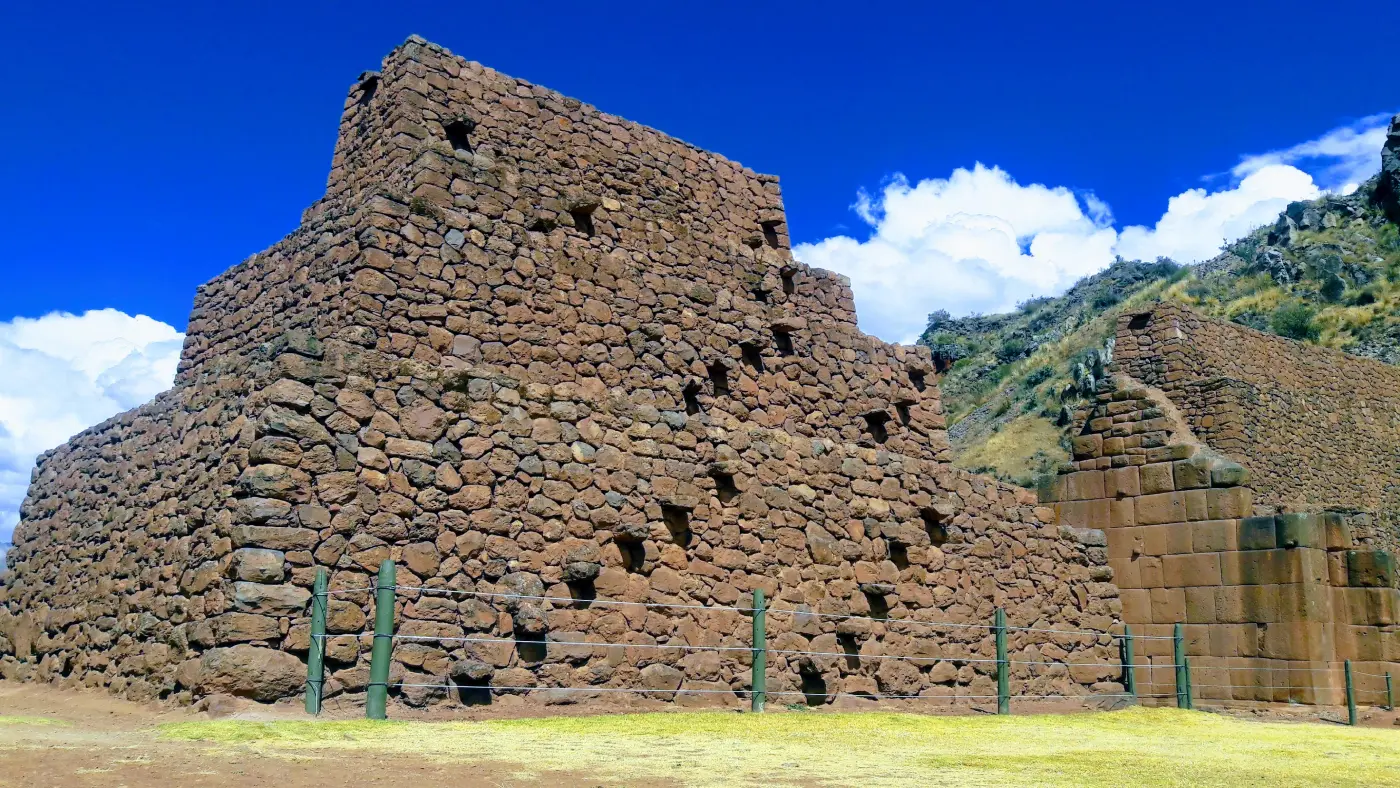
Hello! I’m part of the Top Inka Travel team, and if there’s one place that always leaves me thinking about how ingenious our ancestors were, it’s Pikillacta. Imagine walking through a city of stone and adobe that seems taken from an ancient tale, with straight streets, high walls, and views of lagoons and mountains that take your breath away. This archaeological site in the South Valley of Cusco isn’t just ruins: it’s a living piece of pre-Inca history that makes you feel as if you’ve stepped back in time. If you’re planning what to do in Pikillacta Cusco, I’ll tell you everything: its fascinating history, how to get there, what to see, and why you should include it in your trip to Peru. It’s a perfect destination for those looking for something less crowded than Machu Picchu, but just as impressive.
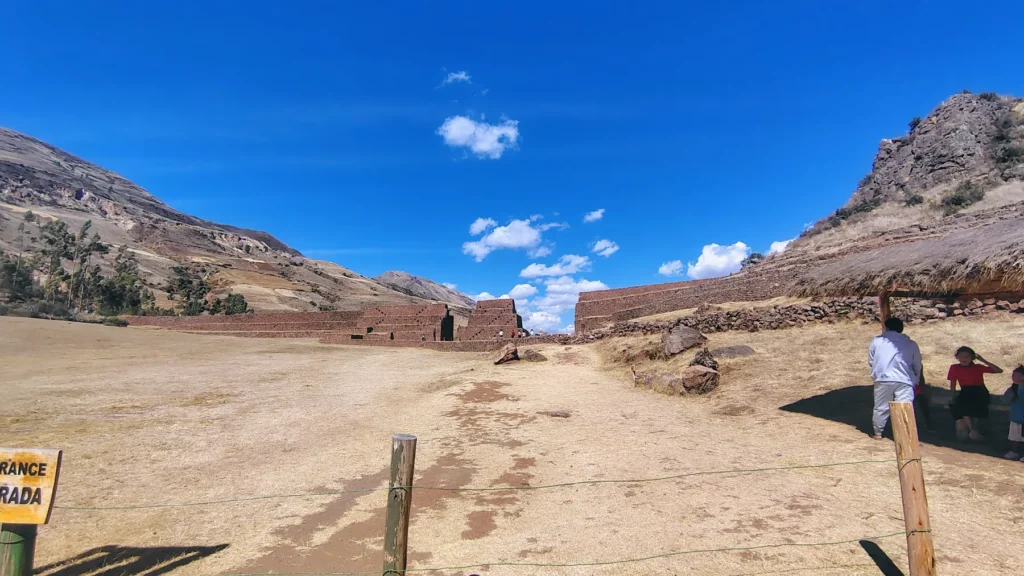
What is Pikillacta? A Pre-Inca Treasure in Cusco
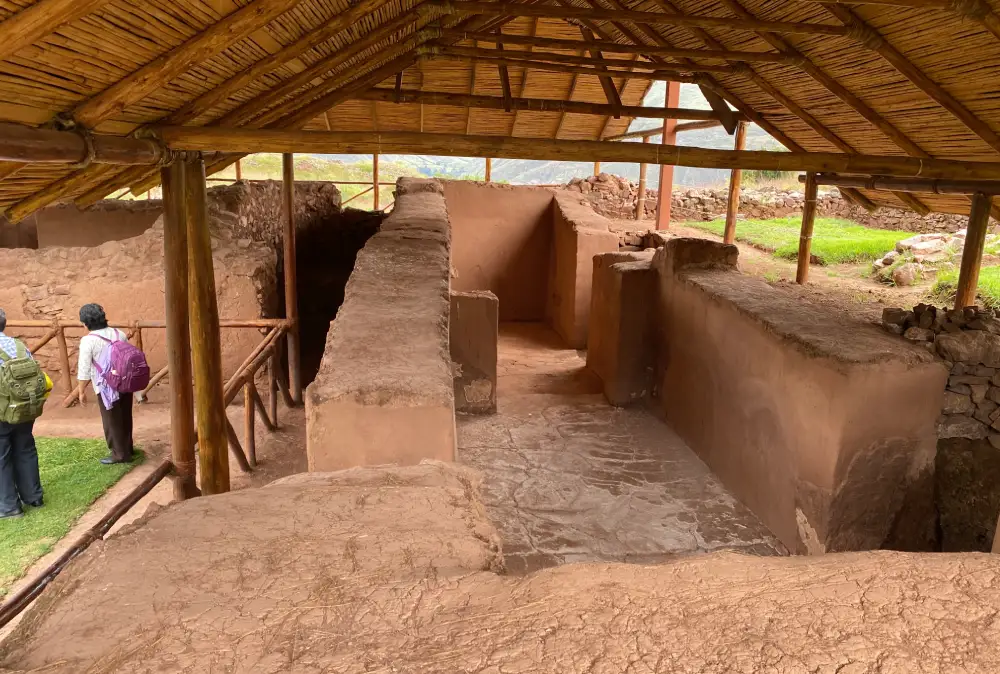
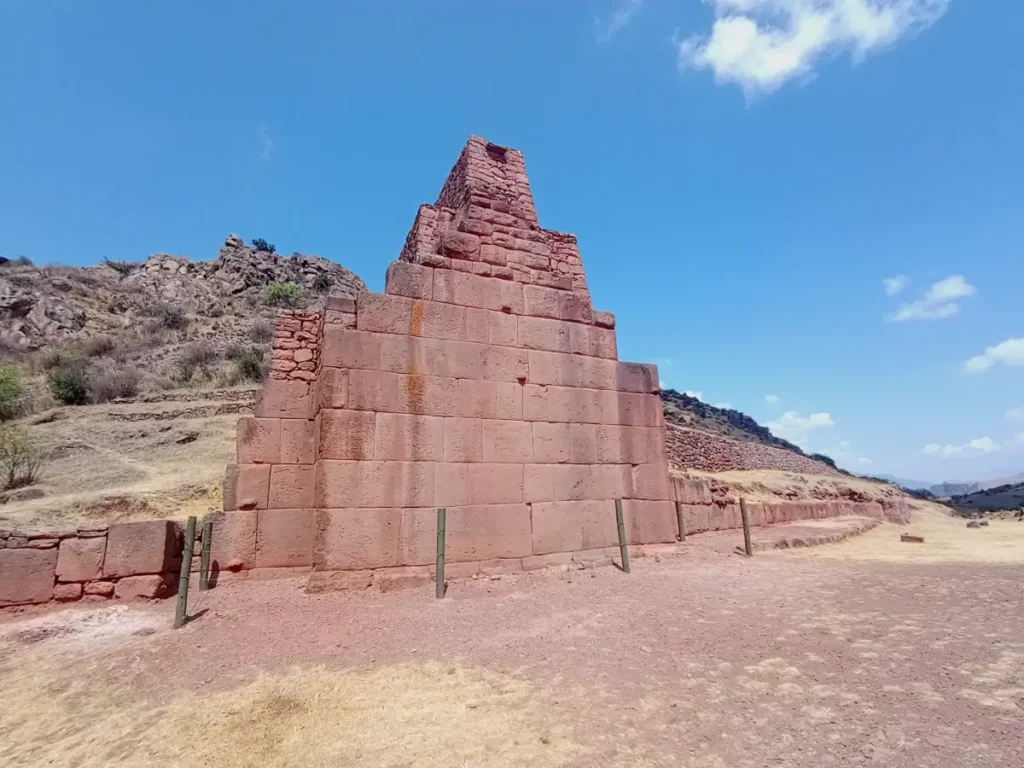
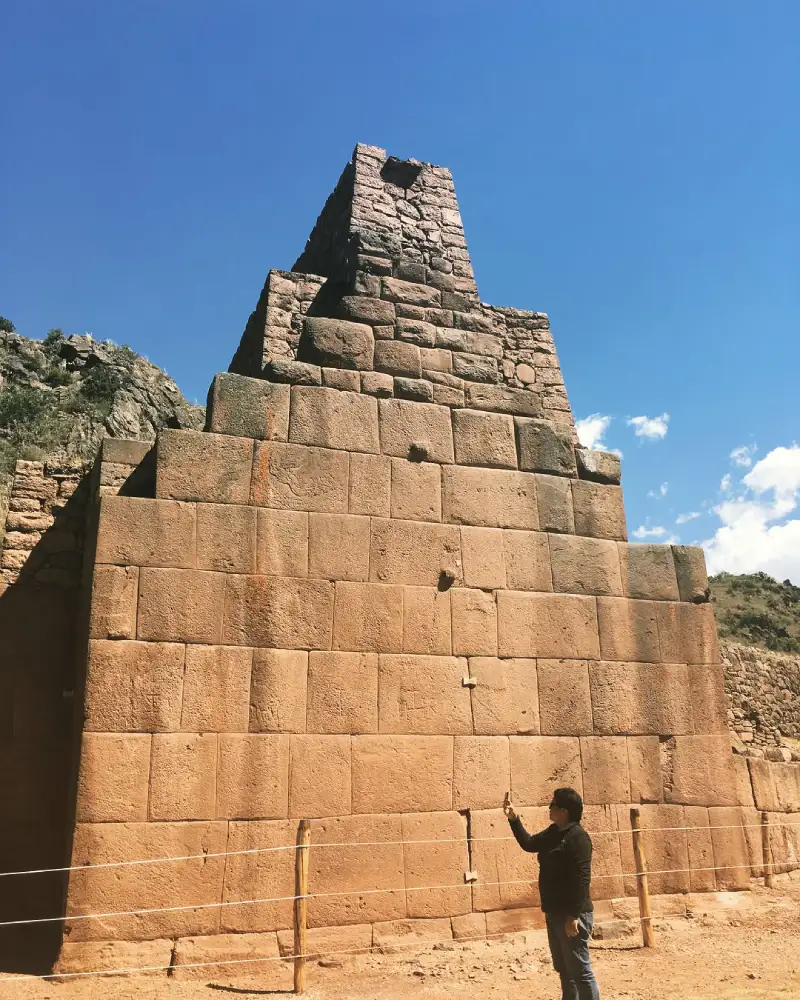
Pikillacta, which in Quechua means something like “town of fleas” or “small town” (due to the tiny doors and passageways that resemble nests), is a huge archaeological complex built by the Wari culture over 1,300 years ago. These builders, who came from what is now Ayacucho, created one of the largest and best-planned cities in the Andes before the Incas arrived. It covers about 50 hectares, with over 700 buildings of up to three stories, walls seven meters high, and a design that looks like a giant honeycomb. It wasn’t just a village: it’s believed to have served as an administrative and military center, a place to control trade routes between the highlands and the coast, and perhaps even to store food like corn, which was gold in those days.
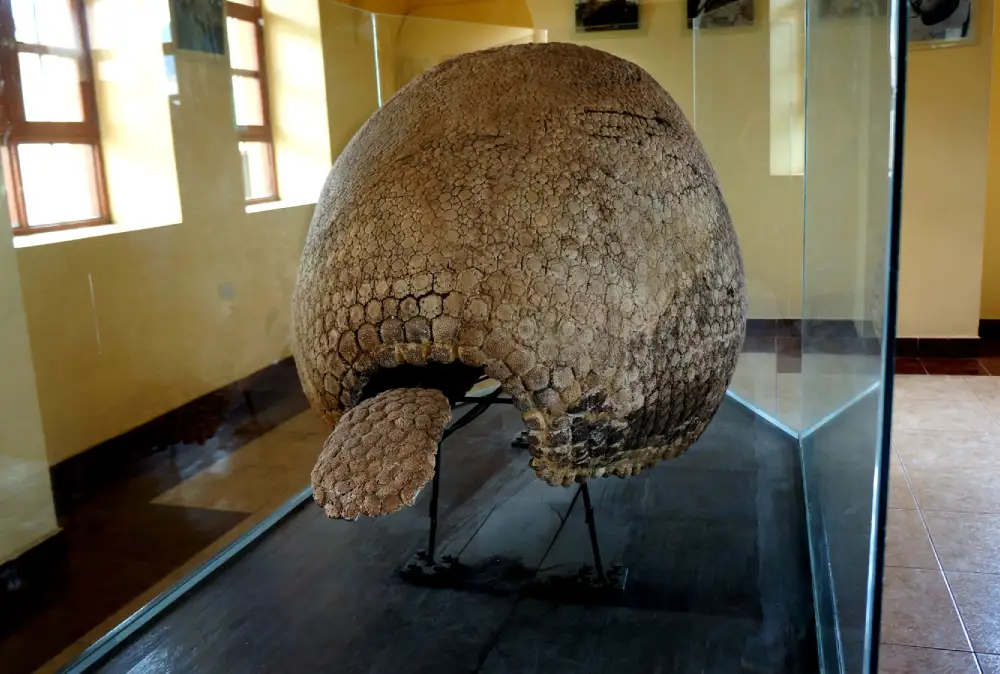
What impresses me the most is how the Wari thought of everything: perfectly gridded streets, water channels that still work, and platforms for cultivation. Abandoned around the 10th century, perhaps due to droughts or invasions, Pikillacta remained a secret until modern explorers rediscovered it. Today, it’s part of the Pikillacta Archaeological Park, with a small museum showing pottery, tools, and even fossils of giant armadillos found around there. If you’re looking for the meaning of Pikillacta, it’s a reminder that before the Incas, there were already geniuses of architecture in these lands.
The History of Pikillacta: From the Wari Culture to Today
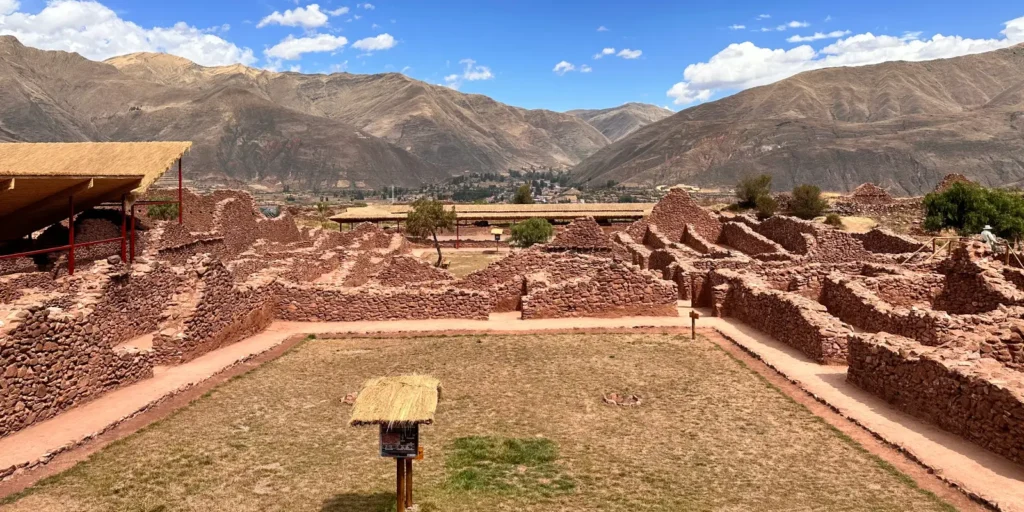
The history of Pikillacta begins around 600 AD, when the Wari expanded their influence throughout southern Peru. This culture, which some call the first Andean “empire,” arrived in Cusco seeking fertile lands and key routes. They built Pikillacta in the Lucre valley, near Lake Huacarpay, because it was a perfect crossroads between rivers like the Huatanay and Vilcanota. Imagine: a city that housed up to 10,000 people, with separate neighborhoods for elites, workers, and perhaps even sacred ceremonies.
The Incas, centuries later, used parts of Pikillacta as a control point on their royal roads, but didn’t modify it much. With the arrival of the Spanish, the name “Pikillacta” became popular due to the “fleas” in its narrow passages, though the original might have been “Muyuna,” meaning “circuit” or something mysterious. In the 20th century, archaeologists like Gordon McEwan excavated the site and revealed its secrets: tombs with ritually deformed skulls, irrigation channels, and evidence that it was a center of power. Today, Pikillacta Peru is a protected site, part of the Cusco Tourist Ticket, and a place where you can touch history without the crowds.
How to Get to Pikillacta? Easy and Quick from Cusco
If you’re wondering how to get to Pikillacta from Cusco, it’s simpler than you think. The site is just 30-45 minutes south of the city, via the Cusco-Puno highway (Route 3S), in the Lucre district, Quispicanchi province. The altitude is about 3,250 meters, so if you’re coming from Lima, spend a day in Cusco to acclimatize.
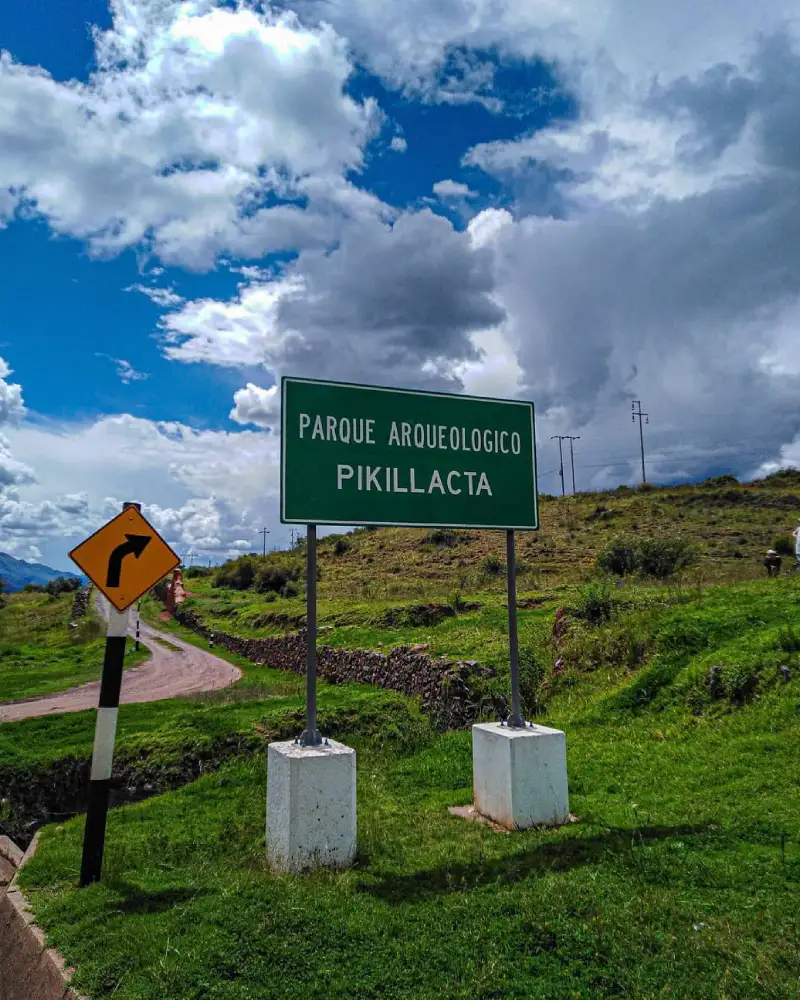
- By public transport: Take a bus or colectivo from Avenida Huayruropata in Cusco to Sicuani or Urcos (costs about 5-10 soles, roughly $1.5-3). Ask to get off at the Pikillacta entrance; it’s well-signposted and a short walk from the park.
- By taxi or private car: A taxi costs 50-80 soles ($15-25) round trip and drops you at the gate. Ideal if you’re with family.
- With an organized tour: The best option to avoid complications. At Top Inka Travel, we include it in our Cusco South Valley Tour, a half-day (5-6 hours) that combines Pikillacta with Tipón (Inca gardens with channels) and Andahuaylillas (the “Sistine Chapel of the Americas” with colonial paintings). We pick you up from your hotel, with a bilingual guide, comfortable transport, and everything included. Affordable price and saves you the stress.
Arrive early, around 8 a.m., to avoid the strong sun and have the site almost to yourself.
What to See and Do in Pikillacta: A Step-by-Step Tour
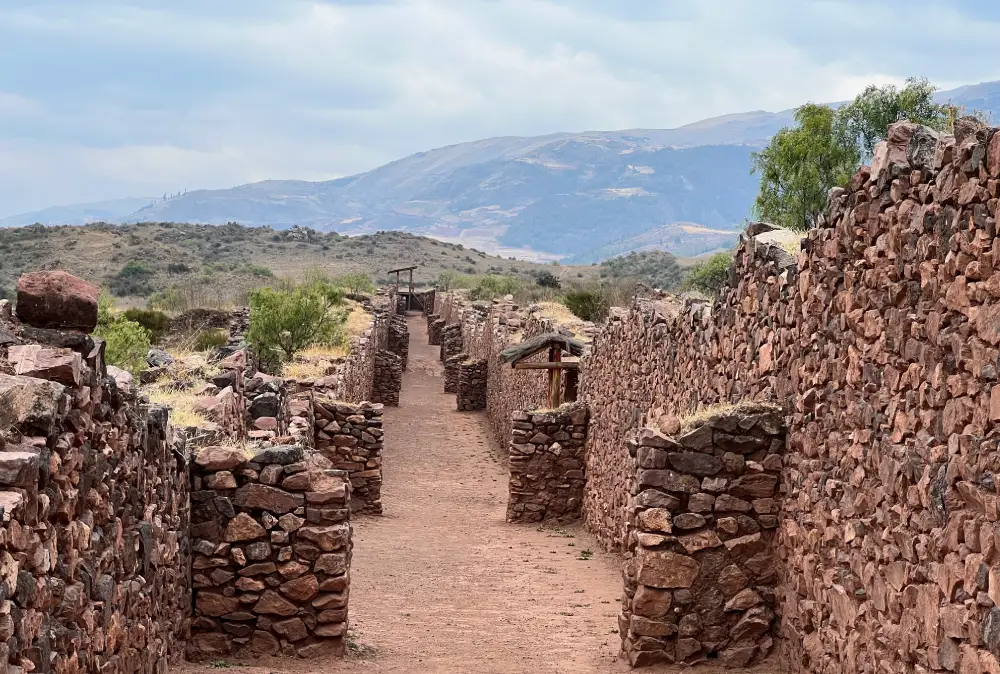
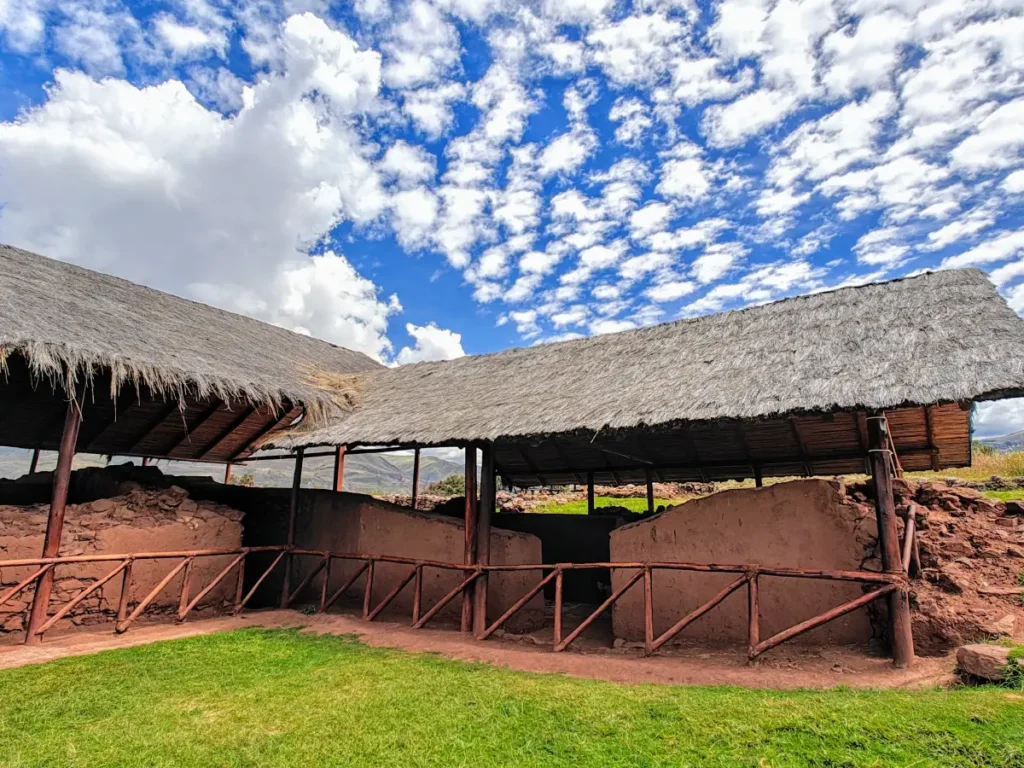
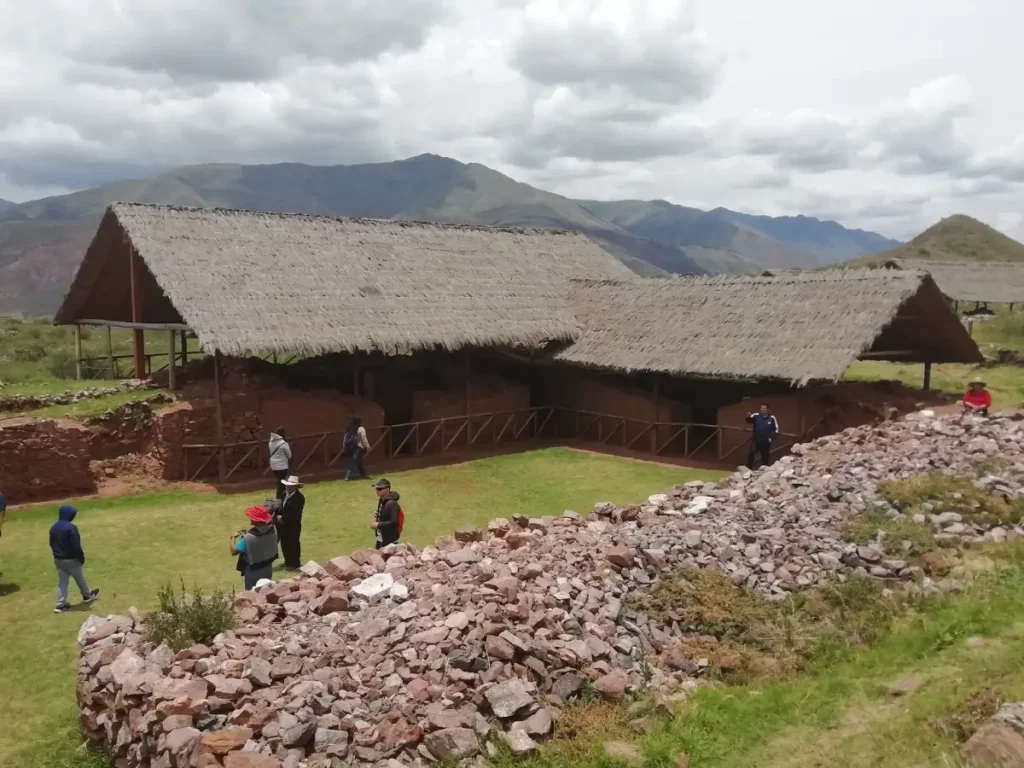
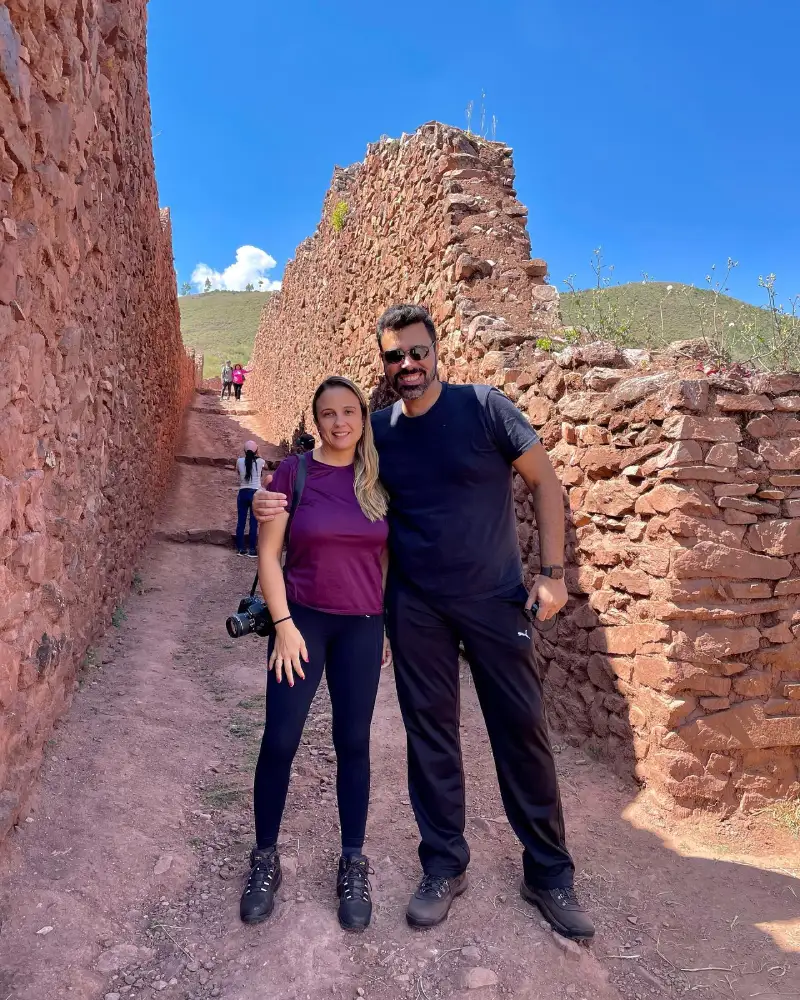
Exploring the Pikillacta ruins is like a walk through a giant ghost town. The complex is divided into sectors, and with a guide, everything comes to life. Start in the Main Sector, the largest area with two- and three-story adobe buildings, trapezoidal doors (typical of the Wari), and straight streets that make you feel like you’re in an ancient maze. Climb the platforms for panoramic views of Lake Huacarpay, where you can see birds and perhaps flamingos.
Don’t miss Torrecillas, a semicircular set that looks like a residential neighborhood, or Amarupata (“place of snakes”), with stone platforms and water channels that still irrigate local fields. There are corrals for llamas and alpacas, reminding you of the daily life of the Wari. Spend 1-2 hours walking (it’s easy, with marked paths), and visit the on-site museum when you enter: it shows pottery, tools, and fossils that tell you about daily life.
If you love nature, combine it with a walk around Lake Huacarpay for bird watching. In the dry season (May-October), the weather is sunny (15-23°C day, 3-5°C night), perfect for photos. In the rainy season (November-April), bring a poncho, but the green landscapes are magical. The difficulty is low: flat walks, suitable for all ages over 5.
Why Visit Pikillacta: My Personal Story
I have led groups to the South Valley of Cusco —and particularly to Pikillacta— more times than I can count, and every visit is still special. The first time, a traveler told me: “This is like seeing the forest before the Inca trees.” And he was right: here you understand that Cusco did not begin with the Incas. Long before, the Wari were already building planned cities with gridded streets, complex hydraulic engineering systems, and an empire connecting valleys hundreds of kilometers apart.
The tour of the Cusco South Valley is one of the most enriching experiences in southern Peru, and it goes far beyond Pikillacta.
In a single day you visit:
- Pikillacta: The impressive Wari administrative city, with walls over 1,300 years old. It’s less touristy than Sacsayhuamán, ideal for feeling the peace of walking among ancestral ruins almost alone.
- Tipón: An Inca archaeological complex famous for its still-functional irrigation channels and agricultural terraces —a true masterpiece of hydraulic engineering.
- Andahuaylillas: Known as the “Sistine Chapel of the Americas,” this town houses the Church of San Pedro Apóstol, a treasure of Andean Baroque with golden ceilings, colonial murals, and a historic organ.
- Huaro: Where the Temple of San Juan Bautista is located, with its impressive gold-leaf ceiling and one of the richest collections of religious art from colonial Cusco.
This circuit is perfect for different types of travelers:
- For families, it’s educational without being boring: children are fascinated by the legends and water systems.
- For backpackers, it’s an accessible gem: all these attractions are included in the Cusco Tourist Ticket (70 soles for foreigners).
- For history lovers, it’s a revelation: discovering that the Incas inherited and perfected the knowledge of cultures like the Wari.
And if you take the tour with a local guide, you don’t just see ruins: you hear living stories, like the legend of Princess Qori T’ika, who —according to tradition— sacrificed her love to bring water to her people… a metaphor for the sacred connection between the Andes, water, and the community.
Prices, Tips, and What Our Tour Includes
Entrance to Pikillacta is included in the Cusco Partial Tourist Ticket (70 soles, approximately $20), which covers several sites in the South Valley.
Our South Valley tours with Pikillacta are all-inclusive: transport from your hotel, expert guide, light lunch, and free time to explore. They run daily, last half a day, and are ideal to combine with the Cusco City Tour.
Practical tips: Bring water, a hat, sunscreen (the sun can be intense at this altitude), comfortable shoes, and a camera. There are no restaurants inside the archaeological site, so eat before entering. If you’re traveling on your own, you can take a colectivo to save money; but with a guide, you’ll get much more out of your visit.
Book Your Visit to Pikillacta with Top Inka Travel
Ready to walk through the Wari city of Pikillacta? At Top Inka Travel, we take you to this forgotten corner of the South Valley with personalized tours and small groups. Write to us on our website or visit us at 495 Nueva Alta Street, Cusco. Pikillacta awaits you to reveal its ancient secrets!