Imagine a country so big that it stretched from the mountains of Colombia to the desert of Chile. That was the Tahuantinsuyo , the Inca Empire, one of the most important civilizations in America before the arrival of the Spanish.
But what does “Tahuantinsuyo” mean? How was it organized? And why was it so special? In this blog, we’ll explain everything step by step in a simple way, so the whole family can understand.

🌄 What Does Tahuantinsuyo Mean?
The word Tahuantinsuyo comes from Quechua and is made up of:
- Tawa = four
- Suyu = region, zone
Therefore, Tahuantinsuyo means: “The United Four Regions.”
It was the name the Incas gave to their great empire, which was divided into four parts, all connected to its capital: Cusco .
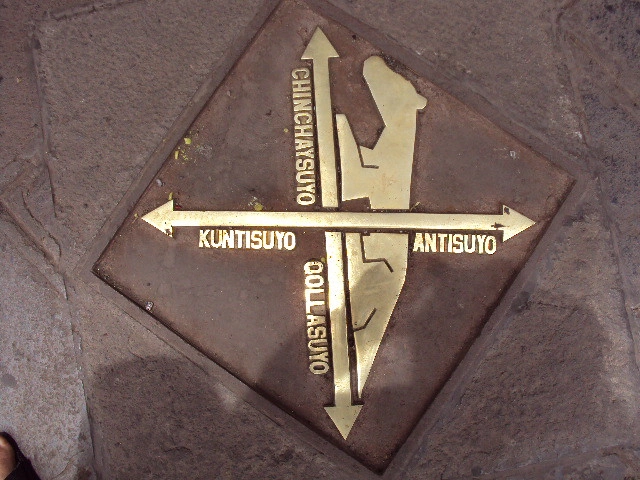
🗺️ What Were the Four Suyos?
The empire was divided into these regions:
- Chinchaysuyo (north) – Extended from Cusco to Ecuador and part of Colombia.
- Antisuyo (east) – Included part of the jungle, such as the Upper Amazon.
- Contisuyo (west) – Reached toward the Pacific coast.
- Collasuyo (south) – Went as far as Bolivia, Argentina, and Chile.
All these zones were connected by a road system called Qhapaq Ñan , which allowed Incan messengers (chaskis ) to run from place to place carrying messages.por un sistema de caminos llamado Qhapaq Ñan, que permitía que los mensajeros incas (chaskis) corrieran de un lugar a otro llevando mensajes.

.
🏛️ How Was the Tahuantinsuyo Organized?
Although it was huge, the Incas managed to organize their empire efficiently. Here’s how they did it:
👑 The Inca
He was the emperor and highest authority. It was believed he descended from the Sun god (Inti ).
📜 The Ayllu
This was the base of society. An ayllu was like a large community or extended family that worked the land together.
⚖️ Work System
They didn’t use money. Instead, they had a system called mita , where everyone contributed work for the common good: building roads, canals, temples, etc.
🏗️ Achievements of the Inca Empire
The Tahuantinsuyo was a highly advanced empire. Some of its achievements included:
- Terrace farming , allowing agriculture on mountain slopes.
- Irrigation canals that still work today (like in Tipón).
- Stone architecture without cement : perfectly fitted stones, as seen in Sacsayhuamán.
- A road network over 30,000 km long .
- Quipus , a rope-based system used to record information.

🙌 Religion and Culture
The Incas believed in many gods, but the most important was Inti , the Sun God. They also worshiped Pachamama (Mother Earth) and the Apus (mountain spirits).
Their culture was based on respect for nature, community work, and organization.
⚔️ How Did the Tahuantinsuyo End?
In the year 1533 , the empire was conquered by the Spanish led by Francisco Pizarro . At that time, the Inca ruler was Atahualpa .
Despite the conquest, many Inca customs, languages, and traditions are still alive today, especially in the Peruvian Andes.

📌 Fun Facts About the Tahuantinsuyo
- Cusco was shaped like a puma according to its urban design.
- Machu Picchu was likely a religious center or a resting place for the Inca.
- The Quechua language , spoken by the Incas, is still used by millions of people today.
🧠 Frequently Asked Questions
Did they have money in the Tahuantinsuyo?
No. Exchange was done through goods and labor.
How many people lived in the empire?
It’s estimated that more than 12 million people lived under Inca rule.
How long did the Inca Empire last?
From the 13th century until 1533 (around 300 years).
✅ Conclusion
The Tahuantinsuyo was more than just an empire. It was an organized, advanced civilization deeply connected with nature. Today, its roads, temples, and traditions still inspire those who visit Peru.
🔗 Want to learn more about the Inca legacy?
At Top Inka Travel , we’ll take you to discover the main centers of the Tahuantinsuyo: Cusco, Sacsayhuamán, the Sacred Valley, Machu Picchu, and more.