
Puno is one of the most distinctive destinations in southern Peru. Set on the shores of Lake Titicaca, the city is the main gateway to floating islands, traditional Andean communities, archaeological sites and some of the most remarkable high-altitude landscapes in the country.
For travelers searching for the best things to do in Puno, Peru, the experience extends far beyond the city itself. Most journeys revolve around Lake Titicaca and its famous islands, but the surrounding region also offers pre-Inca history, local traditions and lesser-known attractions that are worth adding to a Peru itinerary.
The Uros Islands, Taquile Island, Amantani Island and Sillustani are among the highlights, while travelers with additional time can explore places such as Chucuito, Pucara and other destinations across the Peruvian Altiplano.
If Puno is part of your trip through southern Peru, here are the places and experiences worth prioritizing.
Explore Lake Titicaca from Puno
No list of things to do in Puno would be complete without Lake Titicaca. Located on the border between Peru and Bolivia, it is one of South America’s most famous lakes and an essential part of the cultural landscape of the Andes.
Puno is the main departure point for exploring the Peruvian side of Lake Titicaca. Boats leave from the city for the Uros Islands, Taquile and Amantani, allowing travelers to choose between short excursions, full-day trips and overnight experiences.
Each island offers something different.
Uros is known for its floating islands made from totora reeds. Taquile combines beautiful lake scenery with a remarkable textile tradition, while Amantani is particularly attractive to travelers interested in spending more time with local communities.
This variety makes Puno a useful base whether you have just one day or several days to explore the region.

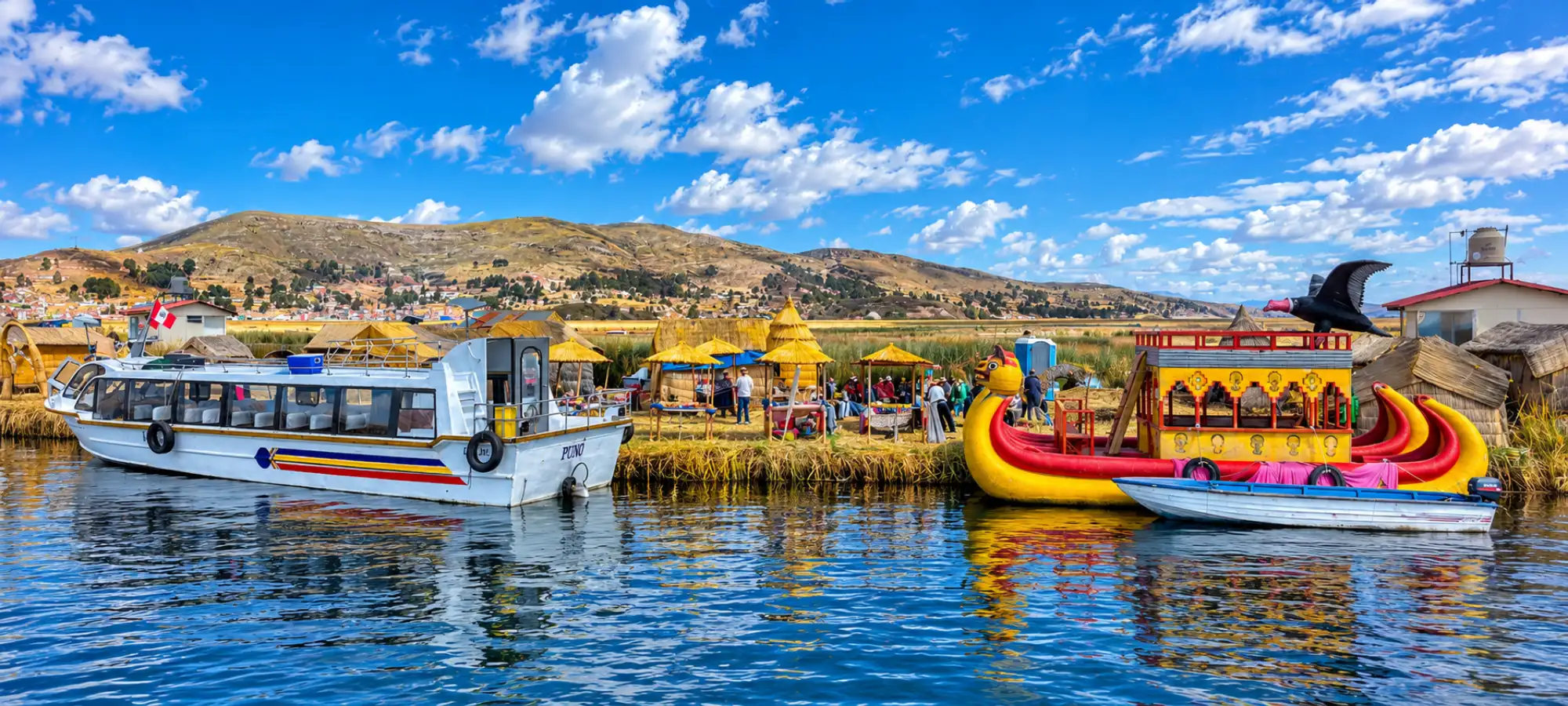
Visit the Uros Floating Islands
The Uros Floating Islands are among the most famous Puno attractions and are often the first stop for travelers exploring Lake Titicaca.
These artificial islands are traditionally constructed using layers of totora reeds, a plant that grows naturally around the lake. Totora has historically played an important role in local life and is also used for boats, homes and handicrafts.
Visiting the islands provides an introduction to how these floating platforms are built and maintained, as well as an opportunity to learn about aspects of life on Lake Titicaca.
Their proximity to Puno makes them particularly convenient for travelers with limited time.
A short Uros Islands tour from Puno can be completed in part of a day, although many visitors combine Uros with Taquile for a more complete Lake Titicaca experience.

Discover Taquile Island
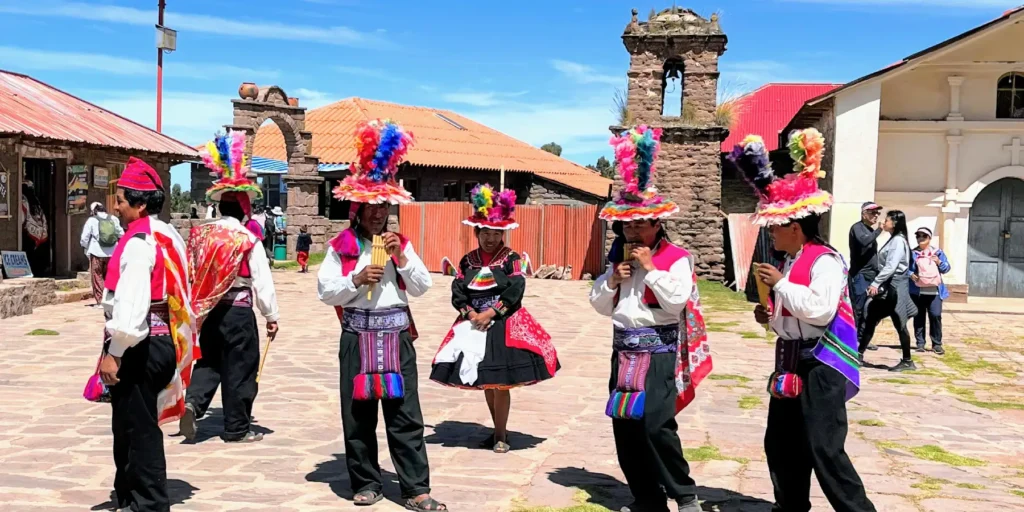
Travel farther across the lake and the scenery begins to change. Taquile Island offers a quieter landscape of agricultural terraces, walking trails, traditional communities and expansive views over Lake Titicaca.
One of the island’s defining characteristics is its textile culture.
The textile art of Taquile has been passed down through generations and is internationally recognized as part of UNESCO’s Intangible Cultural Heritage. Clothing and textiles here are more than souvenirs; they form part of a cultural tradition closely connected with community identity.
Exploring Taquile generally involves walking, so travelers should remember that they are moving at high altitude.
For visitors with only one full day available, a Uros and Taquile day trip from Puno is one of the most popular ways to experience two very different sides of Lake Titicaca.
Spend a Night on Amantani Island
Travelers looking for a slower and more immersive experience should consider Amantani Island.
Unlike a short sightseeing excursion, visiting Amantani often involves spending the night on the island through locally managed accommodation. This gives visitors more time to experience the landscape and learn about daily life in one of Lake Titicaca’s island communities.
Walking paths cross agricultural terraces and lead toward elevated viewpoints with broad views over the lake. The atmosphere is noticeably different from a quick visit to the Uros Islands.
Amantani is therefore especially suitable for travelers who have two or more days available in Puno.
A common itinerary combines the Uros, Amantani and Taquile Islands in 2 days, creating a more complete journey through the Peruvian side of Lake Titicaca.

See the Sillustani Burial Towers
Some of the best places to visit near Puno are located away from Lake Titicaca itself.
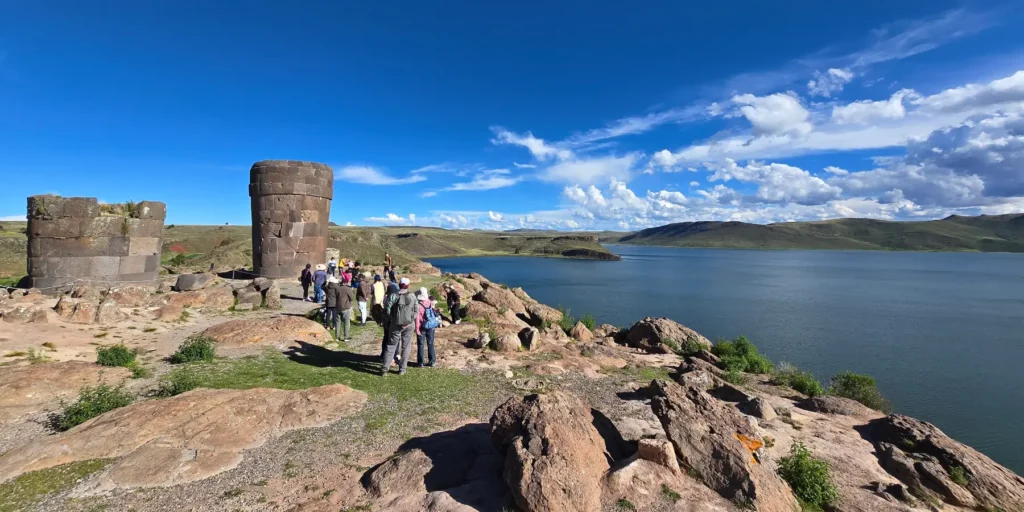
One of the most important is Sillustani, an archaeological site famous for its impressive funerary towers, known as chullpas.
The site reflects the long history of civilizations that inhabited the Altiplano before and during the Inca period. Several towers demonstrate sophisticated stonework and provide valuable insight into ancient funerary traditions.
The location makes the visit even more memorable. Sillustani overlooks Lake Umayo, surrounded by the open landscapes characteristic of the Peruvian highlands.
Because it can be visited as a half-day excursion, a Sillustani tour from Puno is relatively easy to combine with other activities.
Walk Around Puno City
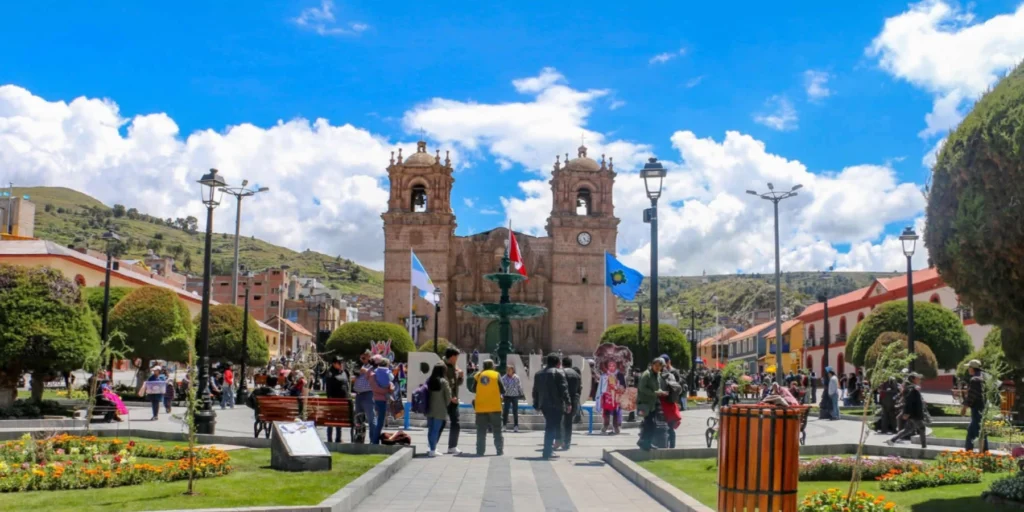
Although most travelers come for Lake Titicaca, it is worth spending some time exploring Puno city itself.
The Plaza de Armas forms the historic center, with the Cathedral of Puno as one of its most recognizable landmarks. Nearby streets, markets and local businesses provide a glimpse into everyday life in the Altiplano.
Puno is also known for its strong musical and folkloric traditions.
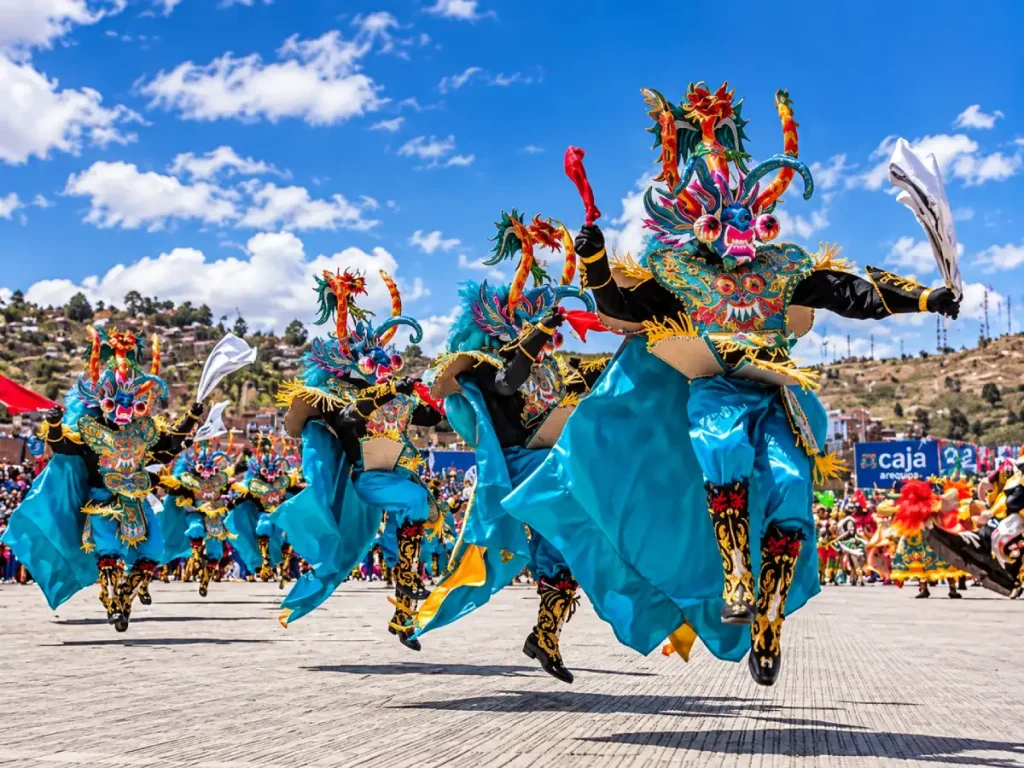
The city’s most famous celebration is the Festivity of the Virgen de la Candelaria, when music, elaborate costumes and traditional dances transform Puno into one of Peru’s most important cultural centers.
Travelers visiting during the festival should expect a very different atmosphere from the rest of the year.
Explore Chucuito and Inca Uyo
Travel south from Puno and you will reach Chucuito, a small historic town near Lake Titicaca.
One of its best-known attractions is Inca Uyo, an archaeological site that has become popularly associated with fertility traditions.
Chucuito can be incorporated into a broader journey through the southern part of the Puno region, particularly for travelers interested in archaeological sites and Aymara culture.
It also offers an opportunity to explore beyond the most heavily visited islands of Lake Titicaca.
Discover Amaru Muru
Another unusual attraction near Puno is Amaru Muru, a large carved rock formation surrounded by the dramatic scenery of the Altiplano.
It is popularly known as the Gate of the Gods and has become associated with local legends and spiritual interpretations.
Regardless of those stories, the landscape itself makes the area interesting for travelers looking for less conventional places to visit in Puno.
Amaru Muru is commonly explored as part of routes south of the city rather than as a standalone destination.
Visit Pucara and the Northern Altiplano
Travelers heading north from Puno can explore Pucara, an important location for understanding the ancient cultures of the Altiplano.
The area is associated with the Pucara culture and is also known today for the traditional ceramic bulls commonly seen on rooftops throughout southern Peru.
Pucara can be particularly interesting for travelers moving between Cusco and Puno, since some overland tourist routes stop at cultural and archaeological attractions along the way.
Nearby destinations such as Lampa and the Tinajani Canyon can also be considered when building a longer itinerary through the Puno region.
Experience the Virgen de la Candelaria Festival
Travelers visiting at the right time of year may encounter one of the most spectacular cultural events in Peru.
The Virgen de la Candelaria Festival in Puno brings together thousands of dancers and musicians in a celebration that combines Catholic traditions with deeply rooted Andean cultural expressions.
Costumes, brass bands and choreographed dances fill the streets, changing the rhythm of the entire city.
If your Peru itinerary coincides with the festival period, accommodation and transportation should be planned well in advance because demand can increase significantly.
How Many Days Do You Need in Puno?
The ideal amount of time depends on how much of Lake Titicaca and the surrounding region you want to experience.
For most first-time visitors:
- 1 day in Puno: Uros and Taquile are a practical combination.
- 2 days in Puno: explore the islands and add Sillustani, or spend a night on Amantani.
- 3 days in Puno: explore Lake Titicaca at a slower pace and include archaeological or cultural attractions outside the city.
If Puno is simply a stop between Cusco and Bolivia, one full day can cover the essentials. However, two days in Puno provide a much better introduction to the region.
Puno Altitude: What Travelers Should Know
One important factor when planning a trip is the altitude of Puno.
The city sits at approximately 3,800 meters (12,500 feet) above sea level, making it higher than Cusco. At this elevation, some visitors may experience headaches, fatigue, shortness of breath or other symptoms associated with altitude.
Travelers arriving from lower elevations should avoid planning strenuous activities immediately after arrival whenever possible.
Spending time in Cusco or another high-altitude destination beforehand may help with acclimatization, but it does not guarantee that altitude symptoms will not occur.
This is especially relevant when visiting Taquile or Amantani, where walking at elevation forms part of the experience.
Best Time to Visit Puno and Lake Titicaca
The best time to visit Puno depends on the type of trip you are planning.
The drier months, roughly from May through September, generally provide favorable conditions for outdoor sightseeing and boat trips. Days can be sunny, but temperatures drop significantly after sunset.
The wetter season brings more rainfall and greener landscapes. Conditions can change quickly, so travelers should be prepared for variable weather.
Seasonality is not the only consideration. Cultural events such as the Virgen de la Candelaria Festival can also influence the best time to travel depending on your interests.
How to Get from Cusco to Puno
Combining Cusco and Puno is common among international travelers exploring southern Peru.
There are several ways to travel between the two cities, including direct buses, tourist buses and rail services on selected itineraries.
A direct journey is useful when time is the priority. However, travelers interested in sightseeing along the way can choose the Route of the Sun from Cusco to Puno, which turns the transfer into a full-day journey with cultural and archaeological stops.
When choosing how to travel from Cusco to Puno, compare journey time, comfort, budget and whether you want the transportation day to include sightseeing.
What to Pack for Puno and Lake Titicaca
Weather at high altitude can vary considerably throughout the day, while sunlight on Lake Titicaca can feel particularly strong.
For most trips, consider packing:
- Warm clothing that can be layered.
- A windproof or waterproof jacket depending on the season.
- Sunscreen, sunglasses and a hat.
- Comfortable walking shoes.
- Water for day trips.
- A small daypack.
- Some cash for purchases in rural communities.
If you are staying overnight on Amantani, warmer clothing becomes especially important because temperatures can drop considerably after sunset.
Is Puno Worth Visiting?
For travelers interested in Andean culture, high-altitude landscapes and Lake Titicaca, Puno is worth visiting.
It offers a very different experience from Cusco and the Sacred Valley. Rather than monumental Inca architecture dominating the journey, Puno introduces travelers to the cultures and landscapes of the Altiplano.
The key is allowing enough time.
A rushed visit may provide only a glimpse of the Uros Islands. With two or three days, however, travelers can combine the lake with Taquile, Amantani, Sillustani and other cultural attractions around the region.
Frequently Asked Questions About Puno
What are the best things to do in Puno?
Visiting Lake Titicaca, the Uros Floating Islands, Taquile Island, Amantani Island and Sillustani are among the best things to do in Puno. Travelers with more time can also explore Chucuito, Amaru Muru and other attractions around the Altiplano.
What is Puno famous for?
Puno is best known as the main gateway to the Peruvian side of Lake Titicaca. It is also famous for its folklore, traditional dances and the Virgen de la Candelaria Festival.
Is one day enough for Puno?
One day is enough for a first look at Lake Titicaca, particularly with a Uros and Taquile day trip. Two or three days are better if you want to visit Amantani, Sillustani or other attractions.
Is Puno higher than Cusco?
Yes. Puno sits at approximately 3,800 meters (12,500 feet), while Cusco is located at a lower elevation. Travelers should take the altitude into account when planning their first day.
Can you visit Lake Titicaca from Puno?
Yes. Puno is the primary base for visiting the Peruvian side of Lake Titicaca, with regular excursions to Uros, Taquile and Amantani.
Explore Puno and Lake Titicaca
Choosing what to do in Puno depends on your available time, but Lake Titicaca should be at the heart of the experience.
The Uros Floating Islands offer an introduction to life on the lake, Taquile combines spectacular scenery with a remarkable textile tradition, and Amantani provides the opportunity for a slower cultural experience. Beyond the islands, Sillustani and other archaeological sites reveal another side of the Peruvian Altiplano.
Whether Puno is a short stop between Cusco and Bolivia or a destination in its own right, spending at least one or two full days here will give you a much better understanding of this unique region of Peru.
For travelers ready to organize their visit, explore our Puno tours and choose the Lake Titicaca experience that best fits your itinerary.