
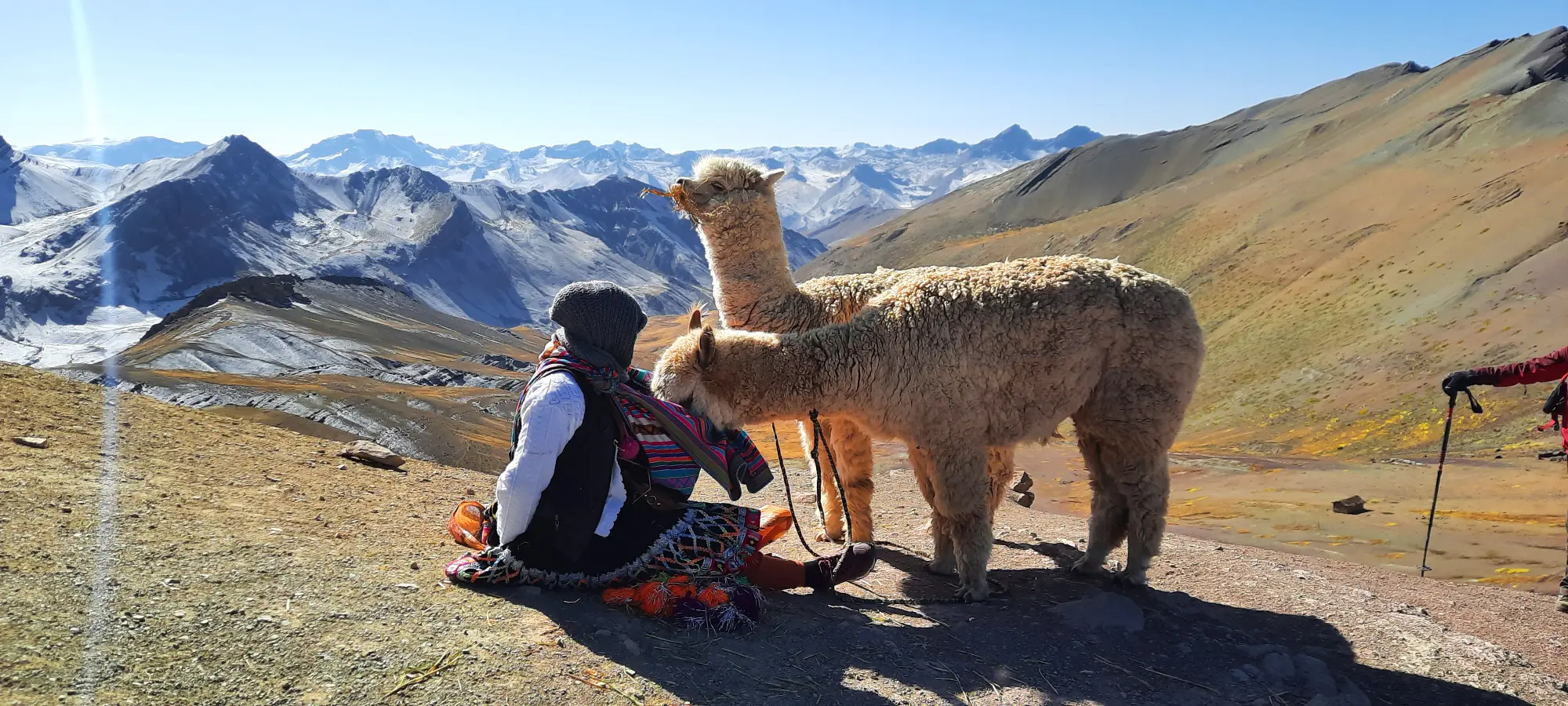
If you’re planning a trip to the Peruvian Andes, you’ve probably already discovered the Rainbow Mountain ATV Tour with Red Valley from Cusco, one of the region’s most spectacular experiences. Beyond the colorful mountains and breathtaking scenery, this adventure also offers the opportunity to see one of Peru’s most iconic animals: the llama.
Together with alpacas, llamas have lived in the Andes for thousands of years and continue to play an essential role in local communities. During the journey to Rainbow Mountain and Red Valley, it’s common to see these gentle camelids grazing freely against a backdrop of snow-capped peaks and high-altitude grasslands.
In this guide, you’ll learn the difference between llamas and alpacas, where to see them in Peru, and why they remain an important symbol of Andean culture.
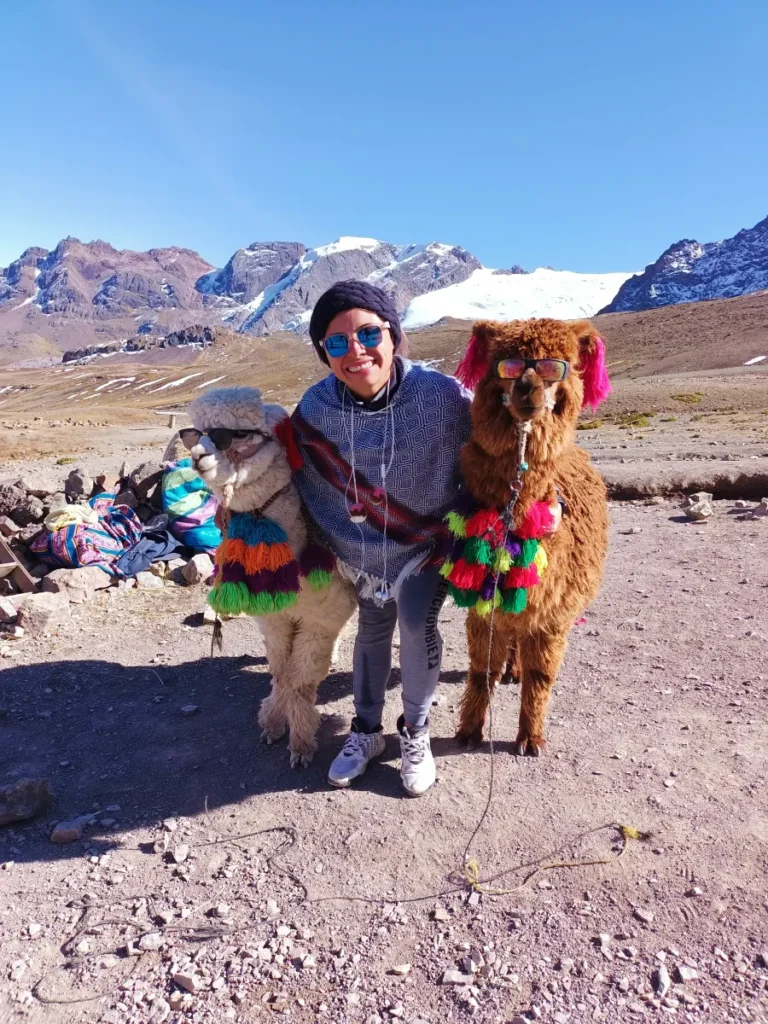
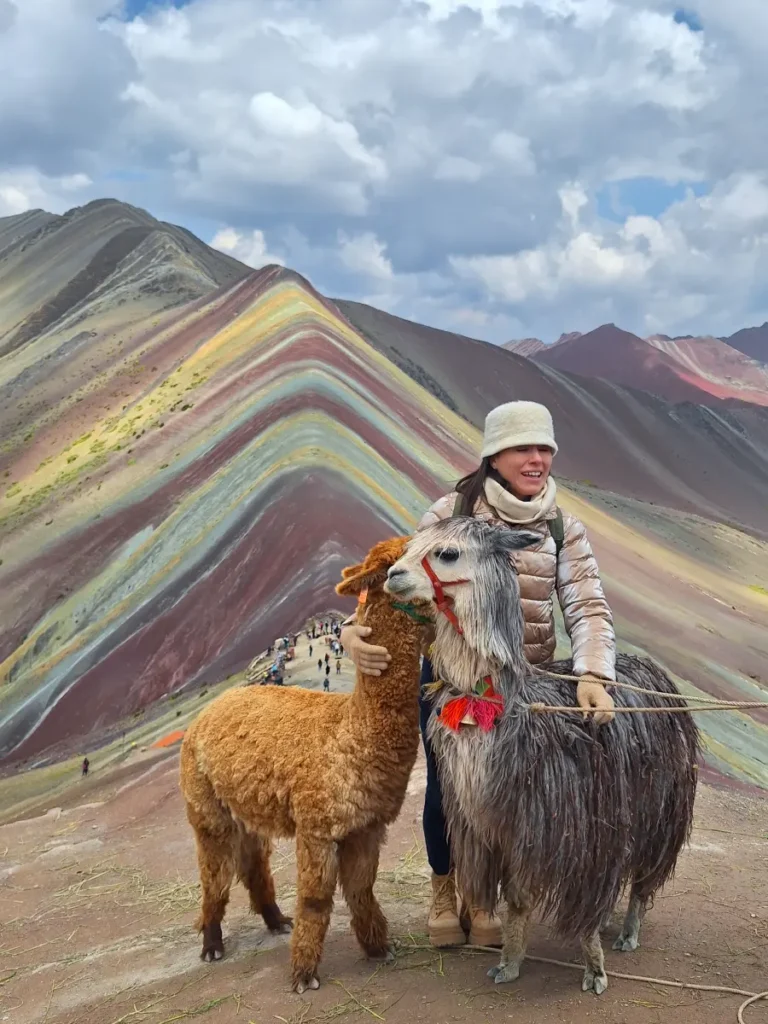
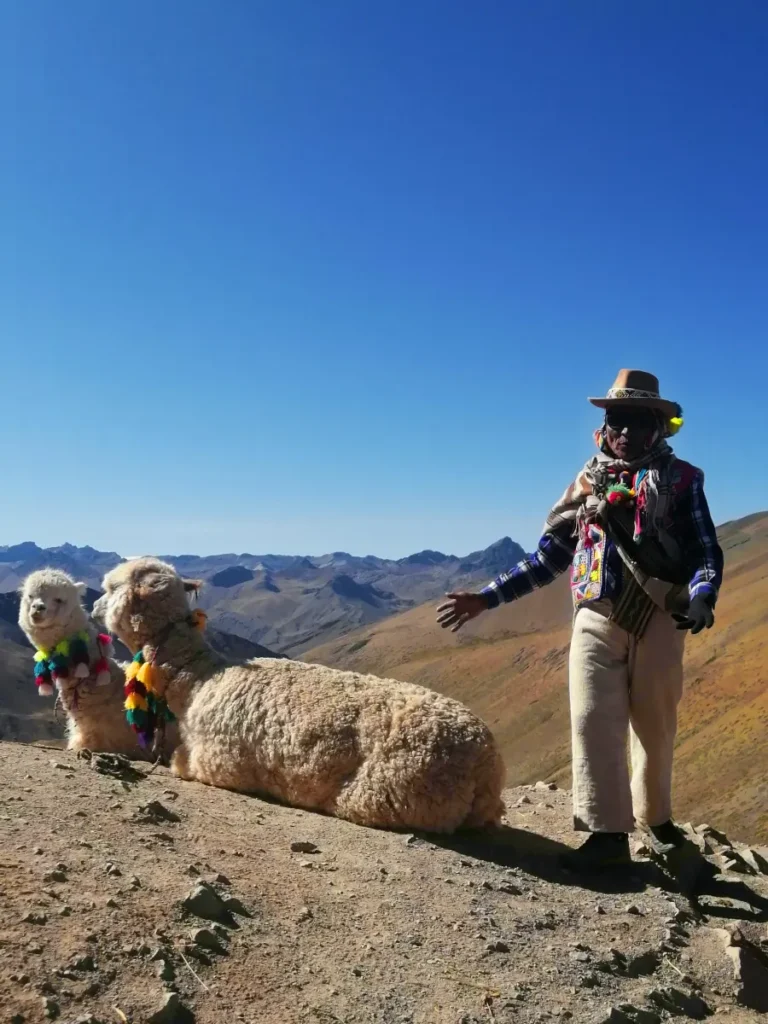
Llamas and Alpacas: Icons of the Peruvian Andes
Although many travelers use the names interchangeably, llamas and alpacas are two different species.
Both belong to the South American camelid family and have been part of Andean life for thousands of years. They are perfectly adapted to life at high altitude and continue to support local communities through transportation, textile production, and sustainable farming.
Today, they are among the most photographed animals in Peru.

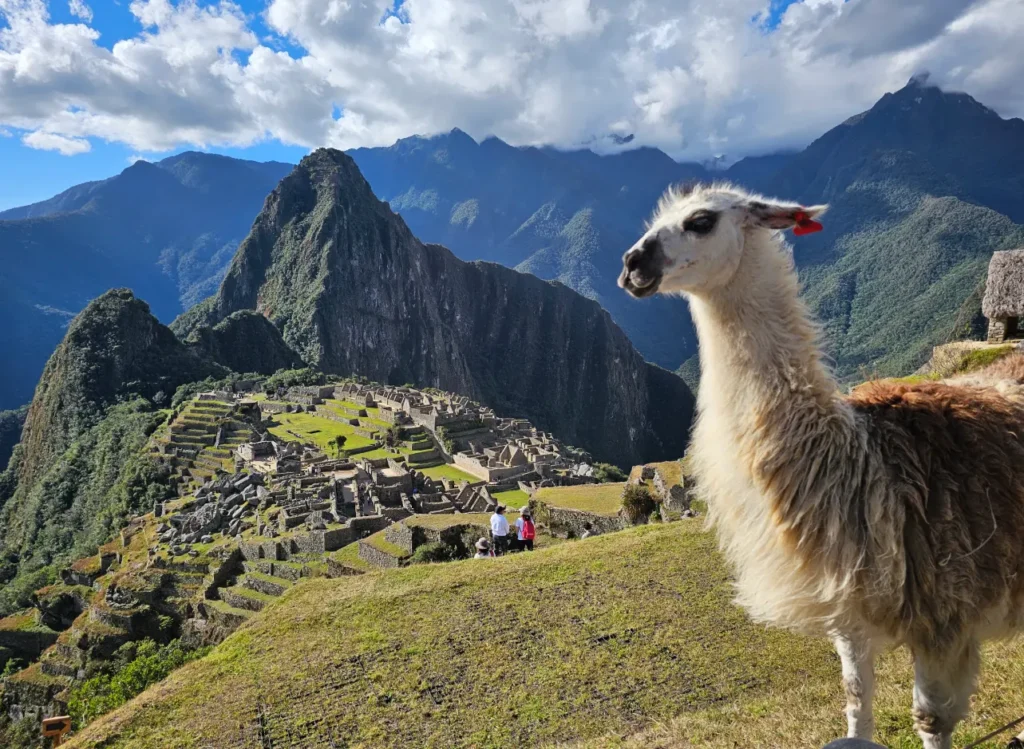
What’s the Difference Between Llamas and Alpacas?
Although they look similar, there are several easy ways to tell them apart.
| Llamas | Alpacas |
|---|---|
| Larger body size | Smaller and more compact |
| Long banana-shaped ears | Short pointed ears |
| Longer face | Rounder face |
| Traditionally used as pack animals | Raised mainly for their soft fleece |
| Coarser wool | Fine, luxurious fiber |
Both animals are calm, intelligent, and perfectly suited to the harsh conditions of the Andes.
Where Can You See Llamas and Alpacas in Peru?
Llamas and alpacas live throughout the Peruvian Andes, especially in regions above 3,500 meters (11,500 feet).
Some of the best places to see them include:
- Rainbow Mountain.
- Red Valley.
- Ausangate.
- Sacred Valley.
- Rural communities around Cusco.
- Vilcanota Mountain Range.
During these tours, it’s common to encounter entire herds peacefully grazing in their natural environment.

Why Are Llamas So Important in Andean Culture?
For centuries, llamas have been essential to life in the Andes.
The Inca civilization relied on them to transport food, textiles, and supplies across extensive mountain trails long before roads existed.
Alpacas, on the other hand, are famous for producing one of the world’s finest natural fibers. Their wool is still used to create high-quality garments and traditional Andean textiles appreciated around the world.
Even today, both animals remain an important source of income and cultural identity for many Andean families.
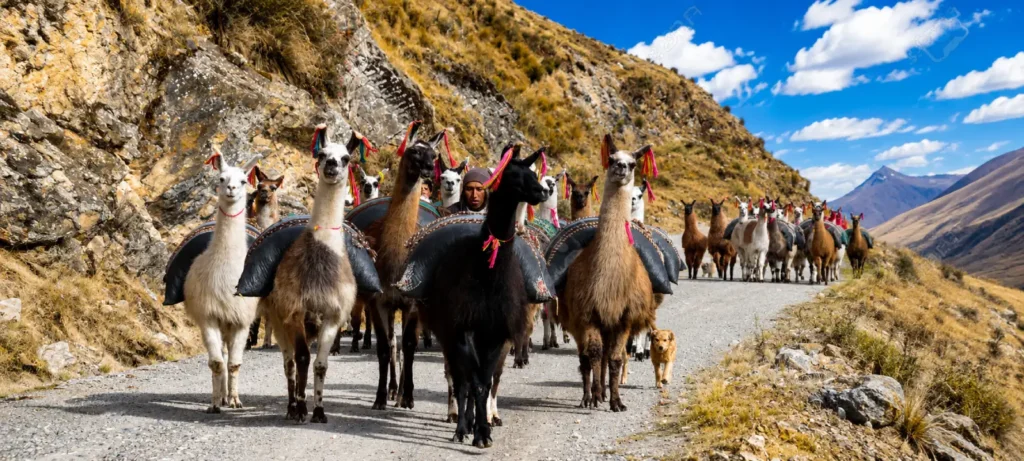
Wildlife You May See During the Rainbow Mountain Tour
One of the highlights of visiting Rainbow Mountain and Red Valley is the opportunity to observe native Andean wildlife.
Depending on the season and weather conditions, visitors may encounter:
- Llamas.
- Alpacas.
- Vicuñas.
- Vizcachas.
- Andean birds.
- Occasionally, the majestic Andean condor.
These wildlife encounters make the journey even more memorable for photographers and nature lovers.
Tips for Photographing Llamas and Alpacas
If you’d like to capture beautiful photos during your trip, keep these recommendations in mind:
- Respect the animals’ personal space.
- Ask permission before photographing animals owned by local families.
- Avoid feeding the animals.
- Use your camera’s zoom instead of getting too close.
- Take advantage of the soft morning light for the best photos.
Responsible tourism helps protect both the animals and the communities that care for them.
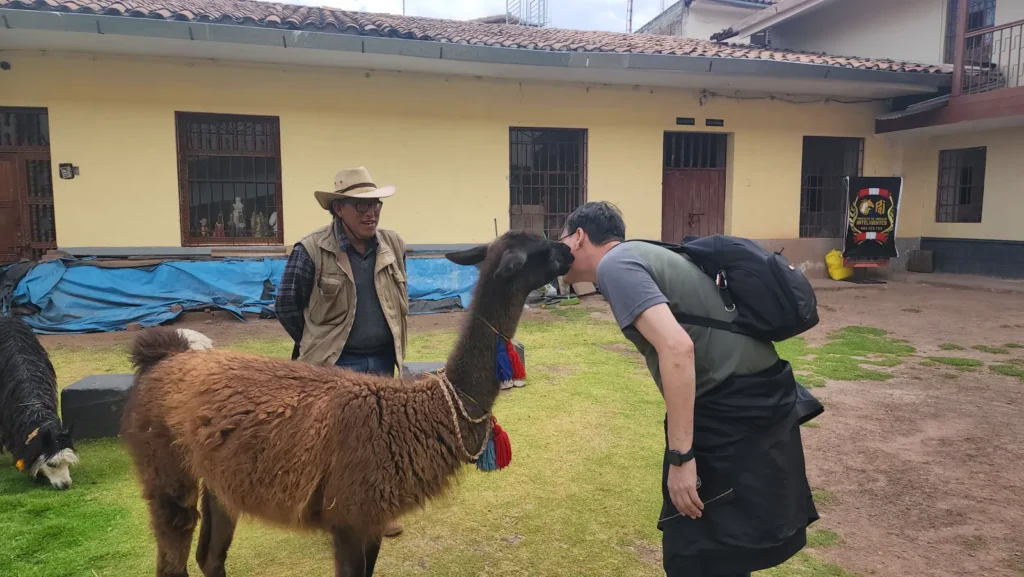
Why You’ll See Llamas During the Rainbow Mountain ATV Tour
One of the biggest advantages of joining the Rainbow Mountain ATV Tour with Red Valley is that you’ll experience the authentic Andean countryside.
Along the route, you’ll pass traditional farming communities where llamas and alpacas continue to be part of everyday life, just as they have been for centuries.
Seeing these animals in their natural habitat adds a unique cultural dimension to the spectacular mountain landscapes.
Frequently Asked Questions
Are llamas and alpacas the same animal?
No. Although they belong to the same camelid family, llamas are larger and traditionally used as pack animals, while alpacas are mainly raised for their exceptionally soft fleece.
Where is the best place to see llamas in Peru?
Rainbow Mountain, Red Valley, Ausangate, and rural communities around Cusco are among the best places to see llamas in their natural environment.
Will I see llamas during the Rainbow Mountain Tour?
Yes. It’s very common to see both llamas and alpacas grazing along the route to Rainbow Mountain and Red Valley.
Can I take photos with the animals?
Yes. Just remember to respect local communities, ask permission when appropriate, and avoid disturbing the animals.
Experience the Andes Beyond the Mountains
The Rainbow Mountain ATV Tour with Red Valley from Cusco offers much more than colorful landscapes. Along the journey, you’ll discover traditional Andean communities, breathtaking mountain scenery, and the llamas and alpacas that have shaped life in the Peruvian highlands for generations.
Traveling through the Andes isn’t only about reaching the destination—it’s about experiencing the culture, wildlife, and traditions that make this region one of the most extraordinary places in South America.