
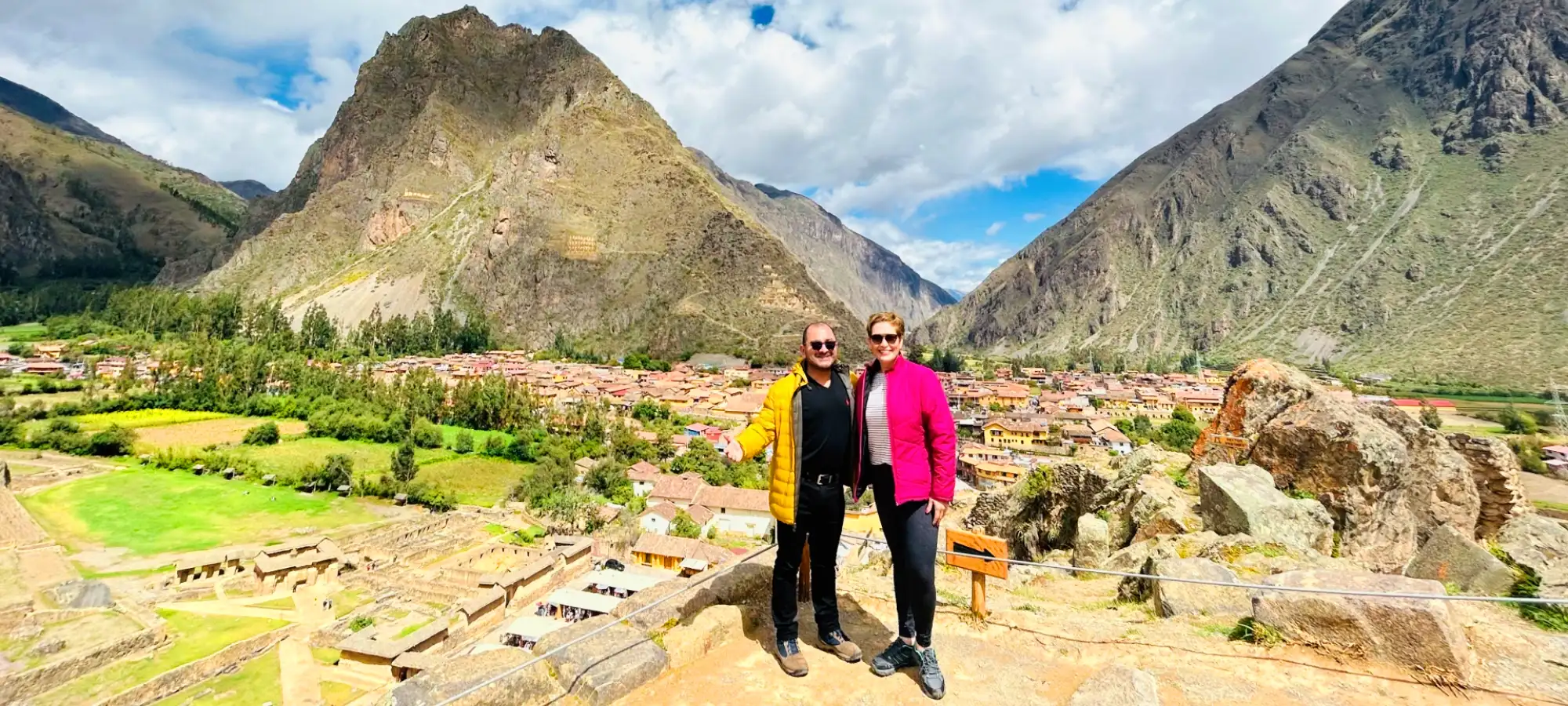
The Sacred Valley of the Incas is one of Peru’s most spectacular destinations and a highlight of nearly every trip to Cusco. Ancient archaeological sites, traditional villages, dramatic mountain scenery, and a pleasant climate make it worth visiting at any time of the year.
Still, many travelers ask the same question before planning their itinerary: when is the best time to visit the Sacred Valley?
The answer depends on the kind of experience you’re looking for. Some visitors prefer clear blue skies and sunny days, while others enjoy lush green landscapes and fewer crowds.
This guide explains how the seasons affect your visit so you can decide which time of year is right for you.
Is There a Best Time to Visit the Sacred Valley?
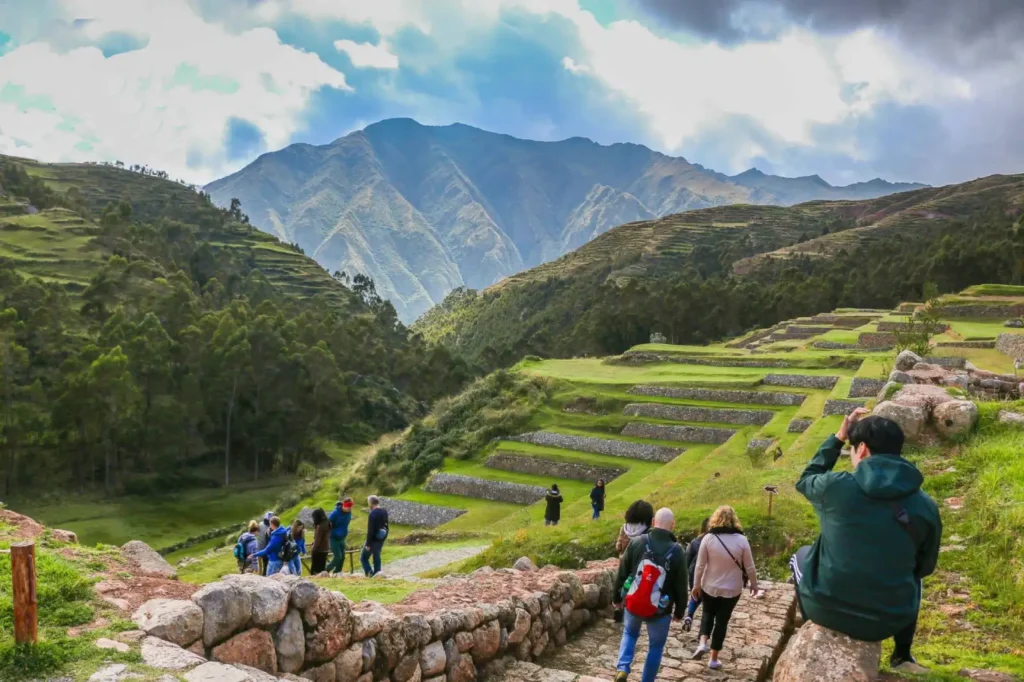
For most travelers, the dry season, which typically runs from May through September, is considered the best time to visit the Sacred Valley.
During these months, rainfall is minimal, skies are usually clear, and temperatures remain comfortable during the day. These conditions make it easier to explore archaeological sites such as Pisac, Ollantaytambo, and Chinchero while enjoying panoramic views of the Andes.
The dry season is also the best choice if you plan to continue your journey to Machu Picchu or enjoy outdoor activities around Cusco.
The only downside is that this is also the busiest travel season, especially between June and August, when Peru welcomes thousands of international visitors.
Is the Sacred Valley Worth Visiting During the Rainy Season?
Absolutely.
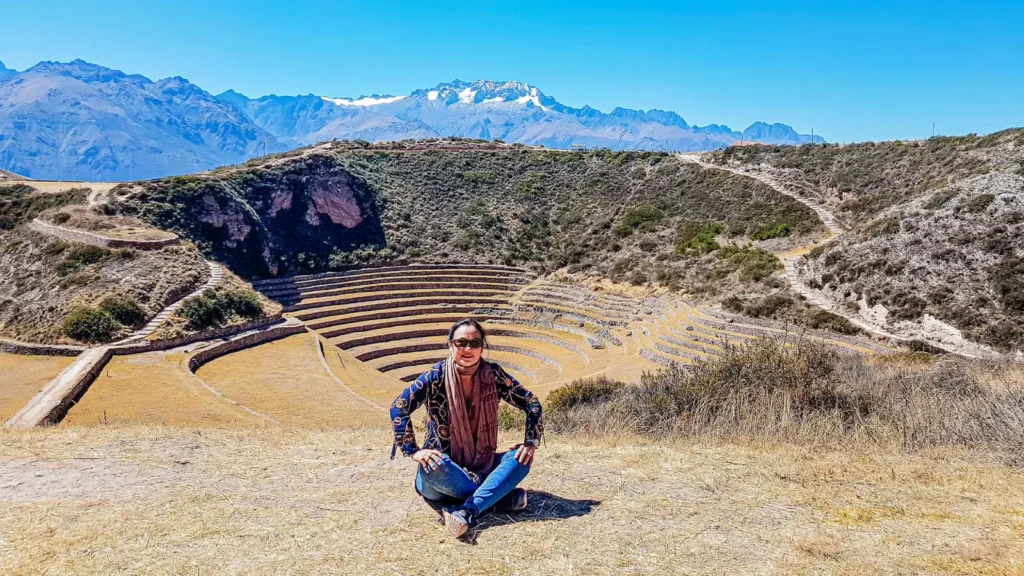
Although the rainy season, generally from November to March, brings more frequent showers, it also transforms the valley into a vibrant green landscape.
Fields become more colorful, rivers flow stronger, and the scenery feels remarkably fresh. In addition, there are usually fewer tourists compared to the dry season, creating a more relaxed atmosphere at many of the archaeological sites.
Rain often falls during the afternoon or evening, so many tours continue operating without major disruptions.
If you travel during these months, bringing a waterproof jacket and checking the daily forecast is usually enough to enjoy the experience comfortably.
Dry Season vs. Rainy Season
Both seasons have their own advantages, and neither is objectively better. The right choice depends on your travel style.
| Dry Season | Rainy Season |
|---|---|
| Sunny days and clear skies | Greener landscapes |
| Excellent visibility | Fewer visitors |
| Ideal for sightseeing | More peaceful atmosphere |
| Better conditions for hiking | Beautiful agricultural scenery |
| Peak tourist season | Occasional afternoon rain |
Regardless of the season, the Sacred Valley remains one of Peru’s most rewarding destinations.
How Does the Experience Change Throughout the Year?
Visiting the Sacred Valley feels different depending on the season.
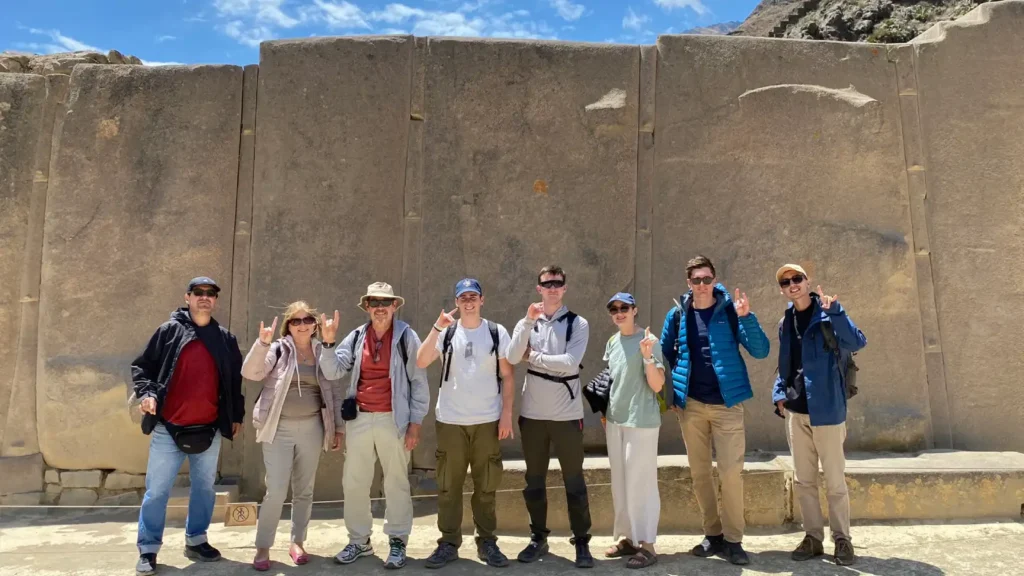
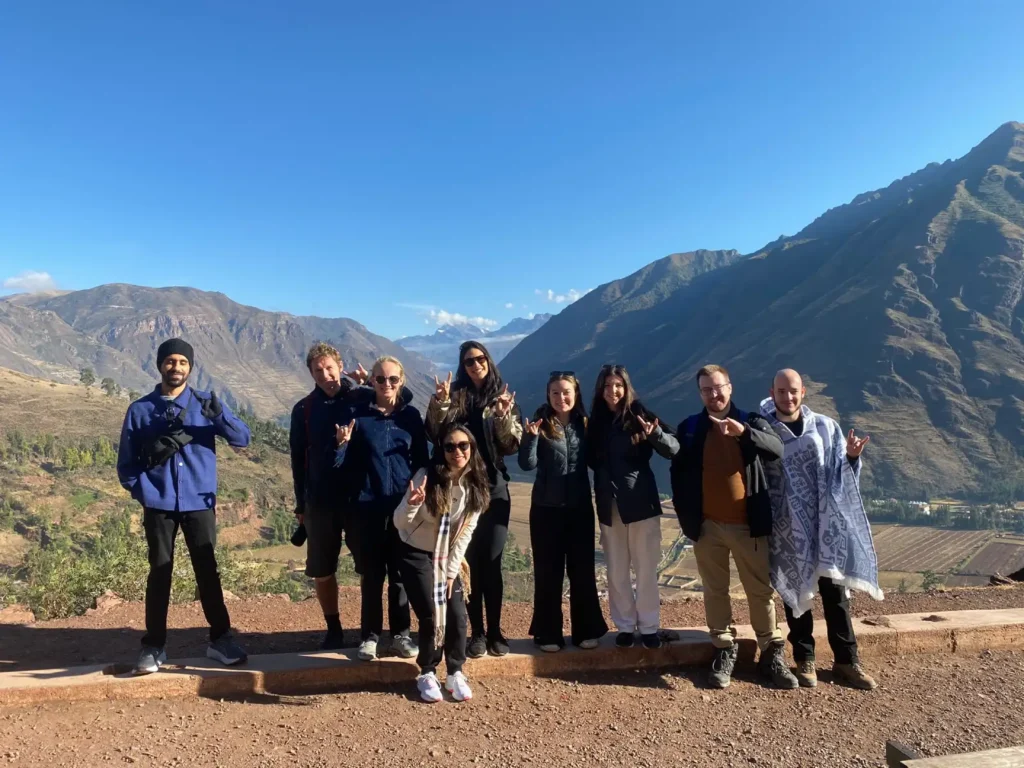
During the dry months, the surrounding mountains appear sharp against bright blue skies, making it an excellent time for photography and outdoor exploration.
In contrast, the rainy season highlights a different side of the valley. The agricultural terraces become greener, the countryside feels more vibrant, and the landscapes take on a completely different character.
Many travelers actually enjoy this quieter season because they can experience famous sites with fewer crowds while appreciating a more authentic atmosphere.
Tips for Choosing the Best Time to Visit
The best travel dates depend on your priorities.
If perfect weather is your main goal, the dry season is usually the safest choice.
If you prefer quieter attractions and greener scenery, traveling during the rainy season can be equally rewarding.
It’s also worth remembering that the Sacred Valley is often combined with Cusco and Machu Picchu. Planning all three destinations together will help you make the most of your itinerary.
One of the easiest ways to explore the region is by joining a Sacred Valley Full Day Tour, which visits several of the valley’s most important archaeological sites in a single day.
What Should You Pack?
Weather conditions in the Sacred Valley can change throughout the day, especially because of the altitude.
Dressing in layers is always the best option.
We also recommend bringing:
- Comfortable walking shoes.
- Sunscreen.
- Sunglasses.
- A light waterproof jacket.
- A reusable water bottle.
If you’d like a complete packing checklist, check out our upcoming guide on What to Pack for the Sacred Valley.
Frequently Asked Questions
What is the best month to visit the Sacred Valley?
Most travelers prefer May through September because of the dry weather and clear skies.
Can you visit the Sacred Valley year-round?
Yes. The Sacred Valley is open to visitors throughout the year.
Does it rain every day during the rainy season?
Not necessarily. Rain is more common, but many days still have long periods of sunshine.
Which season has fewer tourists?
The rainy season generally sees fewer visitors than the dry season.
Is it cold in the Sacred Valley?
Mornings and evenings can be cool, while daytime temperatures are usually pleasant.
Should I visit the Sacred Valley before Machu Picchu?
Yes. Many travelers explore the Sacred Valley first because it provides a gentle introduction to the region and fits naturally into most Peru itineraries.
Plan Your Sacred Valley Adventure
No matter when you visit, the Sacred Valley offers breathtaking landscapes, remarkable Inca history, and unforgettable cultural experiences.
If you want to make the most of your time in Cusco, consider joining our Sacred Valley Full Day Tour. It’s one of the easiest ways to discover Pisac, Ollantaytambo, Chinchero, and other iconic destinations in a single unforgettable day.