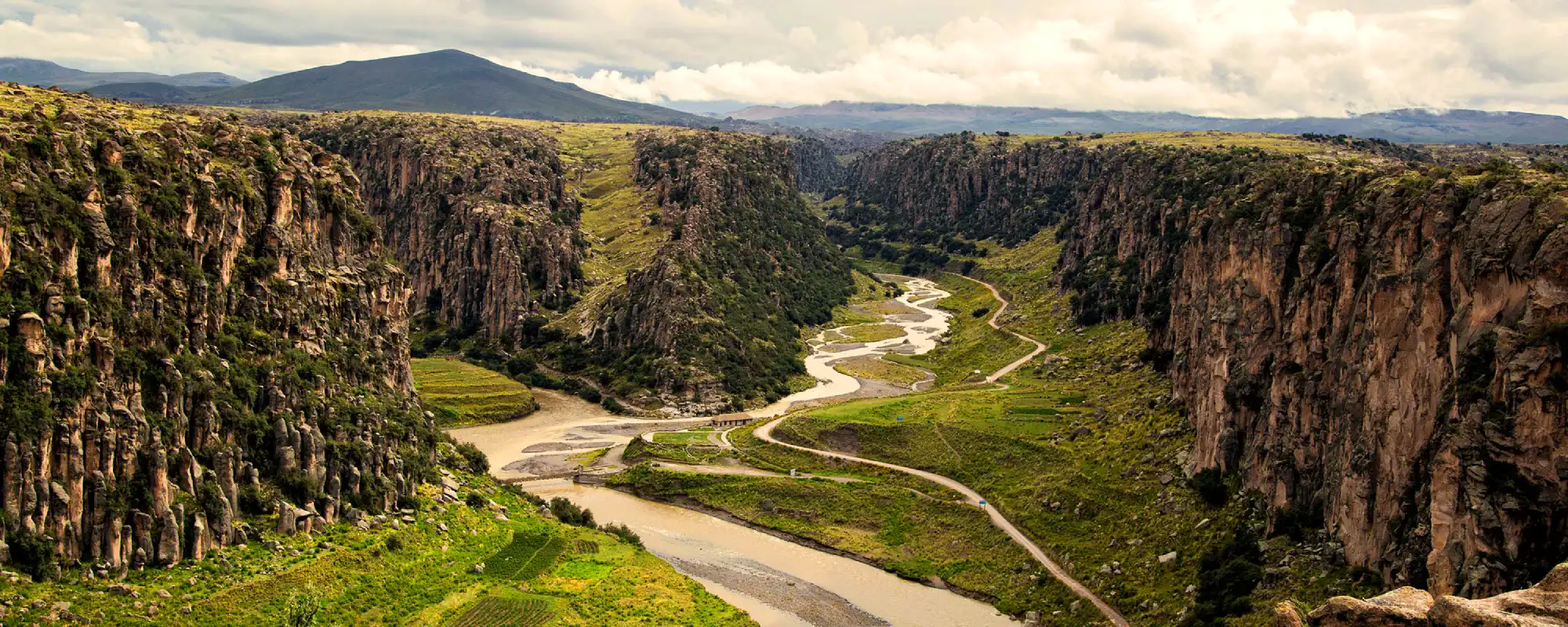
The Three Canyons of Suykutambo are one of the most impressive natural attractions in southern Peru. Located in the province of Espinar, in the Cusco region, this remarkable landscape is known for its dramatic cliffs, deep gorges and breathtaking viewpoints that overlook one of the most unique geological formations in the Andes.
Many travelers who visit the area are surprised by the sheer scale of the canyons and often wonder how such an extraordinary landscape was created. The answer lies in a geological process that began millions of years ago and continues to shape the region today.
Understanding how the Three Canyons were formed not only makes the visit more interesting but also helps visitors appreciate the natural forces that transformed this part of the Andes into one of the most spectacular hidden gems in Peru.
What Are the Three Canyons of Suykutambo?
The Three Canyons of Suykutambo are a natural geological formation located in Espinar, south of Cusco.
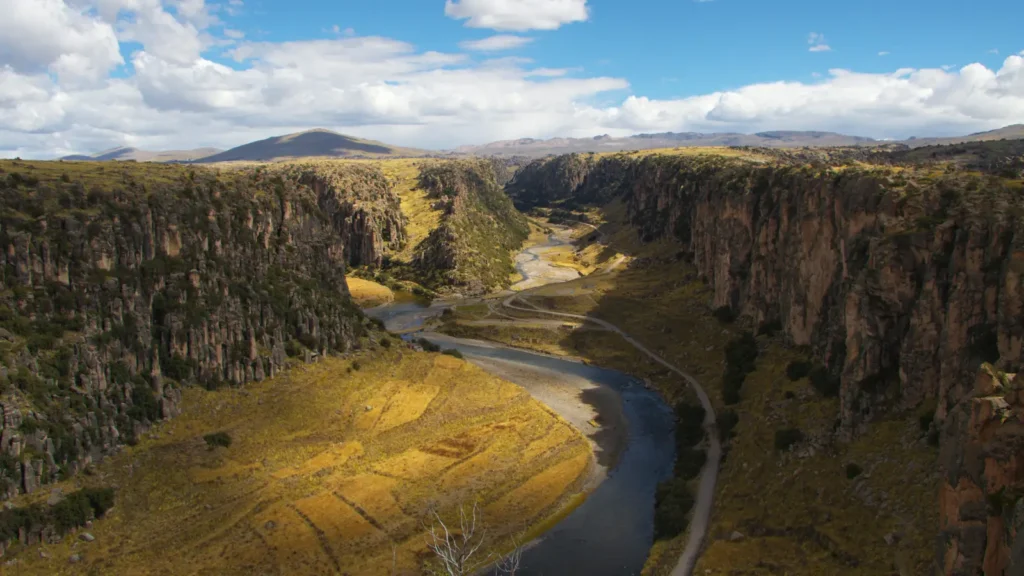
The site is famous for the meeting point of three impressive canyon systems carved by the Apurímac, Callumani and Cerritambo rivers. Over thousands of years, these rivers gradually cut through layers of rock, creating the dramatic landscape visitors can see today.
From the main viewpoints, travelers can observe towering canyon walls, winding river valleys and vast Andean scenery stretching across the horizon.
As a result, the Three Canyons have become one of the most remarkable natural attractions in the Cusco region.
The Geological Origin of the Three Canyons
The formation of the Three Canyons began long before human civilizations appeared in the Andes.
Millions of years ago, powerful tectonic activity contributed to the uplift of the Andes Mountains. During this period, volcanic activity and geological movements shaped much of the terrain that now forms southern Peru.
However, the canyons themselves were not created overnight.
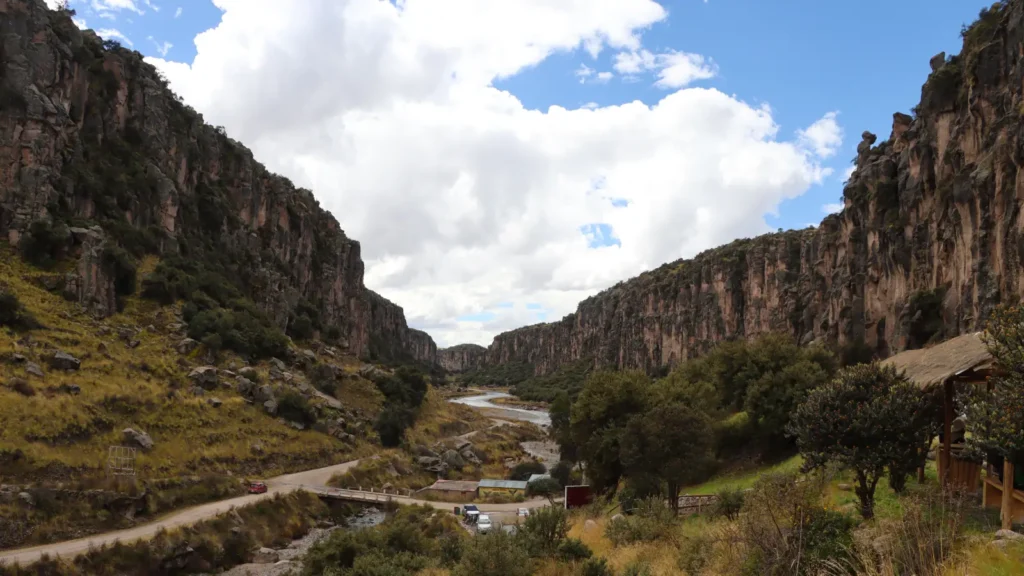
Over time, rivers flowing through the region slowly eroded the volcanic and sedimentary rocks. This process, known as river erosion, gradually carved deeper channels into the landscape.
As a result, what began as elevated plateaus and mountain formations eventually evolved into the dramatic canyon system visible today.
How Rivers Shaped the Landscape
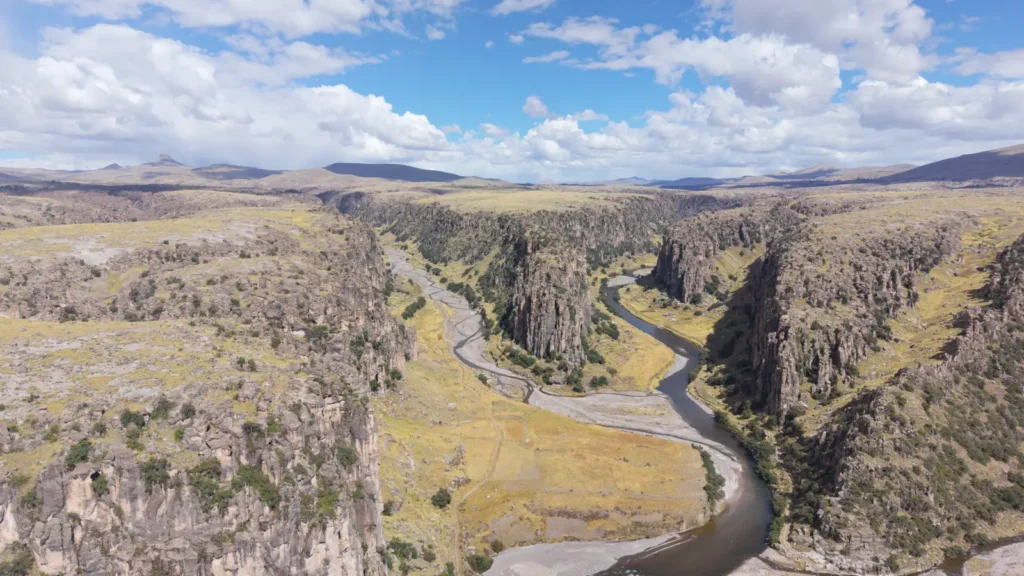
The Apurímac, Callumani and Cerritambo rivers played the most important role in the creation of the Three Canyons.
For countless generations, the continuous movement of water wore away layers of rock and soil. During the rainy season, stronger water flow accelerated the erosion process, allowing the rivers to cut even deeper into the terrain.
Moreover, changes in temperature, wind and seasonal weather patterns contributed to the gradual transformation of the landscape.
Because these natural processes are still active, the Three Canyons continue to evolve, although the changes occur very slowly over long periods of time.
Why Are There Three Different Canyons?
One of the most fascinating aspects of Suykutambo is the presence of three separate canyons rather than a single gorge.
This unique feature exists because three river systems converge within the same geographical area.
Each river followed its own path through the mountains and gradually carved an independent canyon. Eventually, these canyon systems became connected within the broader landscape, creating the impressive formation that gives the area its name today.
Consequently, the Three Canyons represent a rare geological phenomenon and one of the most distinctive natural landmarks in southern Peru.
A Landscape That Reveals the History of the Andes
The rock formations visible throughout the canyon walls provide valuable information about the geological history of the region.
Different layers of volcanic and sedimentary rock reveal how the landscape changed over millions of years. These formations offer scientists and geologists important clues about ancient environmental conditions and the development of the Andes Mountains.
Furthermore, the visible rock strata allow visitors to appreciate the immense timescale involved in creating such a dramatic natural wonder.
For this reason, the Three Canyons are not only a tourist attraction but also an important geological site.
Nature Continues to Shape the Three Canyons
Unlike historical monuments built by humans, the Three Canyons are the result of ongoing natural forces.
Wind, rain, rivers and temperature changes continue to influence the landscape today. Although these changes occur slowly, they remain part of the same natural process that began millions of years ago.
In addition, the area supports a variety of Andean wildlife, including alpacas, llamas, native birds and occasionally Andean condors.
This combination of geology, nature and scenic beauty makes the Three Canyons one of the most rewarding destinations for travelers interested in outdoor adventures and unique landscapes.
Is It Worth Visiting the Three Canyons of Suykutambo?
Absolutely.
For travelers looking beyond the classic tourist routes, the Three Canyons offer a completely different perspective of the Cusco region.
The dramatic scenery, fascinating geological history and peaceful atmosphere create an experience that feels far removed from the more crowded destinations of Peru.
Moreover, many visitors combine the Three Canyons with nearby attractions such as Taqrachullo and Kanamarka, creating a journey that blends natural beauty, archaeology and local culture.
Ultimately, the Three Canyons of Suykutambo are one of the most impressive natural wonders in southern Peru and a destination that deserves a place on any traveler’s itinerary.