
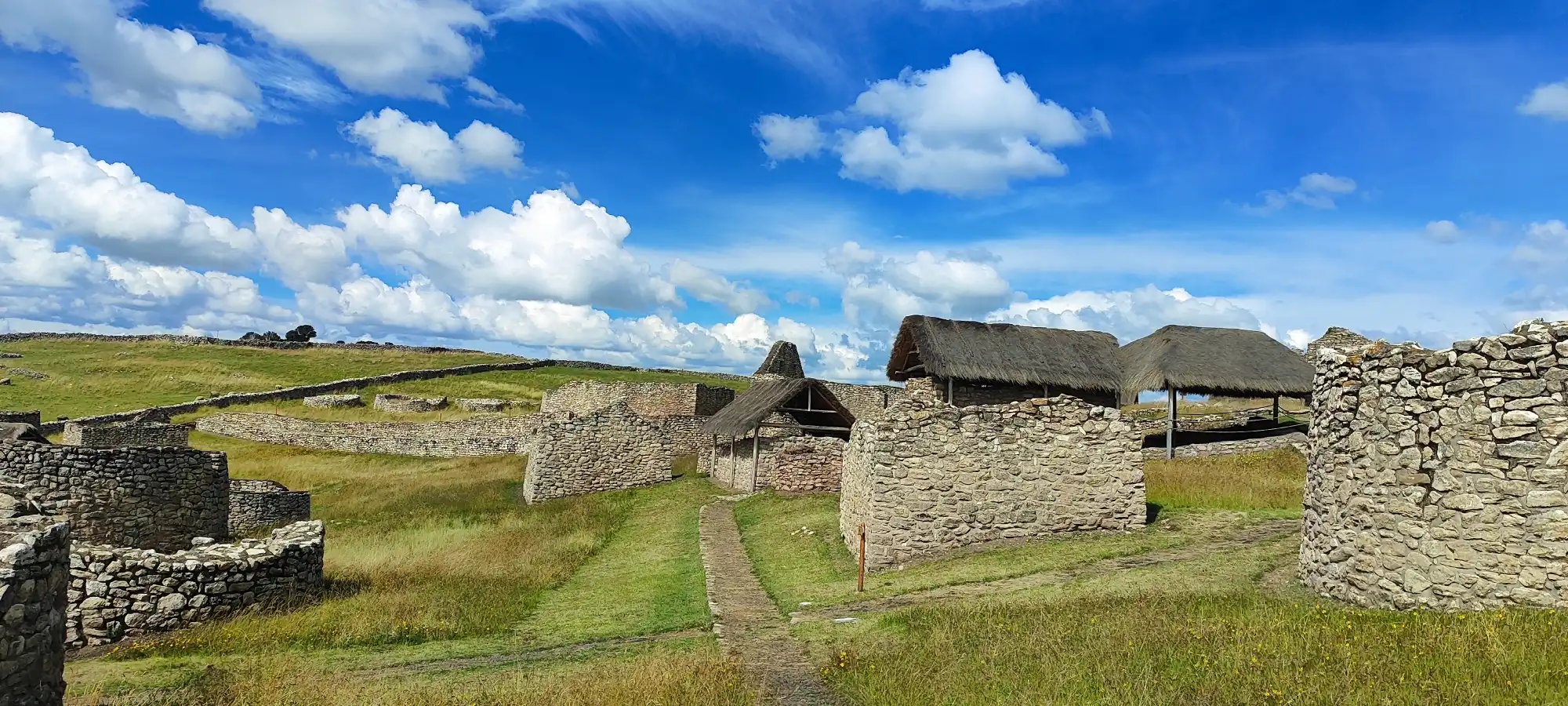
Kanamarka is one of the most important archaeological sites in Espinar, Cusco. Together with Taqrachullo, it reveals a lesser-known side of Peru’s Andean history, far from the most crowded tourist routes. When travelers think about archaeological sites in Cusco, places such as Machu Picchu, Sacsayhuamán and the Sacred Valley usually come to mind first. However, beyond the famous landmarks lies a lesser-known side of the region, where ancient settlements, dramatic landscapes and centuries of history remain largely untouched by mass tourism.
In the province of Espinar, two remarkable sites offer a different perspective on the Andes: Kanamarka and Taqrachullo. Although they receive far fewer visitors than the better-known attractions of Cusco, both places preserve valuable traces of the people who once lived in this part of southern Peru.
For travelers interested in archaeology, history and off-the-beaten-path destinations, visiting Kanamarka and Taqrachullo is an opportunity to discover a side of Cusco that many visitors never experience.
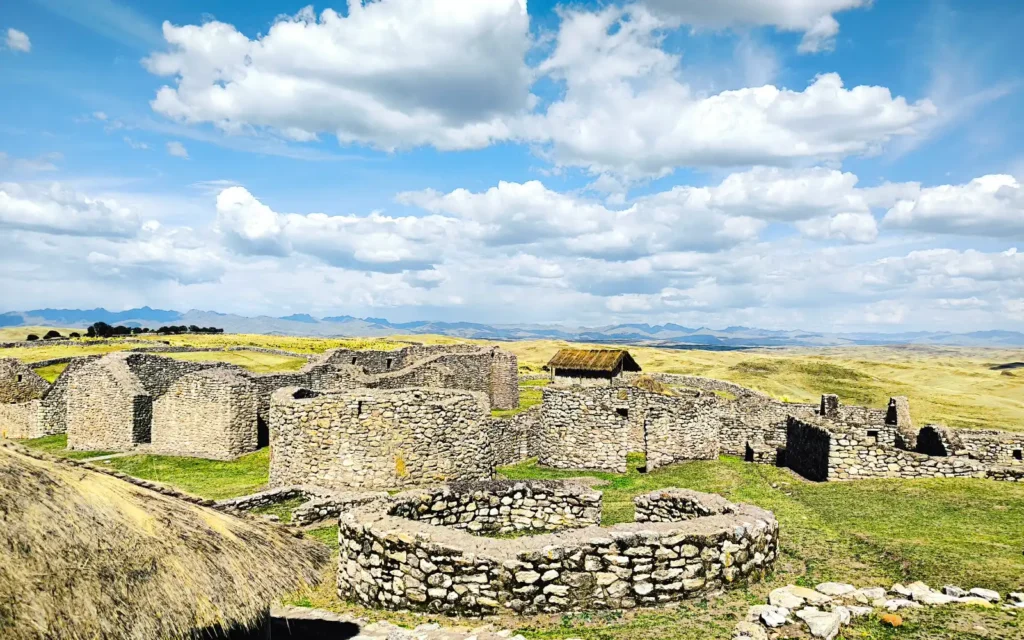
Kanamarka: One of the Most Important Archaeological Sites in Espinar
Located near the city of Yauri, Kanamarka is considered one of the most significant archaeological complexes in the province of Espinar.
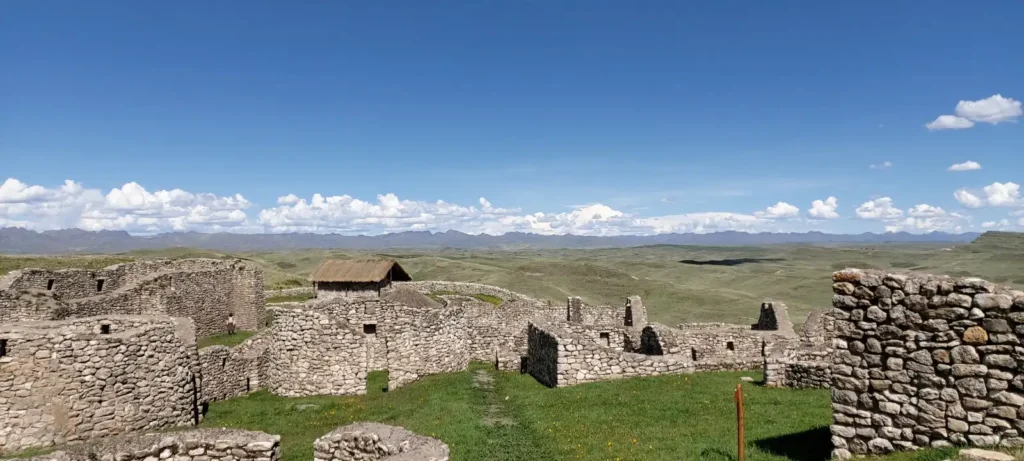
Spread across a wide area of highland terrain, the site contains numerous stone structures that have endured for centuries. Walking through the complex, visitors can still distinguish sections that once formed part of everyday life, including residential areas and spaces that played an important role within the settlement.
The architecture reflects the ingenuity of the ancient communities that inhabited this region long before the rise of the Inca Empire. Stone walls, enclosures and carefully planned constructions reveal a level of organization that continues to attract the attention of researchers today.
Beyond its historical value, Kanamarka offers beautiful views of the surrounding Andean landscape. Open plains, rolling hills and distant mountains create a setting that enhances the experience of exploring the site.
Unlike more crowded destinations, Kanamarka allows visitors to take their time, walk at their own pace and appreciate the details that often go unnoticed in heavily visited archaeological attractions.
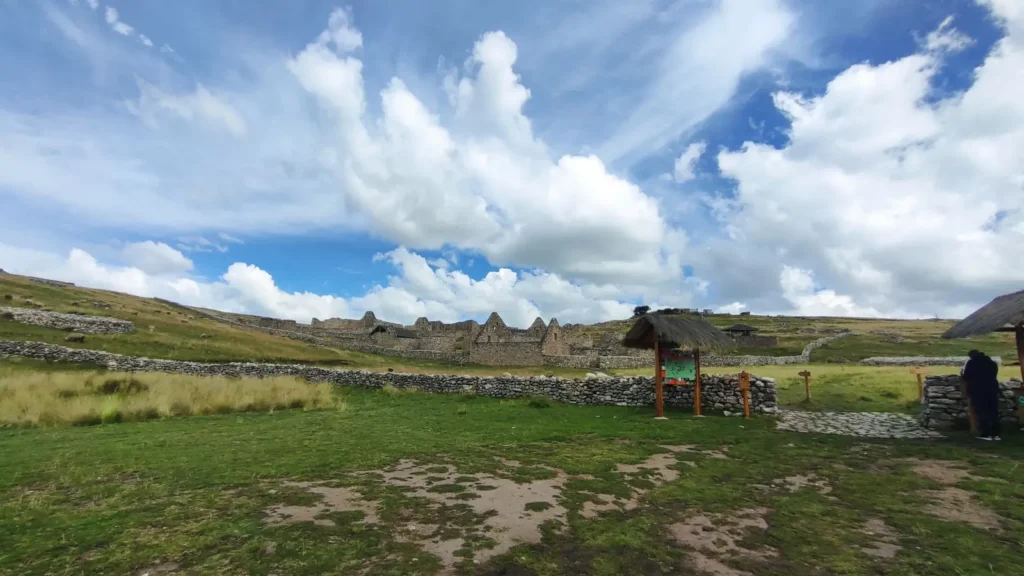
Taqrachullo: Archaeology Surrounded by Spectacular Landscapes
Not far from some of the most impressive natural attractions in southern Peru lies Taqrachullo, a site that has gradually attracted attention among travelers looking for unique places to visit in Cusco.
One of its most striking features is the way ancient stone structures blend into the surrounding terrain. Massive rock formations, rugged mountains and wide open views create a landscape that feels both dramatic and peaceful.
The site remains relatively unknown compared to other archaeological destinations, which means visitors can explore the area without large crowds or busy tourist routes.
As you walk through Taqrachullo, the connection between the ancient constructions and the natural environment becomes increasingly evident. The surrounding scenery plays an important role in the experience, making the visit appealing not only for history enthusiasts but also for those who enjoy photography, hiking and cultural travel.
Several natural viewpoints along the route offer panoramic views of the Andean highlands, providing excellent opportunities to appreciate the scale and beauty of the region.
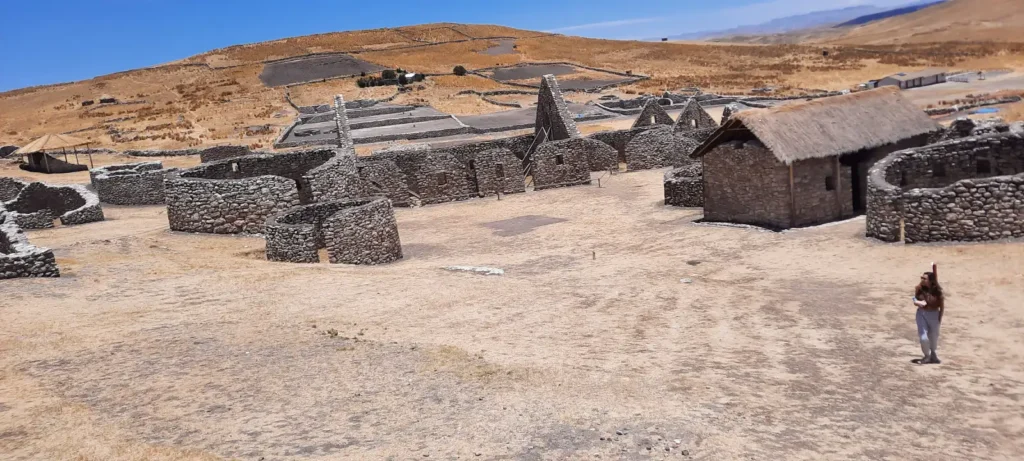
Two Different Sites That Tell a Shared Story
Although Kanamarka and Taqrachullo have distinct characteristics, both contribute to a broader understanding of the history of Espinar and the southern Andes.
In fact, these sites help researchers piece together how ancient communities adapted to high-altitude environments, organized their settlements and interacted with neighboring regions. Moreover, their strategic locations provide valuable clues about the development of settlements in this part of the Andes.
Many aspects of their history are still being studied, which adds an additional layer of interest for visitors. As a result, each new discovery helps expand our understanding of the people who once lived in the region. Rather than presenting a fully documented story, these places invite travelers to reflect on the many chapters of Andean history that remain to be explored.
Furthermore, visiting both sites offers a more complete perspective of Espinar’s cultural heritage. For this reason, travelers interested in archaeology often choose to include Kanamarka and Taqrachullo in the same itinerary.
Ultimately, for those interested in learning about Peru beyond its most famous attractions, Kanamarka and Taqrachullo provide valuable insight into a lesser-known but equally fascinating past.
Combine Your Visit with the Three Canyons Viewpoint
One of the advantages of exploring Espinar is that several attractions can be visited within the same region.
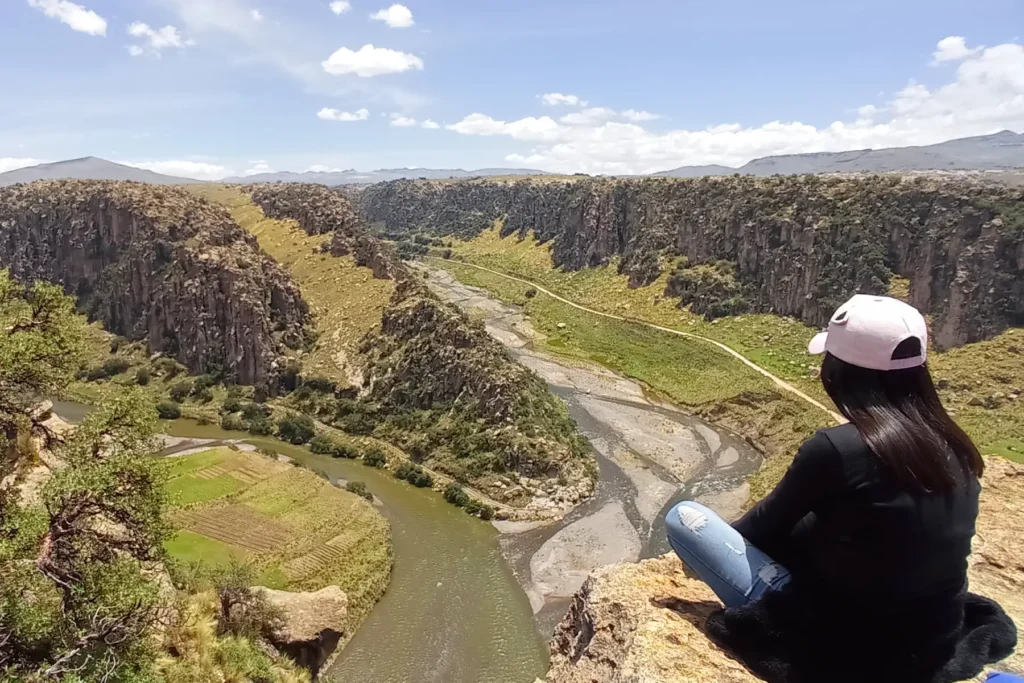
Many travelers choose to combine Kanamarka and Taqrachullo with a visit to the Three Canyons Viewpoint, one of the most spectacular natural landscapes in southern Cusco.
The combination of archaeological sites, dramatic canyons, highland scenery and local culture creates a travel experience that feels very different from the traditional routes followed by most visitors.
For travelers looking to discover new destinations in Peru, this region offers an excellent balance between history, nature and authentic Andean landscapes.
Is It Worth Visiting Kanamarka and Taqrachullo?
Absolutely.
If you enjoy exploring places that remain relatively undiscovered, these two archaeological sites deserve a place on your itinerary.
Kanamarka and Taqrachullo offer something increasingly difficult to find in popular destinations: space, tranquility and the opportunity to connect with history without the crowds.
Instead of long lines and busy pathways, visitors are rewarded with expansive landscapes, ancient stone structures and a deeper appreciation for the cultural heritage of Espinar.
For travelers seeking meaningful experiences beyond the classic tourist circuit, these hidden archaeological treasures reveal a different side of Cusco—one that remains rich in history, beauty and discovery.