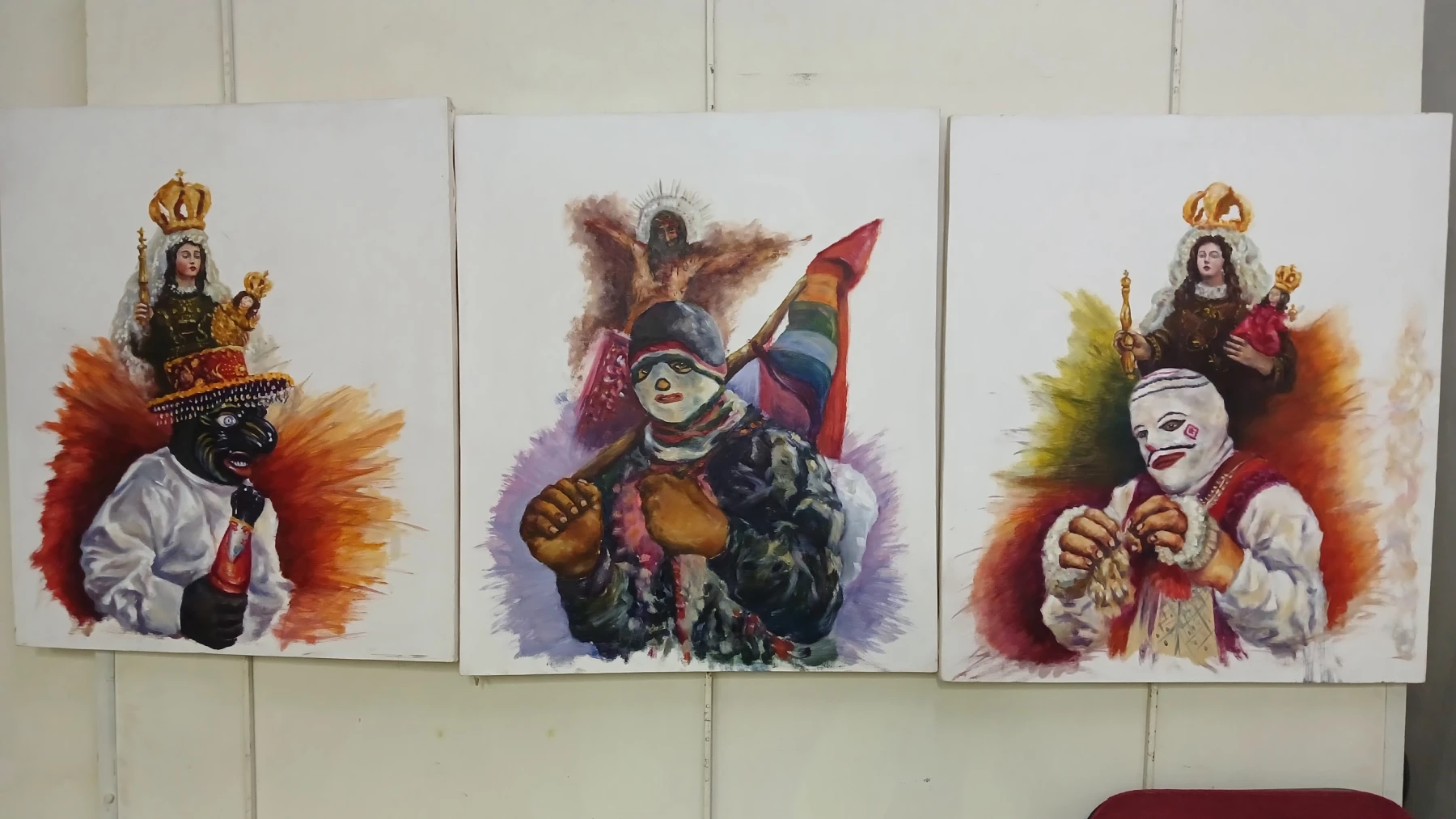
Cusco is a city where history lives in every corner. Beyond its temples, stone streets, and archaeological remains, it is home to some of the most important museums in the Andes. Each space offers a unique perspective on the cultural heritage that has shaped the region for thousands of years.
If you’re planning your trip, taking time to explore the museums of Cusco is one of the best ways to enrich your experience and connect with the living identity of this remarkable city.
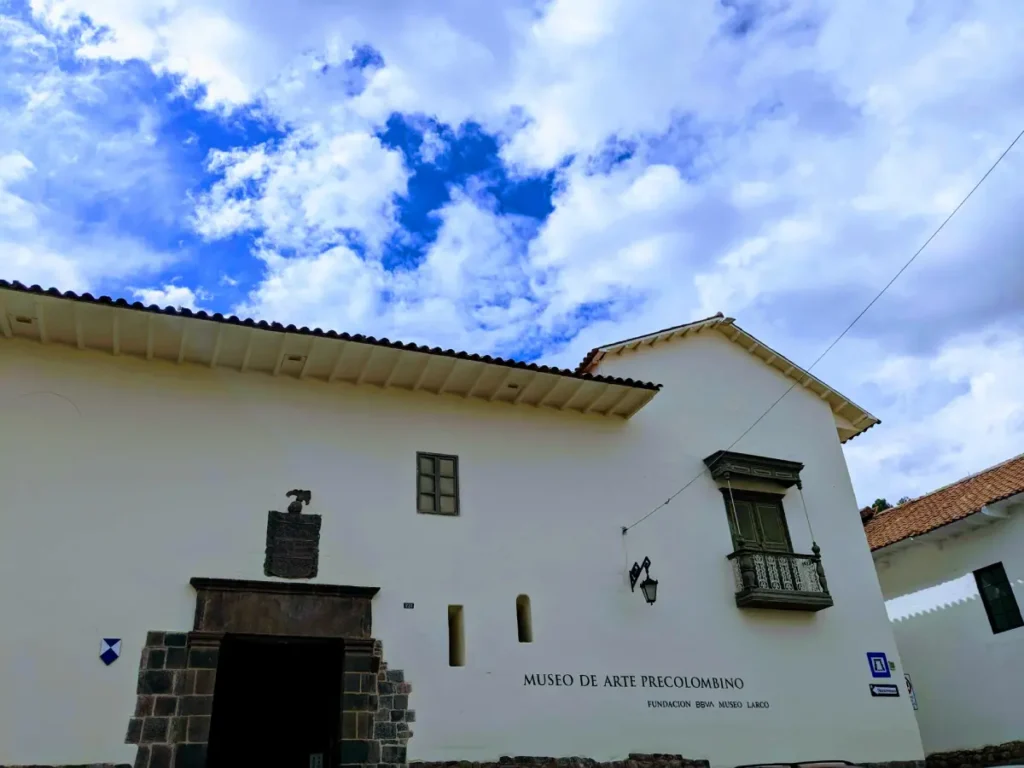
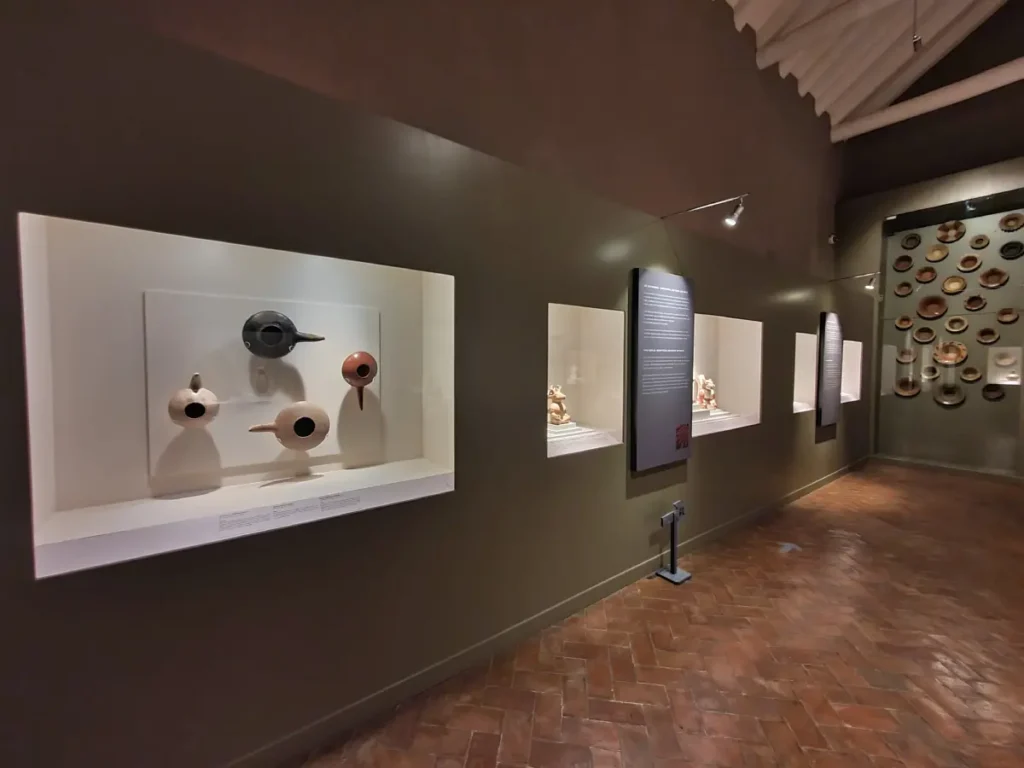
Pre-Columbian Art Museum: a journey into ancient civilizations
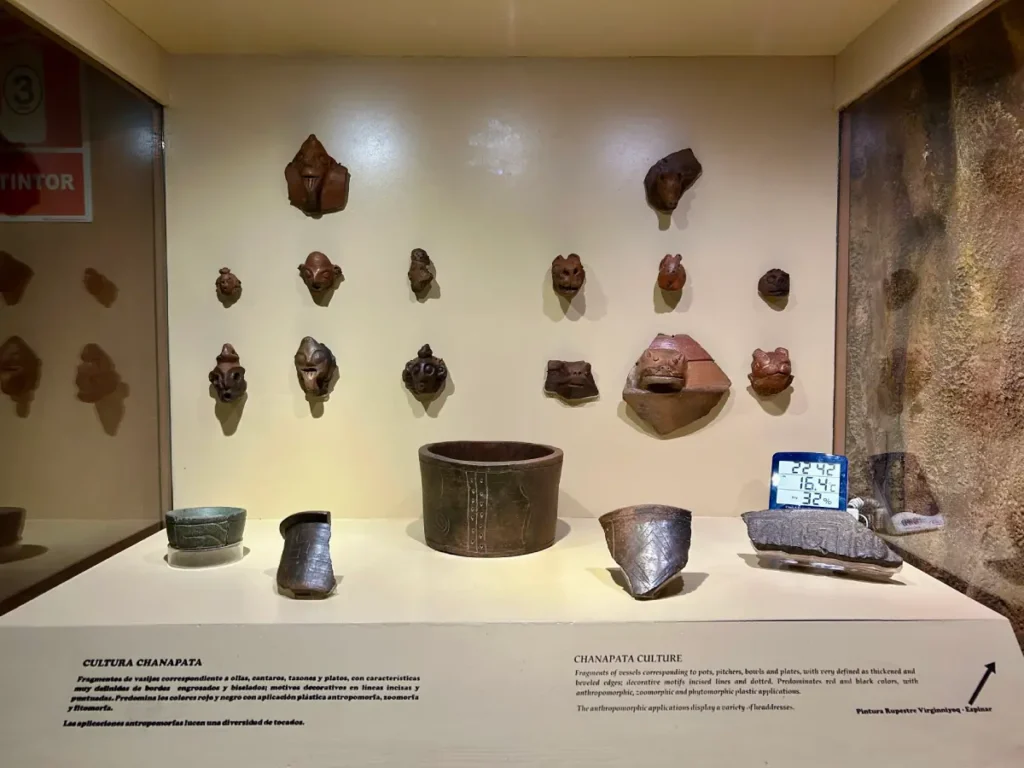
Located inside the elegant Casona Cabrera, the Pre-Columbian Art Museum is one of Cusco’s most iconic cultural spaces. Its collection brings together pieces from more than ten Andean cultures, including Nazca, Moche, Chimú, Huari, and the Inca. The galleries showcase ceramics, sculpture, ritual ornaments, precious metal jewelry, and ceremonial objects that reveal the sophistication of pre-Hispanic societies.
Each room is curated to tell a story from the symbolism behind pottery to the spiritual worldview of the Andes. It’s an ideal visit for travelers who want to understand the depth of the past before exploring the archaeological sites around the city.
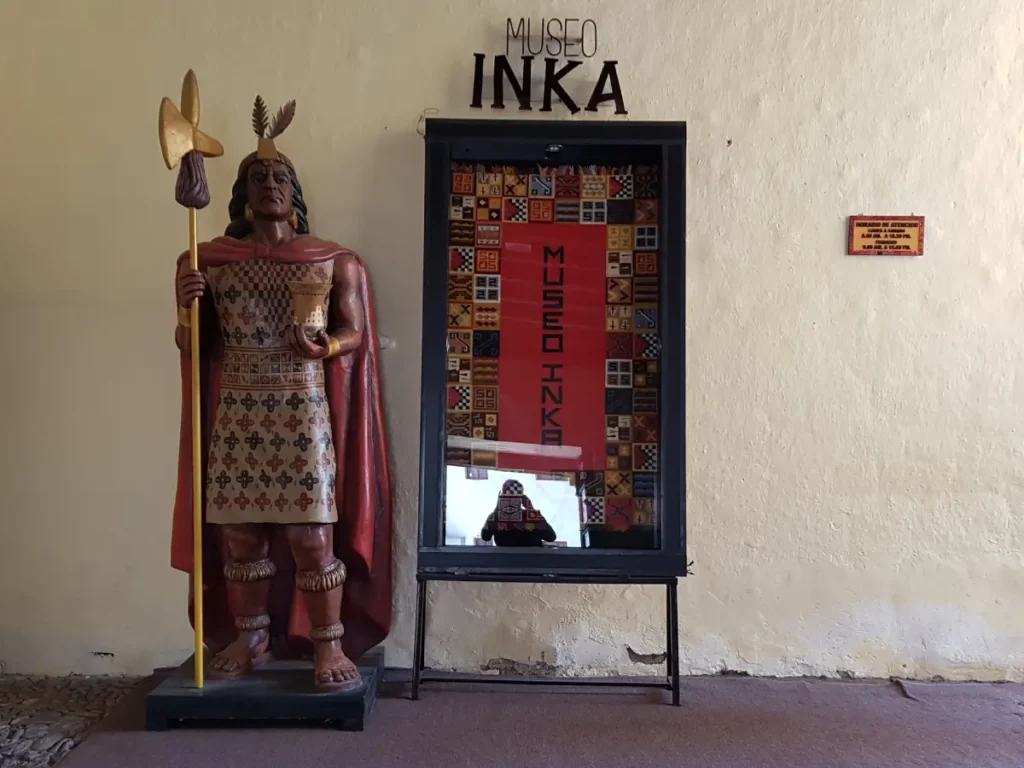
Inka Museum: the most complete interpretation of pre-Hispanic Cusco
Housed in an impressive colonial mansion near the Plaza de Armas, the Inka Museum offers a detailed look at the history of the most powerful empire in South America. Its collection includes finely woven textiles, decorative ceramics, agricultural tools, ritual objects, and everyday items.
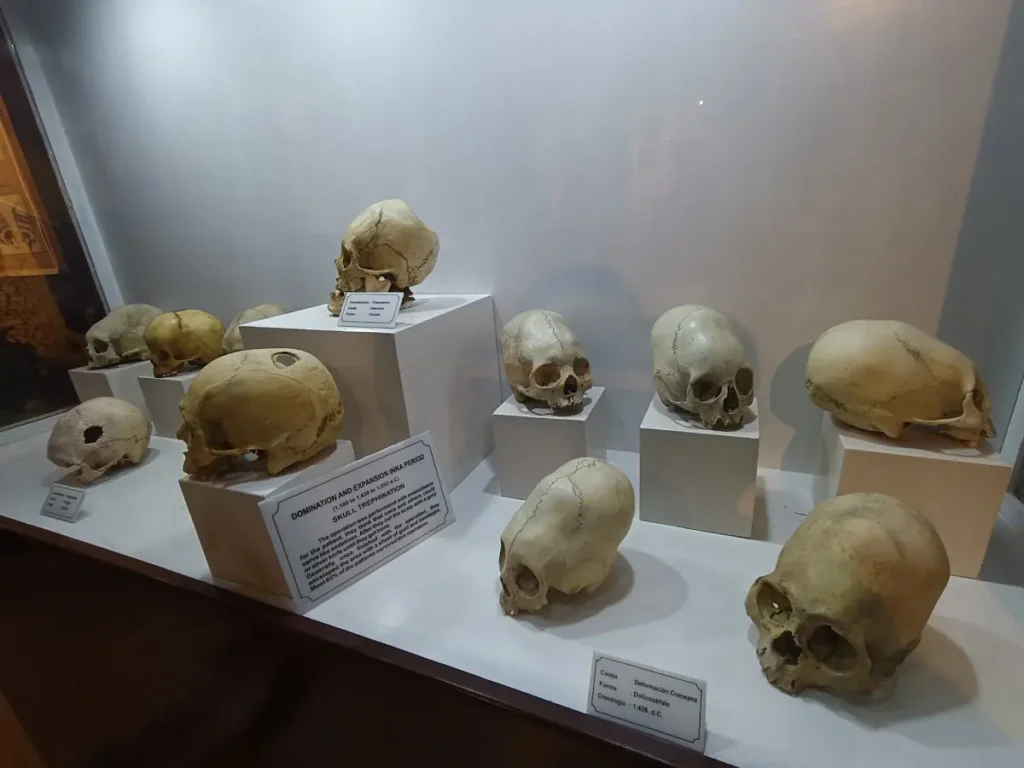
The museum is known for its excellent contextualization of Inca culture, with galleries devoted to political organization, social life, cosmology, and ceremonial practices. It also preserves mummies and archaeological remains that provide invaluable insight into life in the ancient Andes.
Many travelers recommend visiting this museum before or after exploring Sacsayhuamán and the surrounding temples, as it deepens the understanding of what you will later see in person.
Museum of Popular Art: the living expression of Andean creativity
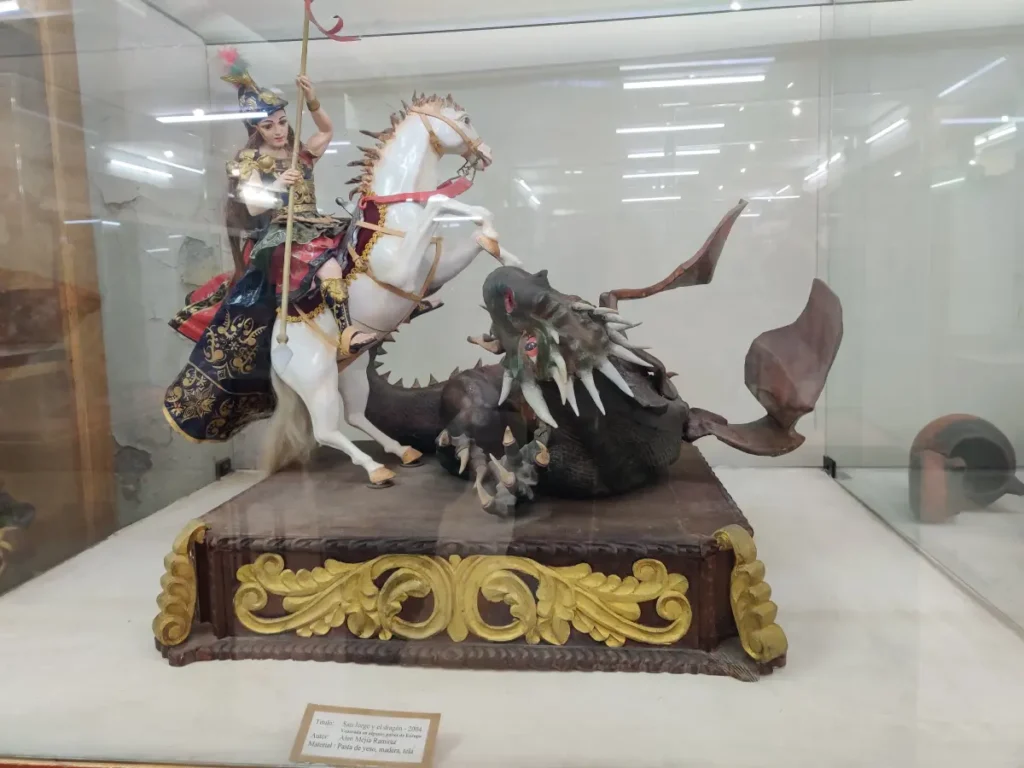
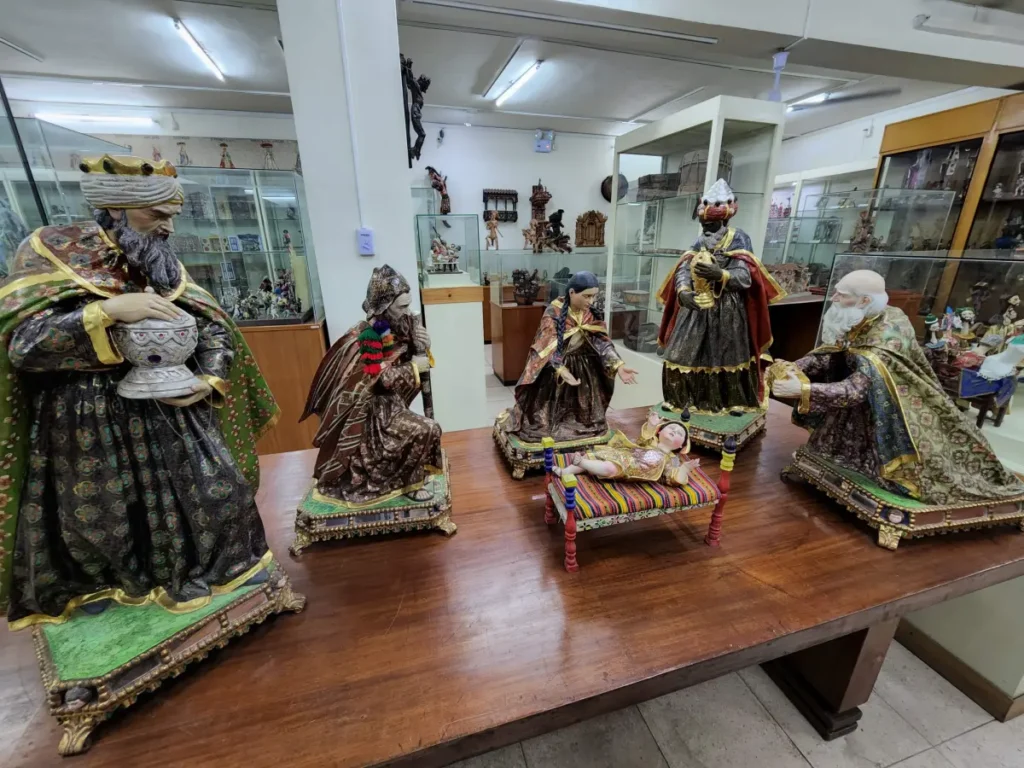
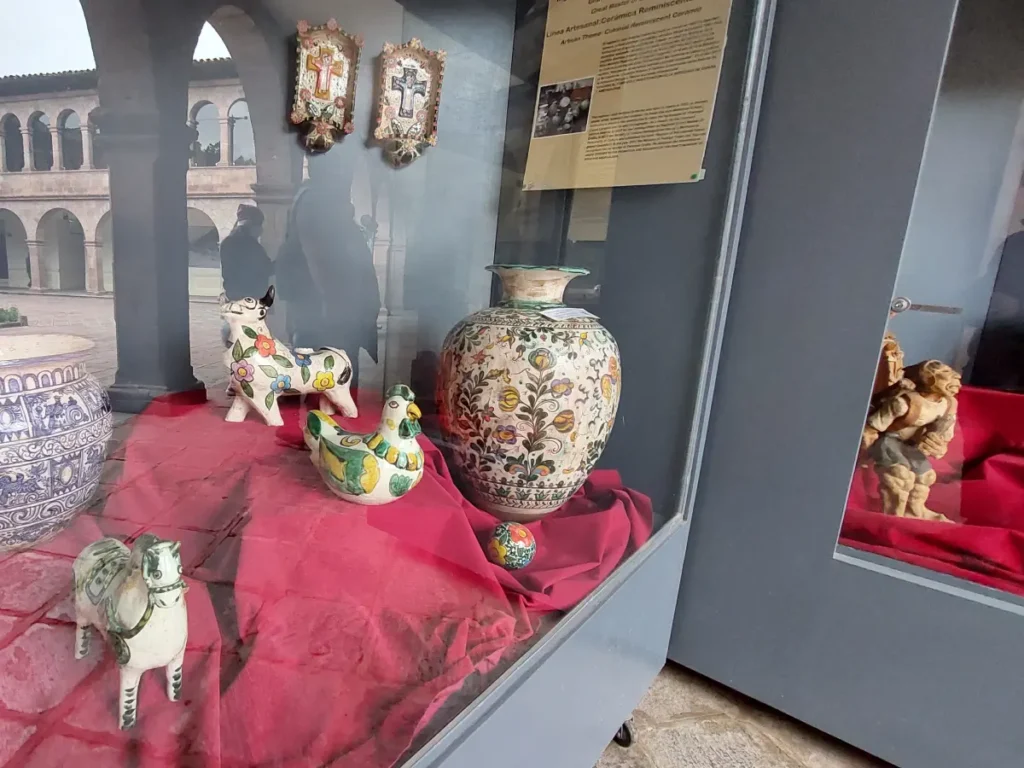
The Museum of Popular Art highlights the work of some of Cusco’s most important contemporary artisans. The collection includes wood carvings, ceramics, sculptures, festival masks, and traditional pieces crafted by renowned local masters.
This museum is deeply connected to everyday life in Cusco, especially through works displayed during traditional festivities and the famous Santurantikuy fair, where artisans from across the region gather each year. It’s a vibrant and colorful space, perfect for travelers seeking to experience Cusco’s artistic soul.
Regional Historical Museum: Cusco’s memory preserved in a colonial home
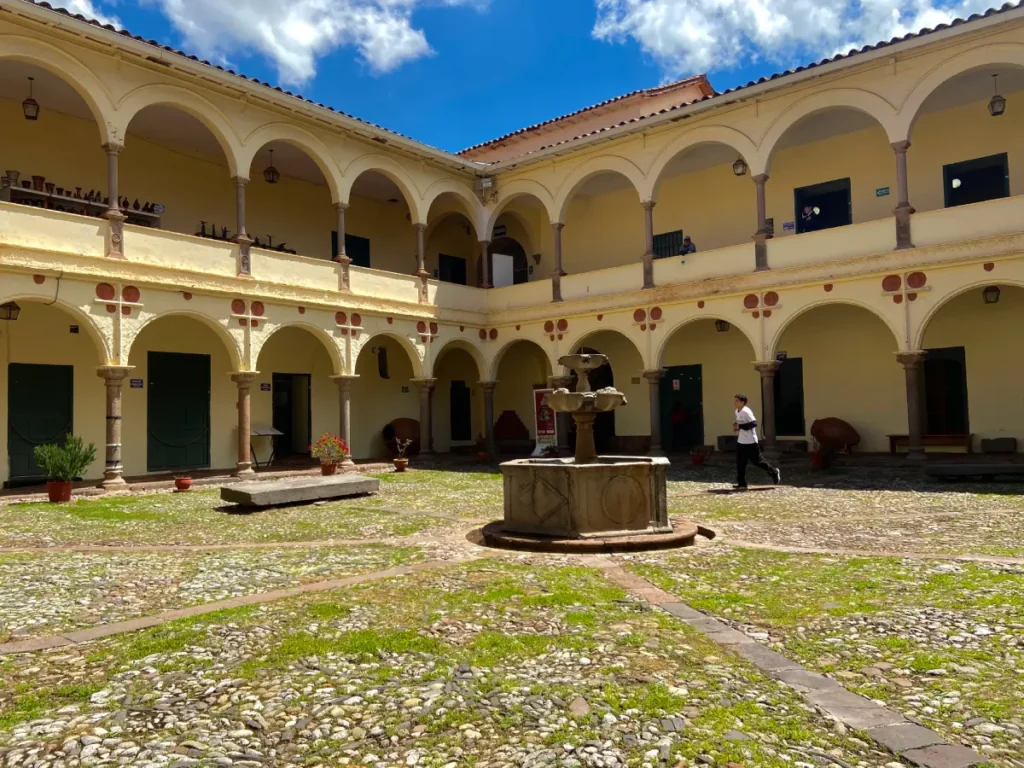
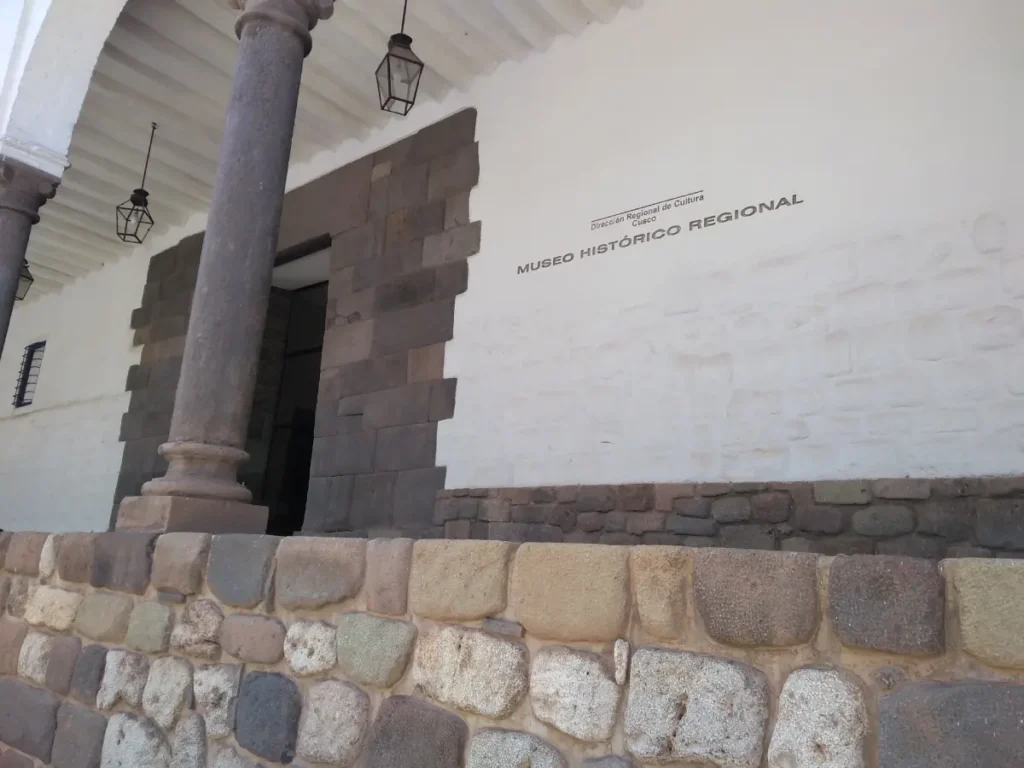
Located in the former residence of the chronicler Inca Garcilaso de la Vega, the Regional Historical Museum presents a panoramic view of Cusco’s history from pre-Inca times to the republican era. The galleries reveal the city’s artistic and social evolution through paintings, furniture, documents, musical instruments, and archaeological pieces.
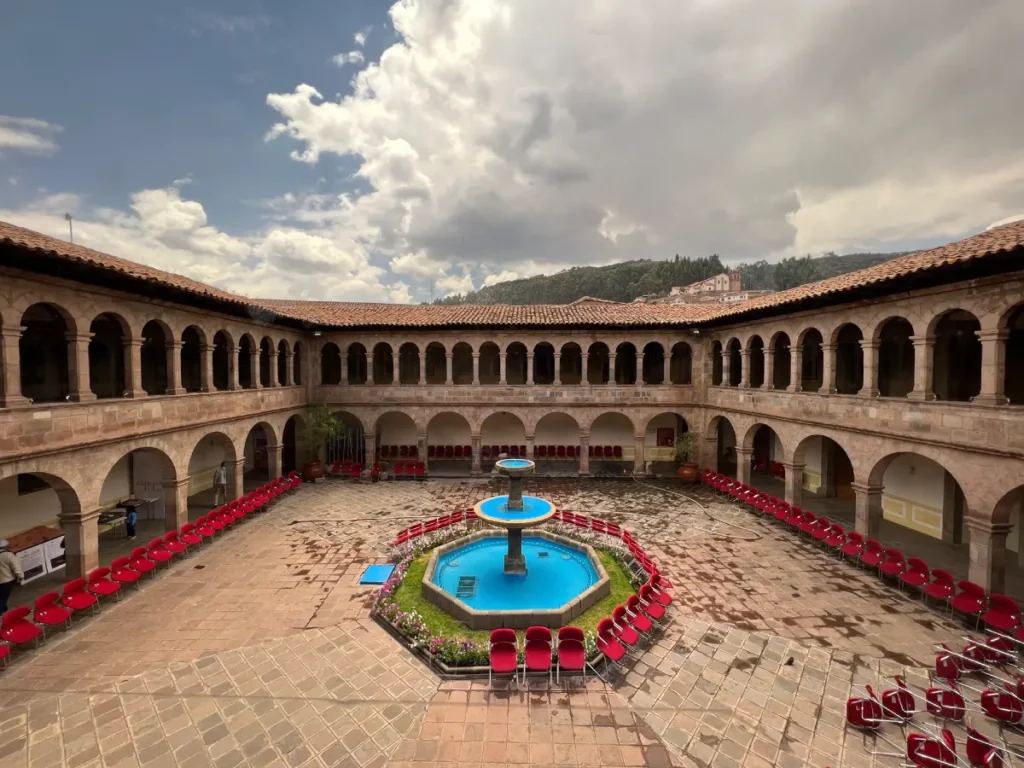
The building itself is part of the attraction. Its colonial architecture, interior patios, and preserved details allow visitors to imagine life during the viceroyalty.
Museum of Contemporary Art: the Cusco of today
For travelers interested in a modern perspective, the Museum of Contemporary Art is an essential stop. The collection includes more than two hundred works, from paintings and installations to sculpture and contemporary visual expressions.
Located inside the Municipal Palace, it features rotating exhibitions that reflect today’s Cusco its artistic sensibilities, its relationship with its past, and its reinterpretation of Andean identity.
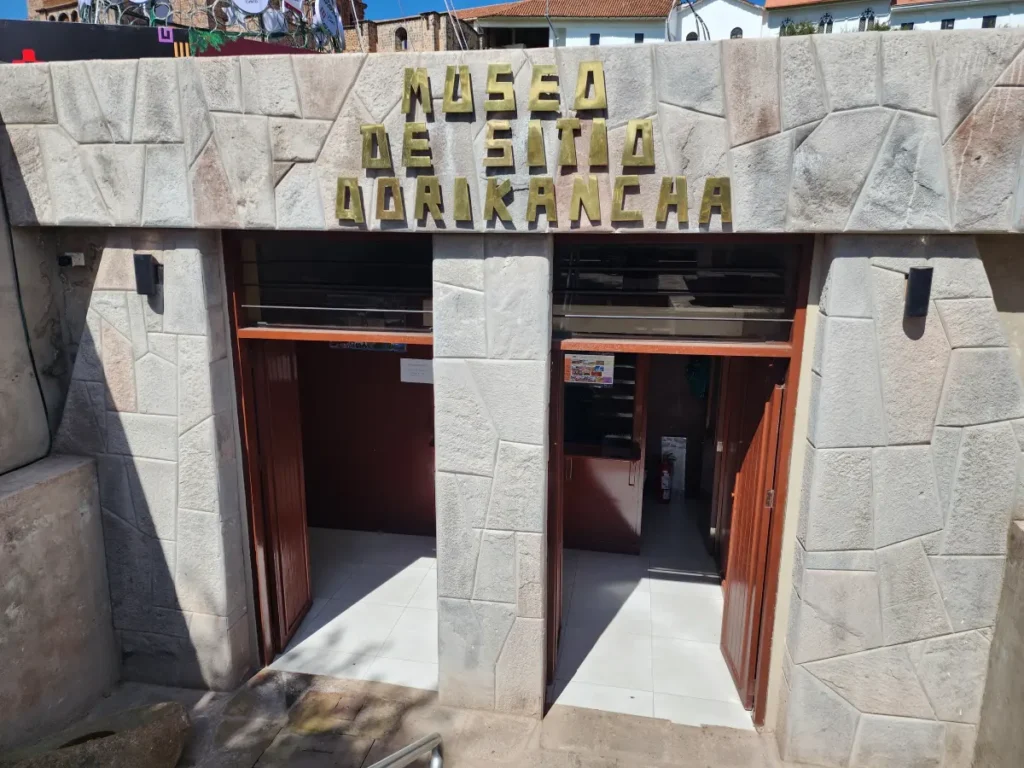
Qorikancha Site Museum: the religious and intellectual heart of Cusco
The Qorikancha Site Museum sits within the foundational complex where the great Temple of the Sun once stood. The visit connects the original Inca stonework with the colonial architecture of the Santo Domingo Convent, illustrating the historical layers that define the city. Exhibits explain the temple’s religious and astronomical functions, and visitors can observe in situ architectural remains with excellent museum interpretation.
Admission is often included in Cusco’s General Tourist Ticket, although it’s best to confirm schedules before visiting.
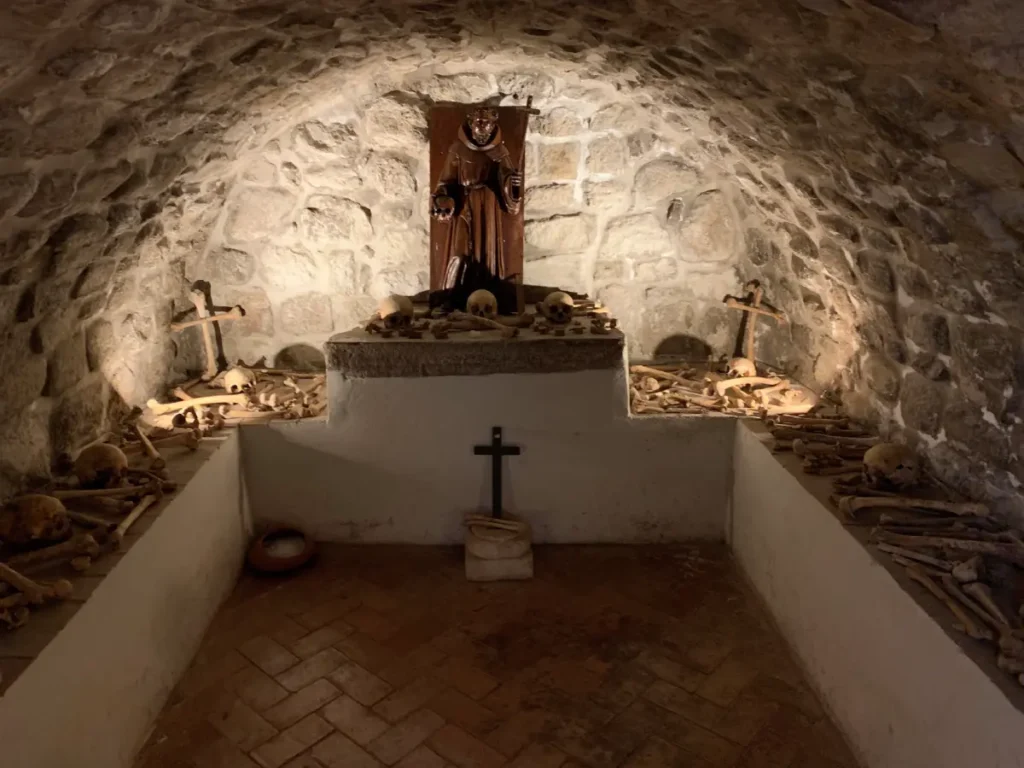
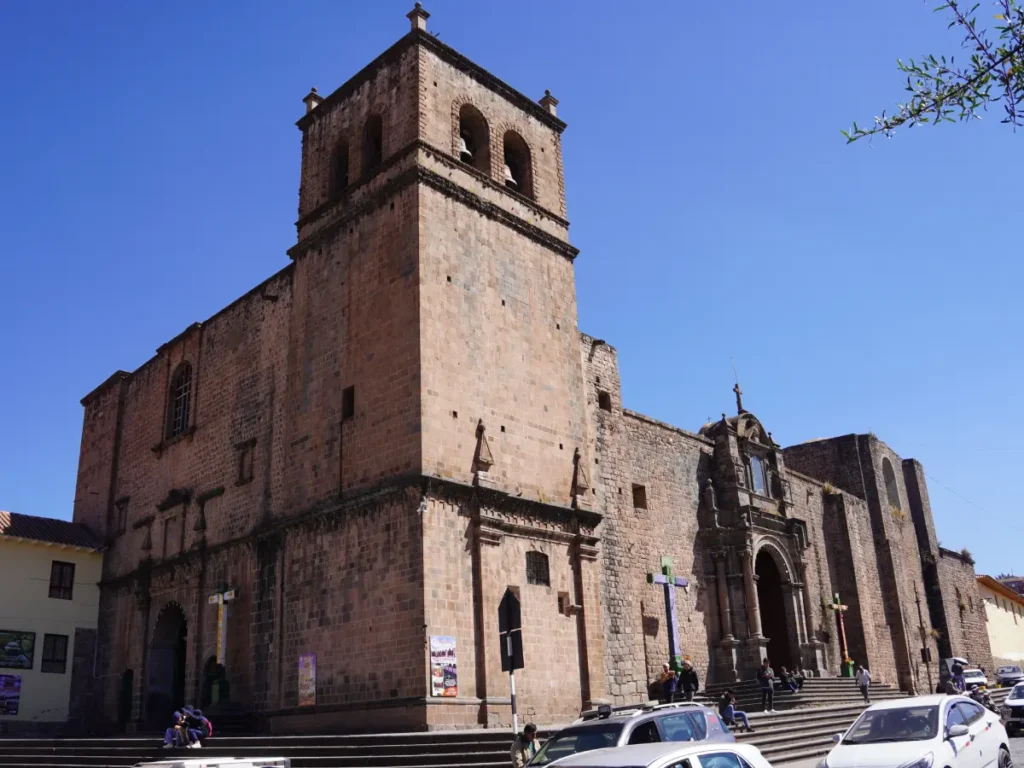
San Francisco Convent Museum and Catacombs: art, history, and underground passages
The San Francisco Convent offers a fascinating double experience: a museum with an extensive collection of religious paintings many from the Cusco School and a catacombs circuit beneath the convent. This underground section adds an unusual archaeological and ethnographic dimension to the historic center. Visitors can also see the ancient library and climb the bell tower for panoramic views of the city.
With extended daily opening hours, it’s easy to include this museum on a cultural tour of downtown Cusco.
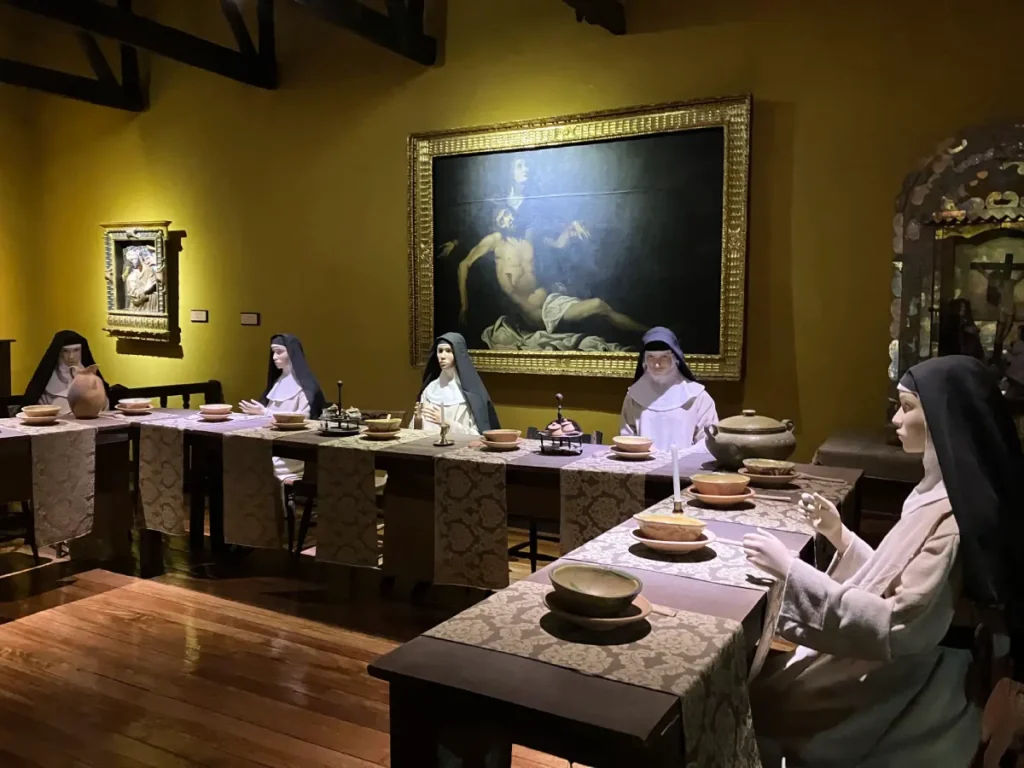
Santa Catalina Monastery Museum: monastic life and spiritual memory
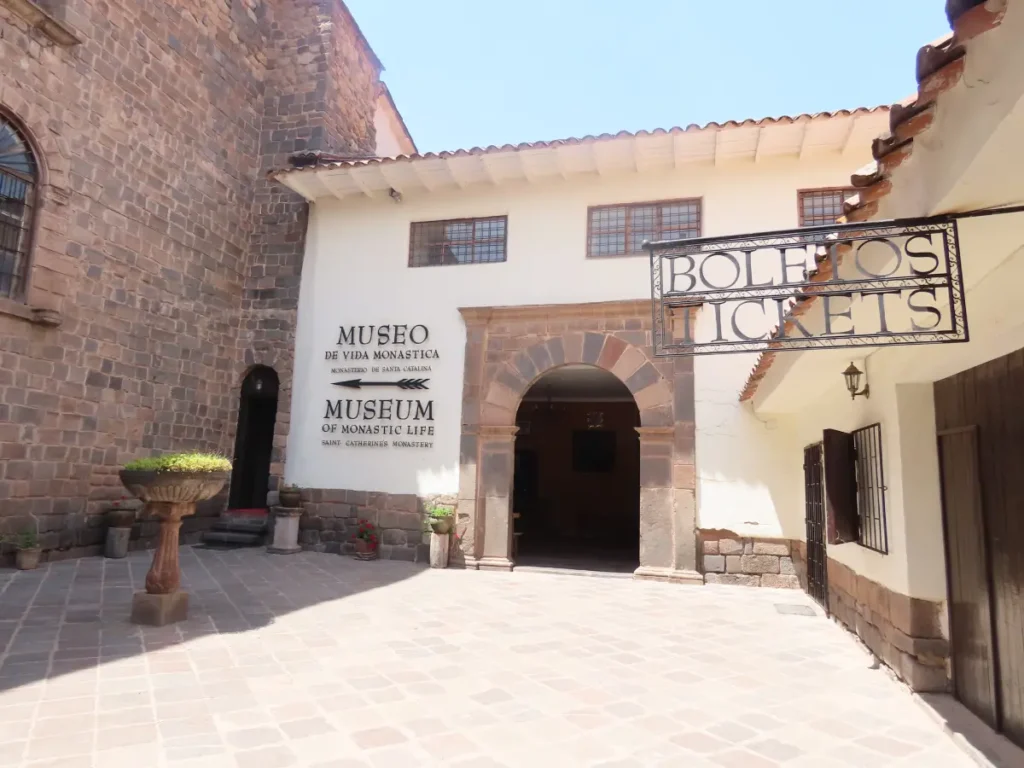
The Monastery Museum of Santa Catalina provides an intimate look at the history of convent life in Cusco. Located within the monastery itself, the visit includes cells, courtyards, liturgical objects, garments, and historical documents that reveal the daily routines and cultural networks surrounding the institution. It is particularly valuable for those interested in the social and spiritual history of colonial Cusco.
Coanqui Art Gallery Museum (Artemio Coanqui): contemporary art and local heritage
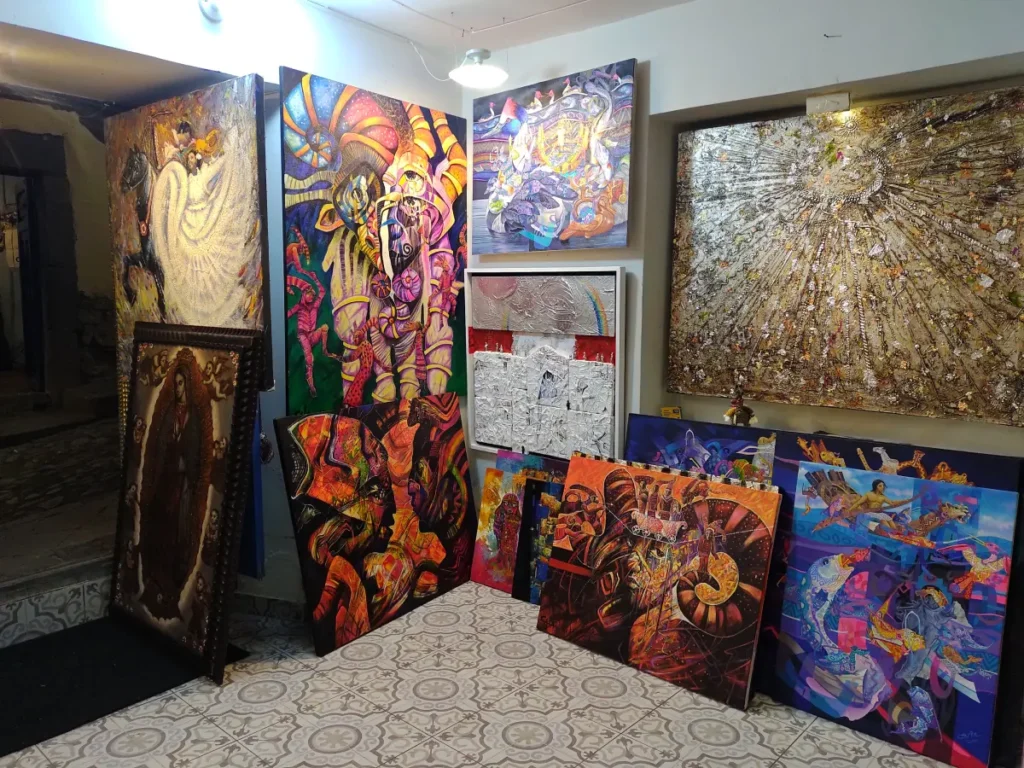
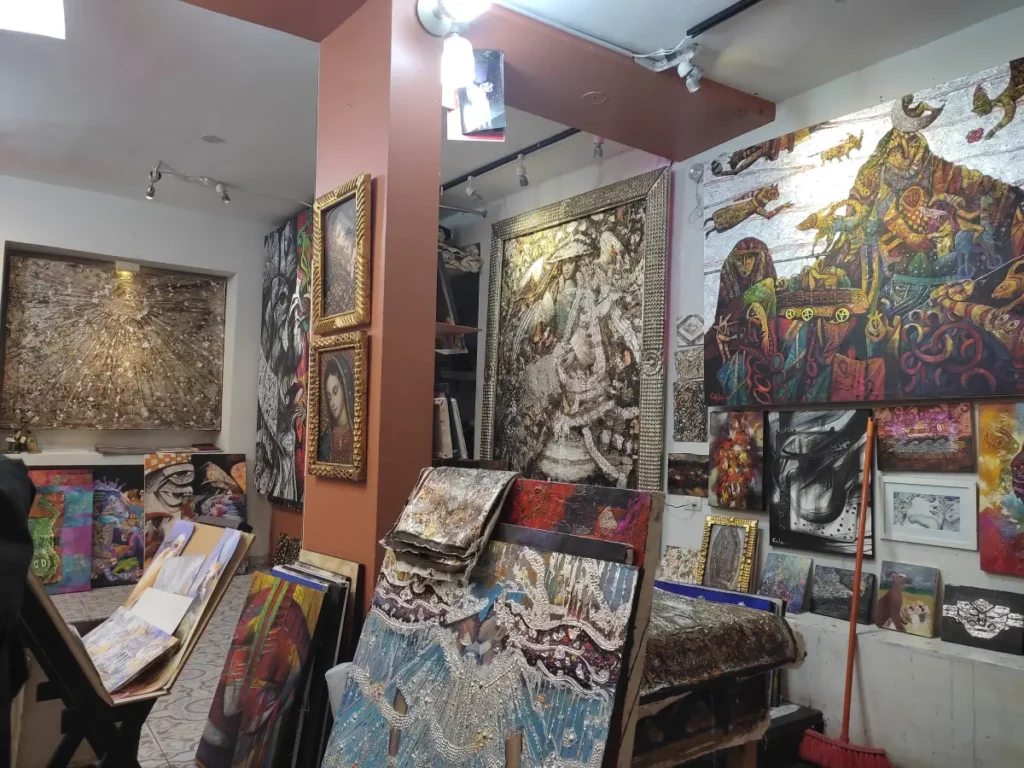
The Coanqui Gallery Museum features the work of master artist Artemio Coanqui along with contemporary pieces that engage with Cusco’s artistic traditions. The space functions both as a museum and an active gallery, with frequent exhibitions and cultural events. It is a meaningful stop for travelers looking to explore modern Cusqueñan creativity.
How to plan a cultural route through Cusco’s museums
Visiting the museums in the historic center is easy thanks to their close proximity. Most are located within walking distance of one another, allowing travelers to explore them comfortably in one or two days. Starting early in the morning helps avoid crowds and makes the experience more relaxed.
It’s important to check updated schedules, as some museums may adjust their hours during holidays or peak season. Many visitors combine museum visits with traditional neighborhoods, local cafés, and artisan workshops scattered throughout the historic center.
For those looking to save money, the Tourist Ticket often includes several of the museums mentioned above, making it a practical option for an extended cultural visit.
Conclusion: a deeper look into the soul of Cusco
Exploring Cusco’s museums is an invitation to discover the city beyond its iconic landscapes. Each gallery, artifact, and narrative provides a new layer of understanding of a culture that remains alive proud, resilient, and constantly evolving.
Visiting these cultural spaces will enrich everything you experience in the streets, temples, and archaeological sites. It’s one of the most meaningful ways to understand Cusco not just as a travel destination, but as a place where history, art, spirituality, and tradition coexist every day.